
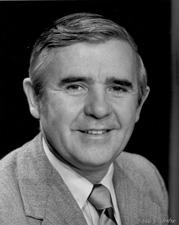
Historical · U.S. Senate · Nevada
Paul Laxalt
Former U.S. Senator from Nevada · 1974–1987 · Republican · Class 3
Paul Laxalt represented Nevada in the United States Senate (1974–1987) for the Republican party. The page below collects sourced biographical facts, term history, committee roles, and provenance for Laxalt.
Bioguide ID: L000148
Key facts
- Full name
- Paul Laxalt
- State
- Nevada
- Party
- Republican
- Senate class
- Class III
- Senate service
- 1974–1987
- First Senate term
- 1974
- Status
- Left office
- Current term ends
- —
- Born
- 1922
- Bioguide ID
- L000148
- Committee assignments
- —
- Dataset version
- 1.20260602
Biographical narrative
990 words · sourced from the Wikipedia REST extract
Paul D. Laxalt was a prominent American politician who served as a U.S. Senator from Nevada. A member of the Republican Party, Laxalt held office from 1974 until 1987, completing three terms in the Senate. His political career was marked by a commitment to conservative principles and a focus on issues pertinent to his constituents in Nevada. Laxalt's tenure in the Senate was characterized by his involvement in various legislative initiatives and his role in shaping policy during a transformative period in American politics.
Early life and career
Paul D. Laxalt was born on August 2, 1922. His early life laid the foundation for his future political career. Laxalt grew up in a family that valued hard work and community service, which influenced his later commitment to public service. He pursued higher education, which equipped him with the knowledge and skills necessary for a career in politics.
Before entering the Senate, Laxalt had a diverse career that included military service, business, and local politics. He served in the United States Navy during World War II, an experience that instilled in him a sense of duty and patriotism. After the war, he returned to Nevada, where he became involved in the family business and local community affairs. His engagement in these areas provided him with insights into the needs and concerns of Nevadans, which would later inform his legislative priorities.
Laxalt's political career began in earnest when he was elected as the Attorney General of Nevada. This position allowed him to gain valuable experience in legal and governmental matters, further preparing him for a future in the U.S. Senate. His work as Attorney General established his reputation as a dedicated public servant and a staunch advocate for the rule of law. Following his tenure in this role, Laxalt was elected as the Governor of Nevada, serving from 1967 to 1971. His governorship was marked by efforts to improve the state's infrastructure and education system, as well as initiatives aimed at economic development.
These experiences in state government set the stage for Laxalt's election to the U.S. Senate. In 1974, he successfully ran for the Senate seat, marking the beginning of a significant chapter in his political career.
Senate tenure
Paul D. Laxalt's Senate career began in 1974 when he was elected to represent Nevada in the United States Senate. He was part of the Senate Class 3 and served until January 3, 1987. Throughout his time in the Senate, Laxalt was known for his strong conservative stance on various issues, aligning with the broader Republican agenda of the time.
During his tenure, Laxalt was involved in numerous legislative initiatives that reflected his priorities and the interests of his constituents. He focused on issues such as economic development, tax reform, and national security. His work in the Senate was characterized by a commitment to promoting policies that he believed would benefit Nevada and the nation as a whole.
Laxalt's influence extended beyond his home state, as he was an active participant in national politics. He was known for his ability to build coalitions and work across party lines when necessary, although he remained a steadfast advocate for Republican principles. His relationships with fellow senators and political leaders allowed him to play a significant role in shaping legislation during a time of considerable change in American governance.
Throughout his Senate career, Laxalt faced various challenges, including shifts in the political landscape and changing public opinions. Despite these challenges, he maintained a focus on his core beliefs and continued to advocate for the interests of Nevadans. His ability to navigate the complexities of Senate politics contributed to his effectiveness as a legislator.
Laxalt's Senate career concluded in 1987 when he chose not to seek re-election. His departure marked the end of a significant period in Nevada's political history, during which he had established himself as a key figure in both state and national politics.
Legislative focus and committees
During his time in the U.S. Senate, Paul D. Laxalt served on several important committees that shaped his legislative focus and allowed him to influence a wide range of issues. His committee assignments provided him with the platform to advocate for policies that aligned with his values and the needs of his constituents.
Laxalt was particularly interested in matters related to economic development, and he worked on legislation aimed at fostering growth and opportunity in Nevada. His focus on economic issues was reflective of the state's unique challenges and opportunities, especially given its reliance on tourism and gaming industries. He sought to promote policies that would enhance Nevada's economic landscape and create jobs for its residents.
In addition to economic matters, Laxalt was involved in national security issues. He recognized the importance of a strong defense and was an advocate for military readiness and support for veterans. His commitment to national security was informed by his own military service, which underscored his understanding of the sacrifices made by service members and their families.
Laxalt's legislative efforts also included a focus on education and infrastructure. He believed that investing in education was crucial for the future of Nevada's youth and the state's overall prosperity. His work in this area included advocating for funding and policies that would improve educational opportunities for students across the state.
Throughout his Senate tenure, Laxalt's legislative focus was characterized by a commitment to conservative principles, fiscal responsibility, and a belief in the importance of limited government. He sought to balance the needs of his constituents with the broader goals of national governance, navigating the complexities of the legislative process to achieve his objectives.
In summary, Paul D. Laxalt's career as a U.S. Senator was marked by a dedication to public service, a commitment to conservative values, and a focus on the needs of Nevadans. His involvement in key legislative issues and his role on various committees allowed him to make a lasting impact on both state and national politics.
Notable legislation
Sponsored and co-sponsored legislation for Paul Laxalt is pending operator curation. The biographical narrative above carries the same provenance trail until per-bill rows are written.
Sources
- [1]https://en.wikipedia.org/wiki/Paul_LaxaltWikipedia · retrieved 2026-06-02
Notable quotes
Sourced quotes for Paul Laxalt are pending operator curation. Narrative-scope provenance remains attached below.
Sources
- [1]https://en.wikipedia.org/wiki/Paul_LaxaltWikipedia · retrieved 2026-06-02
Key positions
Curated policy positions for Paul Laxalt are pending operator review. The biographical narrative above carries the same provenance trail until per-topic positions are written.
Sources
- [1]https://en.wikipedia.org/wiki/Paul_LaxaltWikipedia · retrieved 2026-06-02
Terms served
- 1974–1975U.S. Senate · Term 1 · Republican · Class III
- 1975–1981U.S. Senate · Term 2 · Republican · Class III
- 1981–1987U.S. Senate · Term 3 · Republican · Class III
Sources & provenance
Every attributable claim above carries a per-section [N] marker that resolves to the corresponding URL below. Each entry records the upstream provider, the canonical URL, and the timestamp at which the source was retrieved by the ingest pipeline.
Key facts
- https://bioguide.congress.gov/search/bio/L000148bioguide · retrieved 2026-06-02
- https://www.govtrack.us/congress/members/406653govtrack · retrieved 2026-06-02
Biographical narrative
- https://en.wikipedia.org/wiki/Paul_Laxaltwikipedia · retrieved 2026-06-02
Find your senator
Every U.S. state elects two senators. Browse Nevada’s delegation, the full former-senator roster, or explore the role and term length.
Related on The Candidate
- Preceded by Alan BibleEarlier holder of the Nevada Class III Senate seat · Democratic.Open
- Succeeded by Harry ReidLater holder of the Nevada Class III Senate seat · Democratic.Open
- Berkeley BunkerFormer U.S. Senator from Nevada · DemocraticOpen
- Charles HendersonFormer U.S. Senator from Nevada · DemocraticOpen
- Dean HellerFormer U.S. Senator from Nevada · RepublicanOpen
- Republican PartyFederal candidates and office holders on the Republican line.Open