
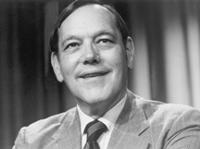
Historical · U.S. Senate · Ohio
Robert Taft Jr.
Former U.S. Senator from Ohio · 1971–1976 · Republican · Class 1
Robert Taft Jr. represented Ohio in the United States Senate (1971–1976) for the Republican party. The page below collects sourced biographical facts, term history, committee roles, and provenance for Jr..
Bioguide ID: T000010
Key facts
- Full name
- Robert Taft Jr.
- State
- Ohio
- Party
- Republican
- Senate class
- Class I
- Senate service
- 1971–1976
- First Senate term
- 1971
- Status
- Left office
- Current term ends
- —
- Born
- 1917
- Bioguide ID
- T000010
- Committee assignments
- —
- Dataset version
- 1.20260602
Biographical narrative
968 words · sourced from the Wikipedia REST extract
Robert Taft Jr. was a prominent American politician who served as a U.S. Senator from Ohio. A member of the Republican Party, he held office from 1971 until the conclusion of his term in December 1976. Taft's political career is marked by his commitment to public service and his involvement in various legislative initiatives during his time in the Senate.
Early life and career
Robert Taft Jr. was born on February 26, 1917. He grew up in a politically active family, which likely influenced his eventual career in public service. His father, Robert A. Taft, was a notable figure in American politics, having served as a U.S. Senator from Ohio and as a leading Republican voice in the mid-20th century. This familial background provided Taft Jr. with a unique perspective on the political landscape and the responsibilities that come with public office.
Before entering the Senate, Taft Jr. pursued a career in law and business. He earned a degree in law and practiced as an attorney, which equipped him with the skills necessary for a career in politics. His early professional experiences helped shape his understanding of legal and governmental processes, which would later inform his legislative work.
Taft Jr. began his political career by serving in various capacities within the Republican Party. His involvement at the local and state levels laid the groundwork for his eventual election to the U.S. Senate. He was known for his dedication to the party and his commitment to the principles of conservatism, which were central to his political ideology.
In 1970, Taft Jr. successfully ran for the U.S. Senate, marking the beginning of his tenure in this influential role. His election was part of a broader trend of Republican gains in the Senate during that period, as the party sought to expand its influence in the wake of the political changes of the 1960s.
Senate tenure
Robert Taft Jr. served as a U.S. Senator from Ohio from 1971 until December 28, 1976. During his time in the Senate, he was a member of the Republican Party and aligned himself with the party's conservative wing. His tenure coincided with a period of significant political and social change in the United States, including the aftermath of the Vietnam War and the Watergate scandal, which had profound effects on public trust in government.
Throughout his Senate career, Taft Jr. was involved in various legislative initiatives and discussions that addressed key issues of the day. His focus included economic policies, national defense, and social issues, reflecting the priorities of his constituents and the broader Republican agenda. He worked to advocate for policies that he believed would benefit Ohio and the nation, often emphasizing fiscal responsibility and limited government intervention.
Taft Jr.'s approach to governance was characterized by a commitment to traditional Republican values, including a strong national defense and support for free-market principles. He participated in debates and discussions that shaped important legislation during the 1970s, contributing to the development of policies that would have lasting impacts on American society.
Despite the challenges faced by the Republican Party during the 1970s, Taft Jr. maintained a focus on his legislative responsibilities. He sought to represent the interests of Ohioans and worked to build coalitions with other senators to advance his policy goals. His ability to navigate the complexities of Senate politics was a hallmark of his tenure, as he engaged with both allies and opponents in pursuit of effective governance.
Taft Jr.'s Senate career came to an end in December 1976, concluding a significant chapter in his political life. His departure from the Senate marked the end of an era for Ohio's Republican representation, as he had been a key figure in the party's efforts to maintain influence in the state.
Legislative focus and committees
During his time in the Senate, Robert Taft Jr. was involved in various legislative committees that allowed him to influence a wide range of policy areas. His committee assignments provided him with opportunities to engage deeply with issues that were critical to his constituents and the nation as a whole.
Taft Jr. focused on several key areas during his Senate tenure, including economic policy, national security, and social issues. He advocated for fiscal policies that promoted economic growth and stability, reflecting the Republican Party's emphasis on free-market principles. His work in this area was aimed at fostering a favorable environment for businesses and encouraging job creation.
In addition to economic issues, Taft Jr. was concerned with national defense and foreign policy. He recognized the importance of a strong military and supported policies that aimed to enhance the United States' global standing. His commitment to national security was evident in his participation in discussions related to defense spending and military readiness.
Social issues also played a significant role in Taft Jr.'s legislative focus. He engaged in debates surrounding civil rights, education, and healthcare, striving to balance the needs of his constituents with the broader goals of the Republican Party. His approach to these issues was often informed by his conservative values, which guided his decision-making process.
Throughout his Senate career, Taft Jr. worked collaboratively with colleagues from both parties, understanding the importance of building bipartisan support for legislative initiatives. His ability to navigate the complexities of Senate dynamics allowed him to contribute meaningfully to the legislative process, even in a time of political polarization.
In summary, Robert Taft Jr.'s tenure as a U.S. Senator from Ohio was marked by his commitment to conservative principles and his dedication to public service. His legislative focus encompassed a range of critical issues, and his work on various committees allowed him to influence policy in significant ways. Although his time in the Senate ended in 1976, his contributions to American politics and his representation of Ohioans remain a notable part of his legacy.
Notable legislation
Sponsored and co-sponsored legislation for Robert Taft Jr. is pending operator curation. The biographical narrative above carries the same provenance trail until per-bill rows are written.
Sources
- [1]https://en.wikipedia.org/wiki/Robert_Taft_Jr.Wikipedia · retrieved 2026-06-02
Notable quotes
Sourced quotes for Robert Taft Jr. are pending operator curation. Narrative-scope provenance remains attached below.
Sources
- [1]https://en.wikipedia.org/wiki/Robert_Taft_Jr.Wikipedia · retrieved 2026-06-02
Key positions
Curated policy positions for Robert Taft Jr. are pending operator review. The biographical narrative above carries the same provenance trail until per-topic positions are written.
Sources
- [1]https://en.wikipedia.org/wiki/Robert_Taft_Jr.Wikipedia · retrieved 2026-06-02
Terms served
- 1963–1965U.S. House · District 0 · Term 1 · Republican
- 1967–1969U.S. House · District 1 · Term 2 · Republican
- 1969–1971U.S. House · District 1 · Term 3 · Republican
- 1971–1976U.S. Senate · Term 4 · Republican · Class I
Sources & provenance
Every attributable claim above carries a per-section [N] marker that resolves to the corresponding URL below. Each entry records the upstream provider, the canonical URL, and the timestamp at which the source was retrieved by the ingest pipeline.
Key facts
- https://bioguide.congress.gov/search/bio/T000010bioguide · retrieved 2026-06-02
- https://www.govtrack.us/congress/members/410600govtrack · retrieved 2026-06-02
Biographical narrative
- https://en.wikipedia.org/wiki/Robert_Taft_Jr.wikipedia · retrieved 2026-06-02
Find your senator
Every U.S. state elects two senators. Browse Ohio’s delegation, the full former-senator roster, or explore the role and term length.
Related on The Candidate
- Preceded by Stephen YoungEarlier holder of the Ohio Class I Senate seat · Democratic.Open
- Succeeded by Mike DeWineLater holder of the Ohio Class I Senate seat · Republican.Open
- Alexander CampbellFormer U.S. Senator from Ohio · RepublicanOpen
- Allen ThurmanFormer U.S. Senator from Ohio · DemocraticOpen
- Alvin DonaheyFormer U.S. Senator from Ohio · DemocraticOpen
- Atlee PomereneFormer U.S. Senator from Ohio · DemocraticOpen