
Historical · U.S. Senate · Oregon
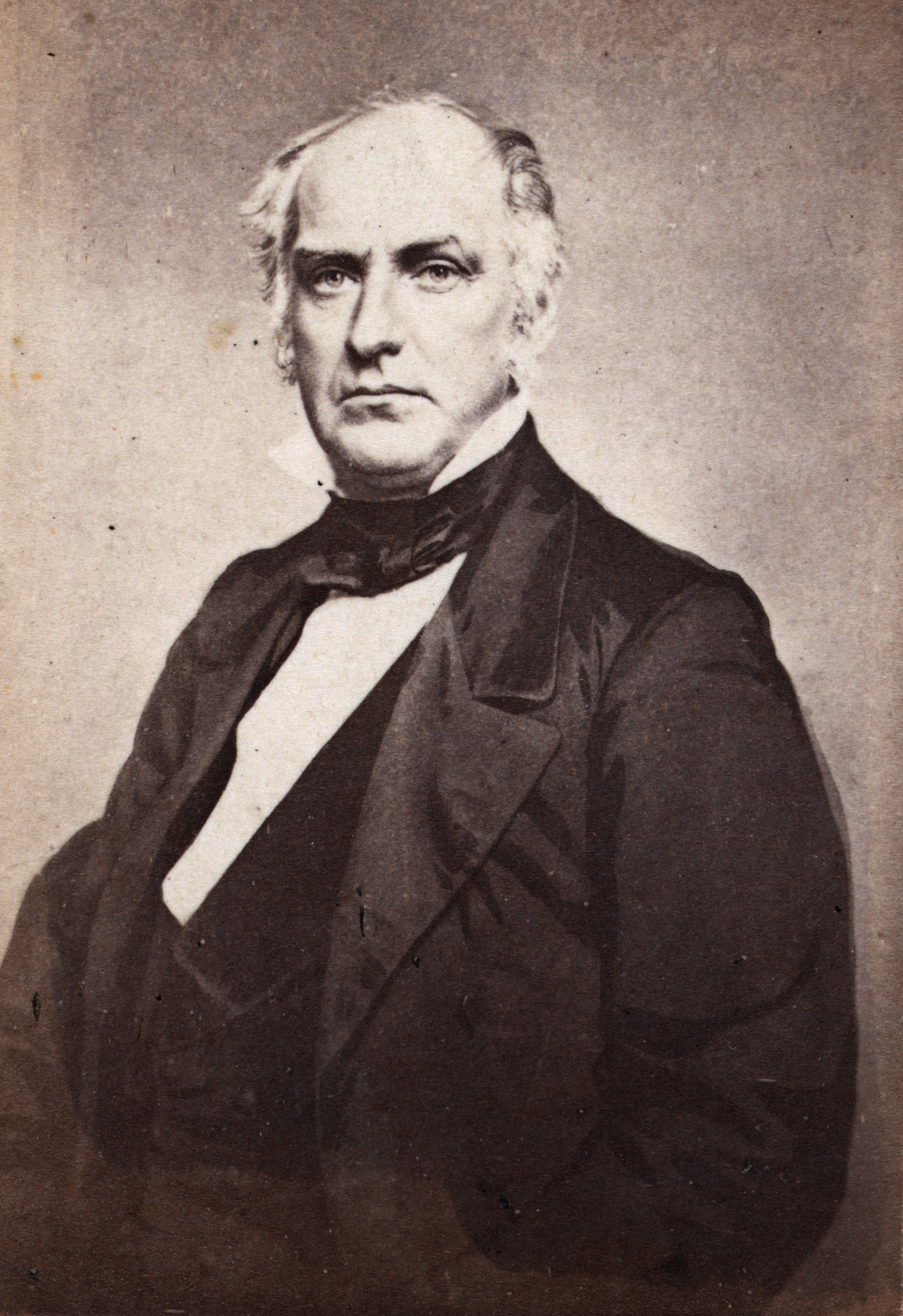
Edward Baker
Former U.S. Senator from Oregon · 1860–1861 · Republican · Class 2
Edward Baker represented Oregon in the United States Senate (1860–1861) for the Republican party. The page below collects sourced biographical facts, term history, committee roles, and provenance for Baker.
Bioguide ID: B000059
Key facts
- Full name
- Edward Baker
- State
- Oregon
- Party
- Republican
- Senate class
- Class II
- Senate service
- 1860–1861
- First Senate term
- 1860
- Status
- Left office
- Current term ends
- —
- Born
- 1811
- Bioguide ID
- B000059
- Committee assignments
- —
- Dataset version
- 1.20260602
Biographical narrative
951 words · sourced from the Wikipedia REST extract
Edward Baker was an American politician, lawyer, and military officer who served as a U.S. Senator from Oregon. A member of the Republican Party, Baker's political career included service in the U.S. House of Representatives from Illinois before he transitioned to the Senate. He was known for his oratory skills and had a close personal relationship with President Abraham Lincoln. Baker's life was marked by his military service during the Mexican-American War and the American Civil War, where he ultimately lost his life in battle, making him the only sitting U.S. senator to be killed in military engagement.
Early life and career
Edward Baker was born on February 24, 1811, in London, England, to Edward Baker, a school teacher, and Lucy Dickinson Baker. The family emigrated to the United States in 1816, settling in Philadelphia, Pennsylvania. Baker's father established a school in their new home, and young Edward attended this institution before leaving to apprentice as a loom operator in a weaving factory. In 1825, the Baker family relocated to New Harmony, Indiana, a community founded on communitarian ideals by Robert Owen. However, they left New Harmony in 1826, moving to Belleville in the Illinois Territory, where Baker and his father started a drayage business.
Baker's early career in law began in Carrollton, Illinois, where he was admitted to the bar in 1830. His political involvement started shortly after his marriage to Mary Ann Foss on April 27, 1831. The couple had five children together. Baker's affiliation with the Disciples of Christ led him to engage in part-time preaching, which showcased his public speaking abilities. His oratory skills gained him recognition and contributed to his political career.
In 1837, Baker was elected to the Illinois House of Representatives, marking the beginning of his formal political career. He later served in the Illinois Senate from 1840 to 1844. During this time, he developed a friendship with Abraham Lincoln, which would have lasting implications for both men. In 1844, Baker defeated Lincoln for the nomination for the 7th U.S. congressional seat and was subsequently elected as a Whig. Their friendship remained strong, and Lincoln named one of his sons Edward Baker Lincoln, reflecting the bond they shared.
Baker's military involvement began during the Black Hawk War, although he did not see combat. His leadership qualities became evident when, as a colonel in the local militia, he pursued mob leaders responsible for the murder of Joseph Smith, the founder of the Latter Day Saint movement. Baker's bold actions in this incident further established his reputation as a leader.
Baker served in the U.S. Congress from March 4, 1845, until his resignation in December 1846, which was set to take effect in January 1847. His resignation stemmed from a dispute regarding the legality of serving simultaneously in Congress and the military, as outlined in the U.S. Constitution's Incompatibility Clause. Following his resignation, Baker was commissioned as a colonel in the Fourth Regiment of the Illinois Volunteer Infantry during the Mexican-American War. He participated in significant battles, including the Battle of Cerro Gordo, where he led his brigade with distinction.
After the war, Baker returned to Springfield, Illinois, but chose not to run against Lincoln again for Congress. Instead, he moved to Galena, where he was elected to the 31st Congress, serving from March 4, 1849, to March 4, 1851. He did not seek renomination in 1850, opting instead to propose a recruitment plan for the Panama Railroad Company, which ultimately did not succeed due to his illness.
Senate tenure
Baker's political journey took a significant turn in 1860 when he relocated to Oregon. He was elected as a Republican to the United States Senate, filling a vacancy in the term that began on March 4, 1859. His Senate term was relatively brief, lasting until December 31, 1861, when he concluded his service. During his time in the Senate, Baker was a member of the Republican Party, which was emerging as a dominant political force in the United States during the pre-Civil War era. His tenure coincided with a period of significant national tension and conflict, as the nation was on the brink of the Civil War.
Baker's close relationship with President Lincoln continued to influence his political career. He was a supporter of Lincoln's policies and initiatives, particularly those aimed at preserving the Union. His commitment to the Union cause was evident as he transitioned from a political role to a military one during the Civil War.
Legislative focus and committees
While specific details regarding Baker's legislative focus and committee assignments during his Senate tenure are not extensively documented, it is known that he was a staunch supporter of the Union and its efforts during the Civil War. His background as a military officer and his previous experiences in Congress likely informed his perspectives on issues related to national defense and military affairs.
Baker's commitment to the Union was further demonstrated through his military service during the Civil War. He was commissioned as a colonel in the Union Army and led a regiment into battle. Tragically, Baker was killed in the Battle of Ball's Bluff on October 21, 1861, while leading his troops. His death marked a significant moment in American history, as he became the only sitting U.S. senator to die in military engagement.
Baker's legacy is intertwined with his contributions as a politician, military officer, and orator. His life and career reflect the complexities of a nation grappling with division and conflict during a pivotal era in American history. His close ties to President Lincoln and his commitment to the Union cause remain notable aspects of his biography, underscoring the impact he had on the political landscape of his time.
Notable legislation
Sponsored and co-sponsored legislation for Edward Baker is pending operator curation. The biographical narrative above carries the same provenance trail until per-bill rows are written.
Sources
- [1]https://en.wikipedia.org/wiki/Edward_D._BakerWikipedia · retrieved 2026-06-02
Notable quotes
Sourced quotes for Edward Baker are pending operator curation. Narrative-scope provenance remains attached below.
Sources
- [1]https://en.wikipedia.org/wiki/Edward_D._BakerWikipedia · retrieved 2026-06-02
Key positions
Curated policy positions for Edward Baker are pending operator review. The biographical narrative above carries the same provenance trail until per-topic positions are written.
Sources
- [1]https://en.wikipedia.org/wiki/Edward_D._BakerWikipedia · retrieved 2026-06-02
Terms served
- 1845–1847U.S. House · District 7 · Term 1 · Whig
- 1849–1851U.S. House · District 6 · Term 2 · Whig
- 1860–1861U.S. Senate · Term 3 · Republican · Class II
Sources & provenance
Every attributable claim above carries a per-section [N] marker that resolves to the corresponding URL below. Each entry records the upstream provider, the canonical URL, and the timestamp at which the source was retrieved by the ingest pipeline.
Key facts
- https://bioguide.congress.gov/search/bio/B000059bioguide · retrieved 2026-06-02
- https://www.govtrack.us/congress/members/401064govtrack · retrieved 2026-06-02
Biographical narrative
- https://en.wikipedia.org/wiki/Edward_D._Bakerwikipedia · retrieved 2026-06-02
Find your senator
Every U.S. state elects two senators. Browse Oregon’s delegation, the full former-senator roster, or explore the role and term length.
Related on The Candidate
- Preceded by Delazon SmithEarlier holder of the Oregon Class II Senate seat · Democratic.Open
- Succeeded by Benjamin StarkLater holder of the Oregon Class II Senate seat · Democratic.Open
- Alexander BarryFormer U.S. Senator from Oregon · RepublicanOpen
- Alfred ReamesFormer U.S. Senator from Oregon · DemocraticOpen
- Benjamin HardingFormer U.S. Senator from Oregon · DemocraticOpen
- Republican PartyFederal candidates and office holders on the Republican line.Open