
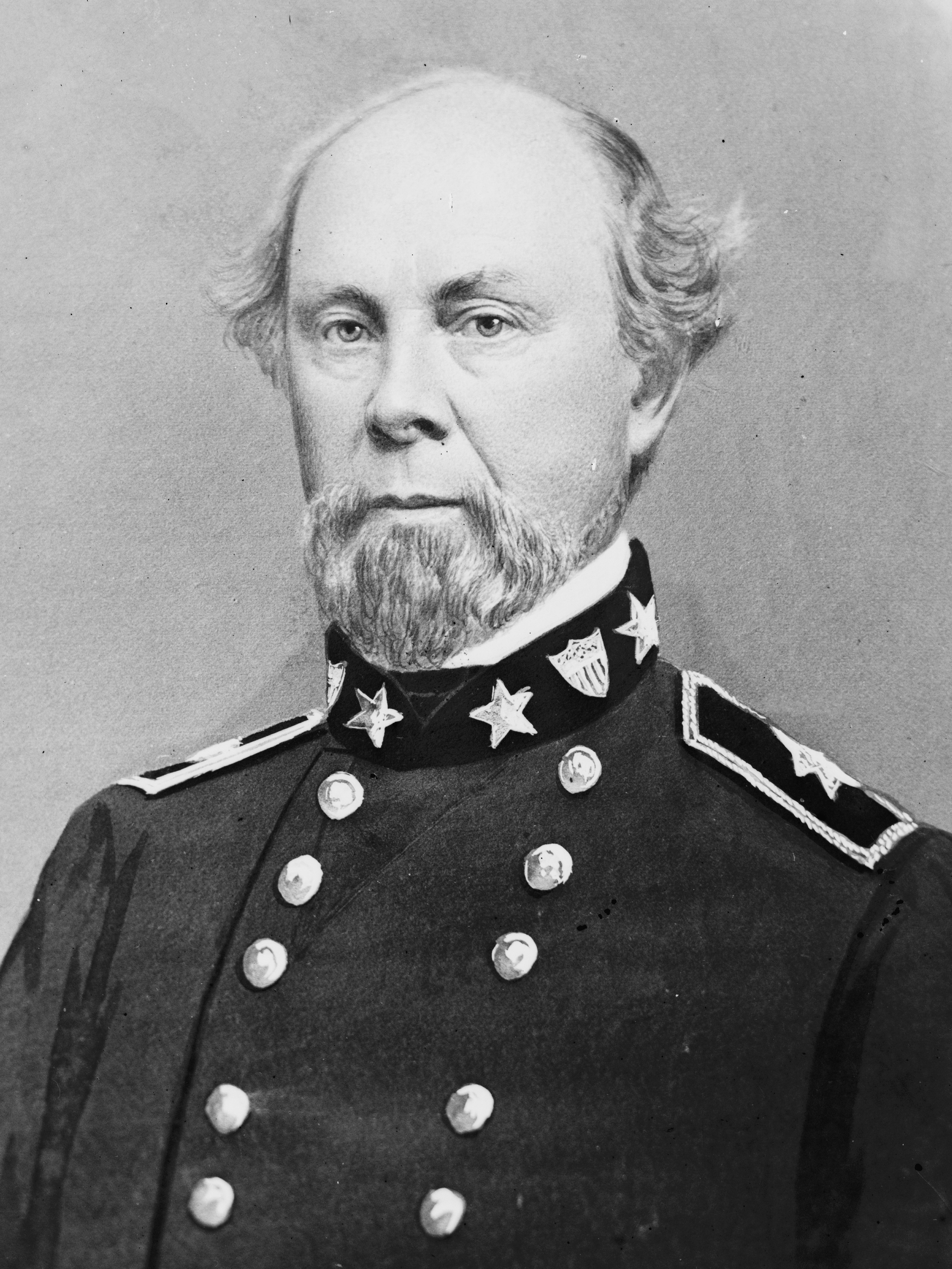
Historical · U.S. Senate · South Carolina
Robert Rhett
Former U.S. Senator from South Carolina · 1850–1853 · Democratic · Class 2
Robert Rhett represented South Carolina in the United States Senate (1850–1853) for the Democratic party. The page below collects sourced biographical facts, term history, committee roles, and provenance for Rhett.
Bioguide ID: R000184
Key facts
- Full name
- Robert Rhett
- State
- South Carolina
- Party
- Democratic
- Senate class
- Class II
- Senate service
- 1850–1853
- First Senate term
- 1850
- Status
- Left office
- Current term ends
- —
- Born
- 1800
- Bioguide ID
- R000184
- Committee assignments
- —
- Dataset version
- 1.20260602
Biographical narrative
890 words · sourced from the Wikipedia REST extract
Robert Rhett was a prominent American politician from South Carolina who served as a U.S. Senator from 1850 to 1852 and as a member of the U.S. House of Representatives from 1837 to 1849. A member of the Democratic Party, Rhett was known for his staunch pro-slavery views and was a significant advocate for secession, earning him the nickname "father of secession." His political career was marked by his involvement in various movements advocating for the interests of slaveholders, and he played a notable role in the events leading up to the American Civil War. After the war, he continued to express his views through his newspaper, the Charleston Mercury, and remained a controversial figure until his death in 1876.
Early life and career
Robert Barnwell Rhett was born on December 21, 1800, in Beaufort, South Carolina. He was of English descent and had familial connections to notable political figures, including his great-uncle, U.S. Representative Robert Barnwell, and Senator Robert Woodward Barnwell, who was his cousin. Rhett pursued a legal education and became a practicing attorney, which laid the groundwork for his future political career.
Rhett's political involvement began in the South Carolina legislature, where he served from 1826 until 1832. His tenure was characterized by a strong pro-slavery stance, which would define much of his political ideology. Following his time in the state legislature, he was appointed South Carolina's Attorney General, a position he held from 1832 until 1837. In 1837, he transitioned to national politics by being elected to the U.S. House of Representatives, where he served until 1849. During this period, he changed his last name from Smith to Rhett, adopting the name of a prominent colonial ancestor, Colonel William Rhett.
Rhett was vocal in his opposition to the Tariff of 1842, which he believed unfairly benefited the northern states at the expense of the South. His political activities during this time were closely aligned with the interests of Southern slaveholders, and he became increasingly involved in the discourse surrounding states' rights and secession.
Senate tenure
In December 1850, Rhett was elected by the South Carolina Legislature to fill the U.S. Senate seat left vacant by the death of Senator John C. Calhoun. His Senate term began amid significant national tension over issues related to slavery and states' rights. Rhett's tenure in the Senate was marked by his continued advocacy for secession and his opposition to the Compromise of 1850, which he viewed as detrimental to the interests of the Southern states.
Rhett was a prominent figure among the "Fire-Eaters," a faction of Southern politicians who were fervently pro-slavery and advocated for secession from the Union. He participated in the Nashville Convention of 1850, which aimed to unify Southern states in their opposition to perceived Northern aggression. However, the convention did not endorse his call for secession, leading to the formation of the Southern National Party by Rhett and a few like-minded individuals shortly thereafter.
Despite his efforts, South Carolina did not declare secession during his Senate term. Frustrated by the lack of progress towards his goals, Rhett resigned from the Senate in 1852, shortly before the end of his term. He was succeeded by William F. De Saussure. Following his resignation, Rhett continued to advocate for secession through his writings, particularly in the Charleston Mercury, a newspaper that he had a significant influence over.
Legislative focus and committees
Throughout his political career, Rhett's legislative focus was heavily centered on issues related to slavery and states' rights. His views were emblematic of the broader Southern political landscape during the antebellum period, where the preservation of slavery was seen as essential to the economic and social order of the South. Rhett's opposition to the Compromise of 1850 was rooted in his belief that it undermined the rights of slaveholders and threatened the institution of slavery itself.
Rhett's involvement in the political discourse of his time extended beyond his Senate tenure. He was a key figure in the events leading up to the Civil War, particularly in the context of the South's response to the election of Abraham Lincoln in 1860. Rhett was elected to the South Carolina Secession Convention, which declared the state's secession from the Union in December 1860. He was subsequently chosen as a deputy to the Provisional Congress of the Confederate States, where he continued to champion the cause of slavery and was an active participant in shaping the Confederate Constitution.
During the Civil War, Rhett was critical of Confederate President Jefferson Davis's policies, reflecting his ongoing commitment to the principles he had long advocated. After the war, he returned to South Carolina and resumed his role as a public commentator through the Charleston Mercury, where he continued to express his views on the post-war landscape and the legacy of the Confederacy.
Rhett's life and career were marked by a deep commitment to the principles of slavery and secession, which defined his political identity. His legacy is complex, reflecting the contentious and often divisive nature of American politics during the 19th century. He passed away on September 14, 1876, in St. James Parish, Louisiana, and is interred at Magnolia Cemetery in Charleston, South Carolina. The Robert Barnwell Rhett House in Charleston was designated a National Historic Landmark in 1973, serving as a reminder of his significant, albeit controversial, role in American history.
Notable legislation
Sponsored and co-sponsored legislation for Robert Rhett is pending operator curation. The biographical narrative above carries the same provenance trail until per-bill rows are written.
Sources
- [1]https://en.wikipedia.org/wiki/Robert_Barnwell_RhettWikipedia · retrieved 2026-06-02
Notable quotes
Sourced quotes for Robert Rhett are pending operator curation. Narrative-scope provenance remains attached below.
Sources
- [1]https://en.wikipedia.org/wiki/Robert_Barnwell_RhettWikipedia · retrieved 2026-06-02
Key positions
Curated policy positions for Robert Rhett are pending operator review. The biographical narrative above carries the same provenance trail until per-topic positions are written.
Sources
- [1]https://en.wikipedia.org/wiki/Robert_Barnwell_RhettWikipedia · retrieved 2026-06-02
Terms served
- 1837–1839U.S. House · District 2 · Term 1 · Nullifier
- 1839–1841U.S. House · District 2 · Term 2 · Democratic
- 1841–1843U.S. House · District 2 · Term 3 · Democratic
- 1843–1845U.S. House · District 7 · Term 4 · Democratic
- 1845–1847U.S. House · District 7 · Term 5 · Democratic
- 1847–1849U.S. House · District 7 · Term 6 · Democratic
- 1850–1853U.S. Senate · Term 7 · Democratic · Class II
Sources & provenance
Every attributable claim above carries a per-section [N] marker that resolves to the corresponding URL below. Each entry records the upstream provider, the canonical URL, and the timestamp at which the source was retrieved by the ingest pipeline.
Key facts
- https://bioguide.congress.gov/search/bio/R000184bioguide · retrieved 2026-06-02
- https://www.govtrack.us/congress/members/409160govtrack · retrieved 2026-06-02
Biographical narrative
- https://en.wikipedia.org/wiki/Robert_Barnwell_Rhettwikipedia · retrieved 2026-06-02
Find your senator
Every U.S. state elects two senators. Browse South Carolina’s delegation, the full former-senator roster, or explore the role and term length.
Related on The Candidate
- Preceded by Daniel HugerEarlier holder of the South Carolina Class II Senate seat · Democratic.Open
- Succeeded by Josiah EvansLater holder of the South Carolina Class II Senate seat · Democratic.Open
- Alva LumpkinFormer U.S. Senator from South Carolina · DemocraticOpen
- Andrew ButlerFormer U.S. Senator from South Carolina · DemocraticOpen
- Arthur HayneFormer U.S. Senator from South Carolina · DemocraticOpen
- Asbury LatimerFormer U.S. Senator from South Carolina · DemocraticOpen