
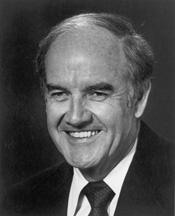
Historical · U.S. Senate · South Dakota
George McGovern
Former U.S. Senator from South Dakota · 1963–1981 · Democratic · Class 3
George McGovern represented South Dakota in the United States Senate (1963–1981) for the Democratic party. The page below collects sourced biographical facts, term history, committee roles, and provenance for McGovern.
Bioguide ID: M000452
Key facts
- Full name
- George McGovern
- State
- South Dakota
- Party
- Democratic
- Senate class
- Class III
- Senate service
- 1963–1981
- First Senate term
- 1963
- Status
- Left office
- Current term ends
- —
- Born
- 1922
- Bioguide ID
- M000452
- Committee assignments
- —
- Dataset version
- 1.20260602
Biographical narrative
886 words · sourced from the Wikipedia REST extract
George McGovern was a prominent American politician who served as a U.S. Senator from South Dakota. A member of the Democratic Party, he held office for three terms in the Senate from 1963 until the end of his last term in January 1981. McGovern was known for his progressive stance on various issues and played a significant role in shaping the political landscape of his time.
Early life and career
George McGovern was born on July 19, 1922, in Avon, South Dakota. He grew up in a farming family, which instilled in him a strong work ethic and a sense of community. McGovern's early education took place in local schools, where he demonstrated academic promise. He later attended Dakota Wesleyan University, where he earned a degree in history. His academic pursuits were interrupted by World War II, during which he served as a bomber pilot in the U.S. Army Air Forces. McGovern's military service had a profound impact on his worldview, particularly regarding issues of war and peace.
After the war, McGovern returned to his studies and completed his education, eventually earning a master's degree in history. He began his career in public service as a college professor and later transitioned into politics. His initial foray into the political arena was as a member of the South Dakota House of Representatives, where he served from 1953 to 1956. This experience provided him with a foundational understanding of legislative processes and the challenges of governance.
In 1956, McGovern was appointed as the state’s director of the U.S. Department of Agriculture's Food for Peace program, which aimed to alleviate hunger and promote agricultural development in various countries. This role further solidified his commitment to social justice and humanitarian efforts, themes that would characterize his later political career. His growing reputation as a progressive leader led to his election to the U.S. House of Representatives in 1956, where he served until 1961. McGovern's time in the House laid the groundwork for his subsequent campaign for the Senate.
Senate tenure
George McGovern was elected to the U.S. Senate in 1962, marking the beginning of a significant chapter in his political career. He took office in 1963 and quickly became known for his advocacy on issues such as civil rights, poverty alleviation, and education reform. Throughout his Senate tenure, McGovern was a vocal critic of the Vietnam War, which influenced his political identity and resonated with a growing anti-war sentiment among the American public during the 1960s and 1970s.
During his time in the Senate, McGovern was involved in various legislative initiatives aimed at addressing social inequalities and improving the welfare of marginalized communities. He championed programs to combat hunger and poverty, advocating for increased funding for food assistance programs and nutrition initiatives. His commitment to these issues was reflected in his support for the establishment of the Supplemental Nutrition Assistance Program (SNAP), which aimed to provide nutritional support to low-income families.
McGovern's Senate career was marked by his willingness to take bold stances on contentious issues, often placing him at odds with more conservative elements within his party and the broader political landscape. His progressive views garnered him a loyal following among constituents who appreciated his dedication to social justice and civil rights. However, they also contributed to challenges in his re-election campaigns, particularly as the political climate shifted in the late 1970s.
In 1980, McGovern sought re-election but faced a difficult political environment. The economic challenges of the time, coupled with shifting voter sentiments, ultimately led to his defeat. His last term in the Senate concluded on January 3, 1981, marking the end of his direct involvement in legislative affairs.
Legislative focus and committees
Throughout his Senate career, George McGovern served on several key committees that shaped his legislative focus. His work on the Senate Committee on Agriculture, Nutrition, and Forestry was particularly significant, as it aligned with his long-standing commitment to addressing hunger and food security. McGovern's advocacy for agricultural policies aimed at supporting farmers and ensuring access to nutritious food for all Americans was a hallmark of his time in the Senate.
In addition to his work on agricultural issues, McGovern was also a member of the Senate Committee on Foreign Relations. His experiences as a World War II veteran and his opposition to the Vietnam War informed his perspectives on U.S. foreign policy. McGovern was an advocate for diplomacy and international cooperation, often emphasizing the importance of humanitarian efforts in foreign relations.
McGovern's legislative focus extended to education and health care, where he pushed for reforms aimed at improving access and quality. He recognized the critical role of education in empowering individuals and communities, advocating for policies that would enhance educational opportunities for all citizens. His commitment to health care reform was evident in his support for initiatives aimed at expanding access to medical services and addressing public health challenges.
Overall, George McGovern's Senate tenure was characterized by a dedication to progressive values and a commitment to social justice. His legislative efforts reflected his belief in the government's role in addressing societal issues and improving the lives of ordinary Americans. Despite the challenges he faced in the political arena, McGovern's legacy as a champion for the underprivileged and a voice for peace continues to resonate in contemporary discussions about social policy and governance.
Notable legislation
Sponsored and co-sponsored legislation for George McGovern is pending operator curation. The biographical narrative above carries the same provenance trail until per-bill rows are written.
Sources
- [1]https://en.wikipedia.org/wiki/George_McGovernWikipedia · retrieved 2026-06-02
Notable quotes
Sourced quotes for George McGovern are pending operator curation. Narrative-scope provenance remains attached below.
Sources
- [1]https://en.wikipedia.org/wiki/George_McGovernWikipedia · retrieved 2026-06-02
Key positions
Curated policy positions for George McGovern are pending operator review. The biographical narrative above carries the same provenance trail until per-topic positions are written.
Sources
- [1]https://en.wikipedia.org/wiki/George_McGovernWikipedia · retrieved 2026-06-02
Terms served
- 1957–1959U.S. House · District 1 · Term 1 · Democratic
- 1959–1961U.S. House · District 1 · Term 2 · Democratic
- 1963–1969U.S. Senate · Term 3 · Democratic · Class III
- 1969–1975U.S. Senate · Term 4 · Democratic · Class III
- 1975–1981U.S. Senate · Term 5 · Democratic · Class III
Sources & provenance
Every attributable claim above carries a per-section [N] marker that resolves to the corresponding URL below. Each entry records the upstream provider, the canonical URL, and the timestamp at which the source was retrieved by the ingest pipeline.
Key facts
- https://bioguide.congress.gov/search/bio/M000452bioguide · retrieved 2026-06-02
- https://www.govtrack.us/congress/members/407451govtrack · retrieved 2026-06-02
Biographical narrative
- https://en.wikipedia.org/wiki/George_McGovernwikipedia · retrieved 2026-06-02
Find your senator
Every U.S. state elects two senators. Browse South Dakota’s delegation, the full former-senator roster, or explore the role and term length.
Related on The Candidate
- Preceded by Francis CaseEarlier holder of the South Dakota Class III Senate seat · Republican.Open
- Succeeded by James AbdnorLater holder of the South Dakota Class III Senate seat · Republican.Open
- Alfred KittredgeFormer U.S. Senator from South Dakota · RepublicanOpen
- Chan GurneyFormer U.S. Senator from South Dakota · RepublicanOpen
- Coe CrawfordFormer U.S. Senator from South Dakota · RepublicanOpen
- Edwin JohnsonFormer U.S. Senator from South Dakota · DemocraticOpen