
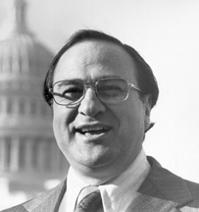
Historical · U.S. Senate · South Dakota
James Abourezk
Former U.S. Senator from South Dakota · 1973–1979 · Democratic · Class 2
James Abourezk represented South Dakota in the United States Senate (1973–1979) for the Democratic party. The page below collects sourced biographical facts, term history, committee roles, and provenance for Abourezk.
Bioguide ID: A000017
Key facts
- Full name
- James Abourezk
- State
- South Dakota
- Party
- Democratic
- Senate class
- Class II
- Senate service
- 1973–1979
- First Senate term
- 1973
- Status
- Left office
- Current term ends
- —
- Born
- 1931
- Bioguide ID
- A000017
- Committee assignments
- —
- Dataset version
- 1.20260602
Biographical narrative
962 words · sourced from the Wikipedia REST extract
James Abourezk is a former U.S. Senator from South Dakota, representing the Democratic Party. He served in the Senate from 1973 until the conclusion of his term on January 3, 1979. Abourezk is notable for being one of the first Arab Americans elected to the U.S. Senate, and his tenure was marked by a commitment to various social issues and a focus on civil rights. His legislative career in the Senate followed a background in law and local politics, reflecting a deep engagement with the political landscape of South Dakota.
Early life and career
James Abourezk was born on February 24, 1931. His early life was shaped by his heritage and the socio-political environment of the time. Growing up in South Dakota, he was influenced by the diverse cultural tapestry of the region, which included Native American communities and immigrant populations. Abourezk's background as the son of Lebanese immigrants provided him with a unique perspective on issues of identity and representation, which would later inform his political career.
Before entering the political arena, Abourezk pursued a legal education, earning a law degree. His legal background equipped him with the skills necessary for navigating the complexities of governance and legislation. After completing his education, he began his career in public service, which included working as a lawyer and engaging in local politics. His initial foray into politics was marked by a commitment to community issues and a desire to advocate for the rights of marginalized groups.
Abourezk's political career began in earnest when he was elected to the U.S. House of Representatives, where he served for a single term. This experience in the House laid the groundwork for his subsequent election to the Senate. His time in the House allowed him to build a network of political allies and gain insight into the legislative process, which would be invaluable during his Senate tenure.
Senate tenure
James Abourezk was elected to the U.S. Senate in 1972, beginning his term in 1973. He represented South Dakota as a member of the Democratic Party and was part of Senate Class 2. During his time in the Senate, Abourezk was known for his advocacy on various issues, particularly those affecting Native American communities and civil rights. His election to the Senate was significant not only for his party but also for the representation of Arab Americans in U.S. politics.
Throughout his Senate career, Abourezk was involved in numerous legislative initiatives and discussions that reflected his commitment to social justice and equality. He often focused on issues that resonated with his constituents, including healthcare, education, and economic development. His approach to governance was characterized by a willingness to engage with diverse viewpoints and a dedication to addressing the needs of underrepresented populations.
Abourezk's Senate tenure was marked by a number of challenges, both politically and personally. He navigated the complexities of party dynamics and the broader political landscape of the 1970s, a period marked by significant social change and political upheaval. His ability to connect with constituents and advocate for their interests was a hallmark of his time in office, and he worked diligently to represent the voices of South Dakotans in the Senate.
After serving one full term in the Senate, Abourezk chose not to seek re-election, and his term concluded on January 3, 1979. His decision to leave the Senate was influenced by various factors, including the changing political climate and his desire to pursue other opportunities. Abourezk's departure from the Senate marked the end of a significant chapter in his political career, but his impact on the legislative landscape and his contributions to social issues continued to resonate beyond his time in office.
Legislative focus and committees
During his time in the Senate, James Abourezk was known for his focus on several key legislative areas. His commitment to civil rights was a central theme throughout his career, as he sought to address issues of inequality and discrimination. Abourezk was particularly attentive to the rights and needs of Native American communities, advocating for policies that would improve their living conditions and ensure their voices were heard in the political process.
Abourezk served on various Senate committees, where he played a role in shaping legislation related to his areas of focus. His participation in these committees allowed him to engage with complex policy issues and collaborate with other lawmakers to advance legislative goals. His work on committees was instrumental in bringing attention to the challenges faced by marginalized groups and in promoting initiatives aimed at fostering social equity.
In addition to his focus on civil rights, Abourezk also addressed issues related to healthcare and education. He recognized the importance of access to quality healthcare and education as fundamental rights for all citizens. His legislative efforts in these areas reflected a broader commitment to social welfare and the belief that government has a role in ensuring the well-being of its constituents.
Abourezk's tenure in the Senate was characterized by a willingness to challenge the status quo and advocate for progressive policies. His legislative focus was informed by his experiences and the needs of the communities he represented. While his time in the Senate was relatively brief, his contributions to discussions on civil rights, healthcare, and education left a lasting impact on the legislative landscape.
In summary, James Abourezk's career as a U.S. Senator from South Dakota was marked by a commitment to social justice and advocacy for underrepresented communities. His early life and legal background shaped his approach to governance, while his Senate tenure allowed him to address critical issues facing his constituents. Through his legislative focus and committee work, Abourezk contributed to important discussions on civil rights, healthcare, and education, leaving a legacy that continues to influence the political discourse in the United States.
Notable legislation
Sponsored and co-sponsored legislation for James Abourezk is pending operator curation. The biographical narrative above carries the same provenance trail until per-bill rows are written.
Sources
- [1]https://en.wikipedia.org/wiki/James_AbourezkWikipedia · retrieved 2026-06-02
Notable quotes
Sourced quotes for James Abourezk are pending operator curation. Narrative-scope provenance remains attached below.
Sources
- [1]https://en.wikipedia.org/wiki/James_AbourezkWikipedia · retrieved 2026-06-02
Key positions
Curated policy positions for James Abourezk are pending operator review. The biographical narrative above carries the same provenance trail until per-topic positions are written.
Sources
- [1]https://en.wikipedia.org/wiki/James_AbourezkWikipedia · retrieved 2026-06-02
Terms served
- 1971–1973U.S. House · District 2 · Term 1 · Democratic
- 1973–1979U.S. Senate · Term 2 · Democratic · Class II
Sources & provenance
Every attributable claim above carries a per-section [N] marker that resolves to the corresponding URL below. Each entry records the upstream provider, the canonical URL, and the timestamp at which the source was retrieved by the ingest pipeline.
Key facts
- https://bioguide.congress.gov/search/bio/A000017bioguide · retrieved 2026-06-02
- https://www.govtrack.us/congress/members/400679govtrack · retrieved 2026-06-02
Biographical narrative
- https://en.wikipedia.org/wiki/James_Abourezkwikipedia · retrieved 2026-06-02
Find your senator
Every U.S. state elects two senators. Browse South Dakota’s delegation, the full former-senator roster, or explore the role and term length.
Related on The Candidate
- Preceded by Karl MundtEarlier holder of the South Dakota Class II Senate seat · Republican.Open
- Succeeded by Larry PresslerLater holder of the South Dakota Class II Senate seat · Republican.Open
- Alfred KittredgeFormer U.S. Senator from South Dakota · RepublicanOpen
- Chan GurneyFormer U.S. Senator from South Dakota · RepublicanOpen
- Coe CrawfordFormer U.S. Senator from South Dakota · RepublicanOpen
- Edwin JohnsonFormer U.S. Senator from South Dakota · DemocraticOpen