
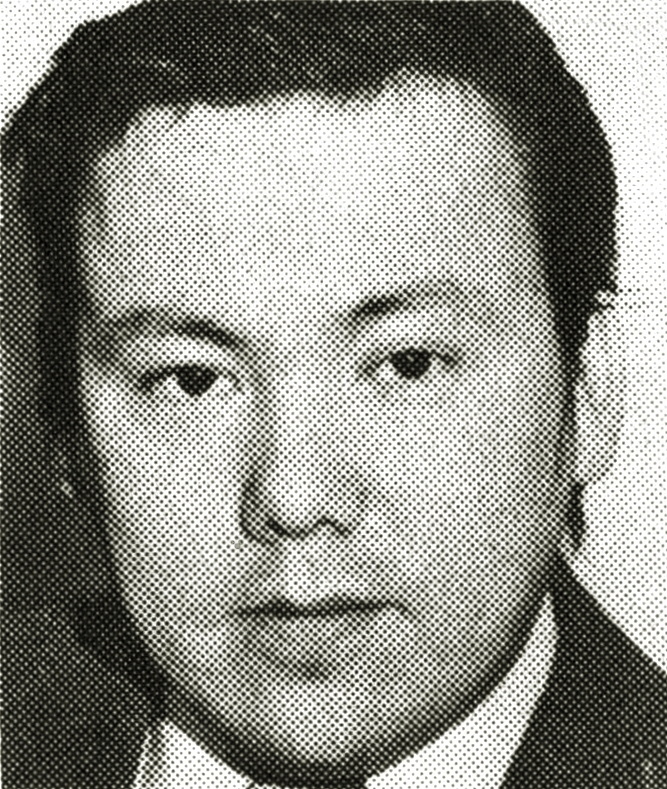
Former · State House · Alaska
Frank Ferguson
Former State Representative · Alaska · District 17 · Democratic
Frank Ferguson served as a State Representative in the Alaska House of Representatives, representing District 17 for the Democratic party. The page below collects sourced biographical facts, the seat and district served, and provenance for Ferguson.
Key facts
- Full name
- Frank Ferguson
- Office
- State Representative
- Chamber
- Alaska House of Representatives
- State
- Alaska
- District
- District 17
- Party
- Democratic
- Status
- Left office
- Born
- 1939
- OpenStates ID
- —
- Dataset version
- 1.20260610
Biographical narrative
914 words · sourced from the Wikipedia REST extract
Frank Ferguson was an American politician from Alaska who served in the Alaska House of Representatives and the Alaska Senate. A member of the Democratic Party, he was known for his advocacy on behalf of rural Alaskan communities and played a significant role in the development of infrastructure and services in these areas. His political career spanned over a decade, during which he held various leadership positions and contributed to the establishment of important legislative initiatives.
Early life and career
Frank Ferguson was born on July 14, 1939, in Kotzebue, Alaska. His early life was marked by a transition when his family moved to Fairbanks, Alaska, to provide better educational opportunities for their children. In Fairbanks, Ferguson attended Lathrop High School, where he completed his secondary education. Following high school, Ferguson served in the United States Army from 1963 to 1965, an experience that would shape his understanding of leadership and public service.
After his military service, Ferguson returned to Alaska, where he began to engage in local governance. He served as vice president of the Kotzebue City Council for four years, gaining valuable experience in public administration and community leadership. This role provided him with insights into the needs and challenges faced by his constituents, particularly in rural areas of Alaska.
Legislative service
Ferguson's political career in the Alaska legislature began when he was elected to the Alaska House of Representatives, where he served from 1971 to 1975. During his time in the House, he represented District 17, which encompassed the Northwest Arctic and the North Slope regions. Ferguson's tenure included two distinct terms, during which he succeeded his childhood friend Willie Hensley, who had previously held the seat.
In 1972, Ferguson faced a significant challenge when he lost the Democratic primary to Brenda Itta. However, he made a remarkable comeback by winning reelection as a write-in candidate, securing approximately 51.5% of the vote. This victory was notable as it allowed him to continue serving despite not being officially affiliated with any party during his last term in the House. Itta would go on to win the seat in 1974.
Following his time in the House, Ferguson transitioned to the Alaska Senate in 1974, again succeeding Willie Hensley after redistricting. His Senate career lasted nearly 12 years, during which he became a prominent figure in Alaskan politics. Ferguson was known for his efforts to secure state funding for rural Alaska, focusing on improving infrastructure, health services, education, and the judicial system in these underserved areas. His commitment to rural development was a defining aspect of his legislative agenda.
Ferguson was instrumental in the formation of the Bush Caucus, a coalition of legislators from rural Alaska that aimed to amplify the voices and concerns of these communities within the state legislature. This group played a crucial role in advocating for policies that addressed the unique challenges faced by rural Alaskans. Ferguson's contributions to the Senate were significant, and he was recognized for his dedication to public service.
Unfortunately, Ferguson's political career was cut short when he suffered a stroke in 1986, which led to his retirement from the Senate. Following his departure, Willie Hensley was appointed to complete his term.
Policy focus and district
Throughout his legislative career, Ferguson's policy focus was primarily centered on the needs of rural Alaskan communities. He recognized the disparities in resources and services between urban and rural areas and worked diligently to address these inequities. His advocacy for rural infrastructure included efforts to improve transportation, communication, and public utilities, which were essential for the development and sustainability of these communities.
Ferguson's commitment to education was also a significant aspect of his legislative work. He sought to enhance educational opportunities for children in rural Alaska, understanding that access to quality education was vital for the future of these communities. His initiatives aimed to secure funding for schools and educational programs that catered to the unique cultural and geographical contexts of rural Alaskan students.
In addition to his focus on infrastructure and education, Ferguson was dedicated to improving health services in rural areas. He recognized the challenges faced by residents in accessing healthcare and worked to secure funding for health facilities and services that would benefit these populations. His efforts contributed to the enhancement of health outcomes for many Alaskans living in remote regions.
Ferguson's legacy extends beyond his legislative achievements. He held leadership positions in various organizations, including serving as president of the Alaska Federation of Natives and chairman of NANA Regional Corporation. These roles further exemplified his commitment to advocating for the rights and interests of Alaska Natives and rural residents.
Frank Ferguson's personal life included two marriages and five children, with his second wife being Sophie Ferguson. His family life was an integral part of his identity, and he remained connected to his roots in Alaska throughout his life.
Ferguson faced health challenges in his later years, suffering another stroke in May 2000 that left him unable to speak. He passed away on June 4, 2003, in Kotzebue at the age of 63. In recognition of his contributions to the state and its communities, Governor Frank Murkowski ordered flags to be lowered to half-staff in his honor. The Frank R. Ferguson Building, which houses the headquarters of the Maniilaq Association, was named in his memory, and the Northwest Arctic Borough has awarded the Frank R. Ferguson Memorial Scholarship to students from the region since 1988, ensuring that his legacy continues to impact future generations.
Notable legislation
Sponsored and co-sponsored legislation for Frank Ferguson is pending operator curation. The biographical narrative above carries the same provenance trail until per-bill rows are written.
Sources
- [1]https://en.wikipedia.org/wiki/Frank_R._FergusonWikipedia · retrieved 2026-06-10
Notable quotes
Sourced quotes for Frank Ferguson are pending operator curation. Narrative-scope provenance remains attached below.
Sources
- [1]https://en.wikipedia.org/wiki/Frank_R._FergusonWikipedia · retrieved 2026-06-10
Key positions
Curated policy positions for Frank Ferguson are pending operator review. The biographical narrative above carries the same provenance trail until per-topic positions are written.
Sources
- [1]https://en.wikipedia.org/wiki/Frank_R._FergusonWikipedia · retrieved 2026-06-10
Legislative service
- Alaska House of RepresentativesDistrict 17 · Democratic
Sources & provenance
Every attributable claim above carries a per-section [N] marker that resolves to the corresponding URL below. Each entry records the upstream provider, the canonical URL, and the timestamp at which the source was retrieved by the ingest pipeline.
Key facts
- https://www.wikidata.org/wiki/Q112800374wikidata · retrieved 2026-06-10
- https://ballotpedia.org/Frank_Fergusonballotpedia · retrieved 2026-06-10
Biographical narrative
- https://en.wikipedia.org/wiki/Frank_R._Fergusonwikipedia · retrieved 2026-06-10
Explore the State House
Browse Alaska’s District 17 seat, the full Alaska House of Representatives roster, or Alaska’s federal candidates.
Related on The Candidate
- Alaska District 17Every member representing District 17 in the Alaska House of Representatives.Open
- Alaska State HouseThe full roster of the Alaska House of Representatives, by district.Open
- Alaska legislatureBoth chambers of the Alaska state legislature.Open
- Alaska federal candidatesEvery 2026 federal House and Senate candidate in Alaska.Open