
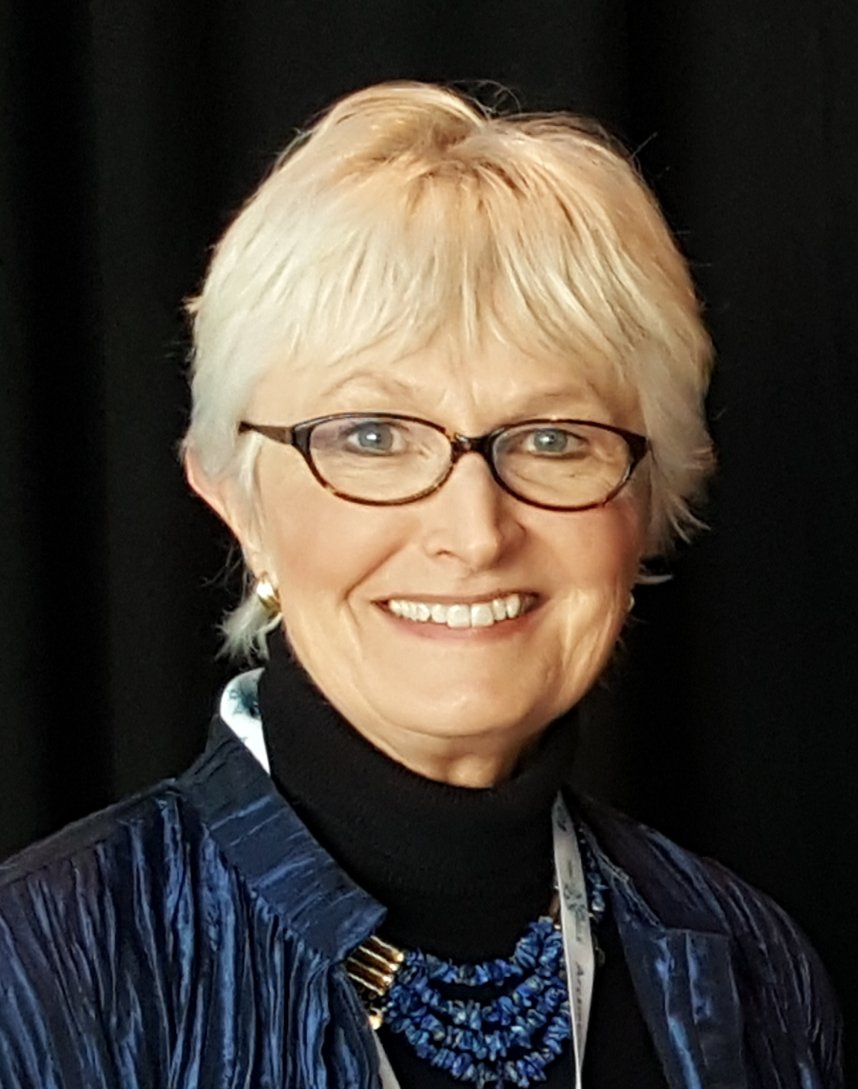
Former · State House · Alaska
Fran Ulmer
Former State Representative · Alaska · District 3 · Democratic
Fran Ulmer served as a State Representative in the Alaska House of Representatives, representing District 3 for the Democratic party. The page below collects sourced biographical facts, the seat and district served, and provenance for Ulmer.
Key facts
- Full name
- Fran Ulmer
- Office
- State Representative
- Chamber
- Alaska House of Representatives
- State
- Alaska
- District
- District 3
- Party
- Democratic
- Status
- Left office
- Born
- 1947
- OpenStates ID
- —
- Dataset version
- 1.20260610-1
Biographical narrative
903 words · sourced from the Wikipedia REST extract
Frances Ann "Fran" Ulmer is a former American politician and administrator known for her significant contributions to Alaska's political landscape. A member of the Democratic Party, she served in the Alaska State House of Representatives and later became the first woman elected to statewide office in Alaska as the lieutenant governor from 1994 to 2002. Ulmer's career spans various roles in public service, academia, and national commissions, reflecting her commitment to governance, education, and research, particularly in Arctic issues.
Early life and career
Fran Ulmer was born on February 1, 1947, in Madison, Wisconsin. She spent her formative years in Horicon, Wisconsin, where her family operated a furniture store and a funeral home. Ulmer's educational background includes a bachelor's degree with a double major in economics and political science from the University of Wisconsin–Madison, followed by a Juris Doctor degree, which she earned cum laude from the University of Wisconsin Law School. Her academic achievements were later recognized when she received an Honorary Doctor of Humane Letters from the University of Alaska Anchorage in 2018.
In 1977, Ulmer married attorney Bill Council, with whom she had two children. Their marriage lasted until his death in 2013. Ulmer's professional journey in Alaska began in 1973 when she took a position as a lawyer at the Legislative Affairs Agency in Juneau. Her early political career included serving as a legislative assistant to Jay Hammond, the Republican governor of Alaska, from 1975 to 1977. In 1977, she was appointed Director of Policy Development and Planning, a role she held until 1981. During this time, she also contributed to local governance by serving on Juneau's Planning and Zoning Commission from 1981 to 1983.
Ulmer's political career advanced when she was elected as the mayor of Juneau, serving from 1983 to 1985. Following her tenure as mayor, she was elected to the Alaska House of Representatives, where she served from 1987 to 1994. Her legislative work focused on various critical areas, including criminal justice, education, public administration, health, and transportation. She held the position of house minority leader from 1993 to 1994, further establishing her influence within the state legislature.
Legislative service
Ulmer's time in the Alaska State House of Representatives was marked by her dedication to advancing legislation that addressed key issues affecting Alaskans. During her two terms in office, she sponsored and successfully advocated for numerous bills that aimed to improve the state's infrastructure, education system, and public health initiatives. Her leadership and commitment to her constituents were evident as she navigated the complexities of state governance.
In 1994, Ulmer transitioned from the state legislature to a higher office when she won the Democratic nomination for lieutenant governor. She was elected alongside Governor Tony Knowles, marking a significant milestone in Alaska's political history as she became the first woman to hold statewide office in the state. During her two four-year terms as lieutenant governor, Ulmer gained national recognition for her efforts in election reform and enhancing government efficiency. One of her notable achievements was overseeing the implementation of a statewide optical scanning ballot counting system, which replaced the outdated punched card system.
Ulmer's tenure as lieutenant governor also involved promoting telecommunications initiatives to make government services more accessible to the public. Her work in this area demonstrated her commitment to modernizing state operations and improving the overall governance experience for Alaskans.
In 2002, Ulmer sought to further her political career by running for governor as the Democratic candidate. Despite her efforts, she lost the election to Republican candidate Frank Murkowski, which marked a turning point in her political journey.
Policy focus and district
Throughout her legislative career, Ulmer's policy focus encompassed a wide range of issues that were crucial to the well-being of Alaskans. Her work in criminal justice reform aimed to address systemic issues within the state's legal framework, while her initiatives in education sought to enhance the quality of schooling and access to educational resources. Additionally, she was involved in public administration reforms that aimed to streamline government processes and improve service delivery to citizens.
Ulmer's representation of Alaska State House District 3 allowed her to engage directly with her constituents and advocate for their needs at the state level. Her leadership roles, including serving as house minority leader, positioned her as a key figure in shaping legislative priorities and fostering bipartisan collaboration on important issues.
After her time in the state legislature and as lieutenant governor, Ulmer continued to contribute to public service and academia. She held various roles, including serving as a fellow at the Harvard Institute of Politics and later taking on a teaching position at the University of Alaska Anchorage. In 2007, she was appointed interim chancellor of the University of Alaska Anchorage and later accepted the position permanently, overseeing the university and its satellite facilities.
Ulmer's national contributions included serving on the North Pacific Anadromous Fish Commission and the Federal Communications Commission’s State and Local Advisory Committee. She was appointed by President Barack Obama to chair the U.S. Arctic Research Commission, where she focused on critical issues related to Arctic research and climate change.
In summary, Fran Ulmer's career reflects a deep commitment to public service, education, and research, particularly concerning Alaska's unique challenges and opportunities. Her legislative work and subsequent roles in academia and national commissions underscore her influence and dedication to advancing the interests of Alaskans and addressing pressing issues on a broader scale.
Notable legislation
Sponsored and co-sponsored legislation for Fran Ulmer is pending operator curation. The biographical narrative above carries the same provenance trail until per-bill rows are written.
Sources
- [1]https://en.wikipedia.org/wiki/Fran_UlmerWikipedia · retrieved 2026-06-10
Notable quotes
Sourced quotes for Fran Ulmer are pending operator curation. Narrative-scope provenance remains attached below.
Sources
- [1]https://en.wikipedia.org/wiki/Fran_UlmerWikipedia · retrieved 2026-06-10
Key positions
Curated policy positions for Fran Ulmer are pending operator review. The biographical narrative above carries the same provenance trail until per-topic positions are written.
Sources
- [1]https://en.wikipedia.org/wiki/Fran_UlmerWikipedia · retrieved 2026-06-10
Legislative service
- Alaska House of RepresentativesDistrict 3 · Democratic
Sources & provenance
Every attributable claim above carries a per-section [N] marker that resolves to the corresponding URL below. Each entry records the upstream provider, the canonical URL, and the timestamp at which the source was retrieved by the ingest pipeline.
Key facts
- https://www.wikidata.org/wiki/Q1440708wikidata · retrieved 2026-06-10
- https://ballotpedia.org/Fran_Ulmerballotpedia · retrieved 2026-06-10
Biographical narrative
- https://en.wikipedia.org/wiki/Fran_Ulmerwikipedia · retrieved 2026-06-10
Explore the State House
Browse Alaska’s District 3 seat, the full Alaska House of Representatives roster, or Alaska’s federal candidates.
Related on The Candidate
- Alaska District 3Every member representing District 3 in the Alaska House of Representatives.Open
- Alaska State HouseThe full roster of the Alaska House of Representatives, by district.Open
- Alaska legislatureBoth chambers of the Alaska state legislature.Open
- Alaska federal candidatesEvery 2026 federal House and Senate candidate in Alaska.Open