
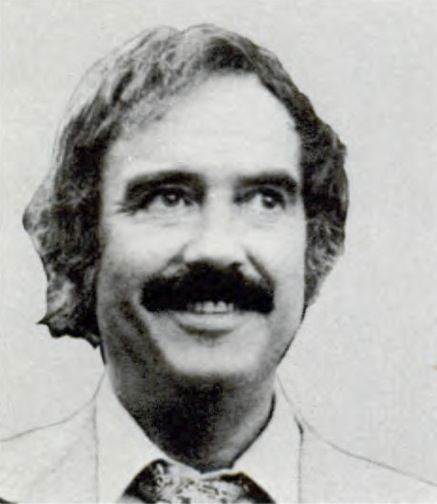
Former · State House · California
John L. Burton
Former State Representative · California · District 20 · Democratic
John L. Burton served as a State Representative in the California House of Representatives, representing District 20 for the Democratic party. The page below collects sourced biographical facts, the seat and district served, and provenance for Burton.
Key facts
- Full name
- John L. Burton
- Office
- State Representative
- Chamber
- California House of Representatives
- State
- California
- District
- District 20
- Party
- Democratic
- Status
- Left office
- Born
- 1932
- OpenStates ID
- —
- Dataset version
- 1.20260610-1
Biographical narrative
891 words · sourced from the Wikipedia REST extract
John L. Burton was an American politician known for his extensive service in various legislative roles within California and at the federal level. A member of the Democratic Party, he represented California's 20th State Assembly district and served in the California State Legislature from 1965 to 1974. His political career also included a tenure in the United States House of Representatives, where he was an advocate for civil rights, environmental protection, and healthcare reform. Burton's influence extended beyond his legislative roles, as he was involved in party leadership and advocacy efforts throughout his life.
Early life and career
John L. Burton was born on December 15, 1932, in Cincinnati, Ohio. He was raised in San Francisco, California, where he spent much of his formative years. Burton was the son of Mildred Leonard and Thomas Burton, a salesman and physician, and he grew up alongside his brother, Phillip. He completed his secondary education at Abraham Lincoln High School, graduating in 1950.
Following high school, Burton pursued higher education at San Francisco State University, earning a Bachelor of Arts degree in social science in 1954. His academic journey continued as he enlisted in the United States Army, serving from 1954 to 1956. After his military service, he returned to academia and obtained a Juris Doctor degree from the University of San Francisco School of Law in 1960.
Burton was admitted to the California bar in 1961 and began his professional career as an attorney in San Francisco. He also worked as a lobbyist for Pacific Gas and Electric Company (PG&E). His early political engagement included protesting against the Vietnam War, reflecting his growing involvement in social and political issues.
Burton's entry into elected office began in 1964 when he was elected to the California State Assembly, succeeding his brother Phillip, who had previously held the position. His tenure in the Assembly lasted until 1974, during which he became an influential figure in California politics. Additionally, he served as chair of the California Democratic Party from 1973 to 1974, further solidifying his role in the state's political landscape.
Legislative service
Burton's legislative career is marked by his commitment to progressive causes and his advocacy for various social issues. After serving in the California State Assembly, he transitioned to the U.S. House of Representatives, where he was elected in a special election in 1974. This election followed the resignation of Representative William S. Mailliard. During his time in Congress, Burton was known for his strong advocacy for civil rights and environmental protection. He played a significant role in efforts to impose economic sanctions on South Africa in response to its apartheid policies, co-authoring the Comprehensive Anti-Apartheid Act of 1986.
Burton's congressional career lasted until 1982, when he chose to retire amid personal challenges, including struggles with addiction. Following his departure from Congress, he returned to private law practice for several years before re-entering the political arena. In 1988, he was elected back to the California State Assembly, succeeding Art Agnos, who had become the Mayor of San Francisco. Burton won a full term later that year and was re-elected in 1990.
During his second tenure in the Assembly, Burton faced new legislative dynamics, including the implementation of term limits for state legislators. He served until 1996, at which point he was elected to the California State Senate. His Senate career lasted until he reached his term limit in 2004. Notably, he held the position of president pro tempore of the California State Senate from 1998 to 2004, a role that placed him in a significant leadership position within the legislative body.
Throughout his legislative service, Burton was recognized for his advocacy on behalf of social services and workers' rights. He was instrumental in expanding the Cal Grant scholarship program, which aimed to increase access to higher education for California residents. Additionally, he championed legislation that sought to require businesses to provide health coverage for their employees, although this particular initiative faced opposition and was ultimately defeated in a referendum.
Policy focus and district
Burton's policy focus during his legislative career was characterized by a commitment to progressive values. He was a vocal advocate for expanding access to healthcare, protecting the environment, and advancing civil rights. His efforts were particularly evident in his work on social services, where he sought to address the needs of vulnerable populations, including the poor and marginalized communities.
Representing California's 20th State Assembly district, which included parts of San Francisco, Burton was well-positioned to address the unique challenges and opportunities within his constituency. His advocacy for social services and workers' rights resonated with the values of many constituents, contributing to his electoral success during his time in office.
In addition to his legislative work, Burton's influence extended beyond the Assembly and Senate. After leaving the Legislature, he founded the John Burton Foundation for Children Without Homes in 2005, which aimed to improve the lives of foster children in California. His commitment to public service continued as he served on various boards and commissions, including a later appointment to the San Francisco Port Commission.
Burton's legacy is marked by his dedication to social justice and his efforts to create policy solutions that address the needs of California's diverse population. His career reflects a sustained commitment to public service and advocacy, making him a notable figure in California's political history.
Notable legislation
Sponsored and co-sponsored legislation for John L. Burton is pending operator curation. The biographical narrative above carries the same provenance trail until per-bill rows are written.
Sources
- [1]https://en.wikipedia.org/wiki/John_Burton_(American_politician)Wikipedia · retrieved 2026-06-10
Notable quotes
Sourced quotes for John L. Burton are pending operator curation. Narrative-scope provenance remains attached below.
Sources
- [1]https://en.wikipedia.org/wiki/John_Burton_(American_politician)Wikipedia · retrieved 2026-06-10
Key positions
Curated policy positions for John L. Burton are pending operator review. The biographical narrative above carries the same provenance trail until per-topic positions are written.
Sources
- [1]https://en.wikipedia.org/wiki/John_Burton_(American_politician)Wikipedia · retrieved 2026-06-10
Legislative service
- California House of Representatives1965–1974District 20 · Democratic
Sources & provenance
Every attributable claim above carries a per-section [N] marker that resolves to the corresponding URL below. Each entry records the upstream provider, the canonical URL, and the timestamp at which the source was retrieved by the ingest pipeline.
Key facts
- https://www.wikidata.org/wiki/Q1700888wikidata · retrieved 2026-06-10
- https://ballotpedia.org/John_L._Burtonballotpedia · retrieved 2026-06-10
Biographical narrative
- https://en.wikipedia.org/wiki/John_Burton_(American_politician)wikipedia · retrieved 2026-06-10
Explore the State House
Browse California’s District 20 seat, the full California House of Representatives roster, or California’s federal candidates.
Related on The Candidate
- California District 20Every member representing District 20 in the California House of Representatives.Open
- California State HouseThe full roster of the California House of Representatives, by district.Open
- California legislatureBoth chambers of the California state legislature.Open
- California federal candidatesEvery 2026 federal House and Senate candidate in California.Open