
Historical · Governor · Illinois
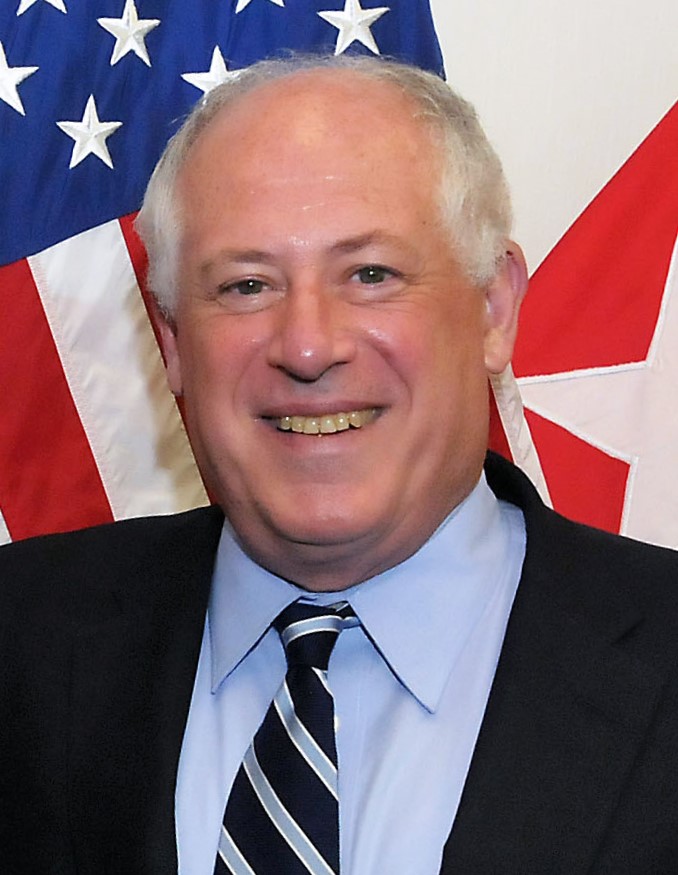
Pat Quinn
Former Governor of Illinois · 2009–2015 · Democratic
Pat Quinn served as Governor of Illinois (2009–2015) for the Democratic party. The page below collects sourced biographical facts, term history, and provenance for Quinn.
Key facts
- Full name
- Pat Quinn
- Office
- Governor of Illinois
- State
- Illinois
- Party
- Democratic
- Tenure
- 2009–2015
- Took office
- 2009
- Terms recorded
- 1
- Status
- Left office
- Current term ends
- —
- Born
- 1948
- Dataset version
- 1.20260608
Biographical narrative
990 words · sourced from the Wikipedia REST extract
Patrick Joseph Quinn is a former American politician who served as the 41st governor of Illinois from 2009 to 2015. A member of the Democratic Party, Quinn's political career is marked by his commitment to reform and public service, beginning as a political activist and culminating in his role as governor. His tenure was characterized by significant legislative achievements and a focus on social issues, including civil rights and economic development.
Early life and career
Pat Quinn was born on December 16, 1948, in the South Shore neighborhood of Chicago, Illinois. He is the son of Patrick Joseph "P. J." Quinn and Eileen Prindiville. His father served in the U.S. Navy during World War II, participating in the Pacific Theater, and later graduated from DePaul University with the assistance of the G.I. Bill. Eileen Prindiville, born before women gained the right to vote, worked as an assistant to a school principal. The Quinn family raised their three sons in a single-family home in Hinsdale, Illinois, supported by a mortgage from the Veterans Administration.
Quinn's educational journey began at St. Isaac Jogues Elementary School in Hinsdale, followed by Fenwick High School in Oak Park, where he was active as the captain of the cross-country team and the sports editor of the school newspaper. He pursued higher education at Georgetown University, earning a Bachelor of Science in Foreign Service in 1971. During his time at Georgetown, he was involved in various extracurricular activities, including serving as sports editor for The Hoya and playing on a traveling basketball team.
After completing his undergraduate studies, Quinn continued his education at Northwestern University School of Law, obtaining his Juris Doctor degree in 1980. His early career was marked by his work as a campaign organizer and aide to Illinois Governor Dan Walker. He became known for his activism, founding the Coalition for Political Honesty, which focused on organizing citizen-led referendums aimed at political reform. Notably, he led initiatives such as the 1976 Political Honesty Initiative and the 1980 Cutback Amendment, which successfully reduced the size of the Illinois House of Representatives.
Quinn's political career progressed as he was elected as a Commissioner on the Cook County Board of Tax Appeals from 1982 to 1986. He later served as the revenue director under Chicago Mayor Harold Washington and was elected Illinois Treasurer in 1990. Despite several unsuccessful campaigns for other offices, including secretary of state and U.S. senator, Quinn remained active in politics and continued to advocate for reform.
In 2002, Quinn secured the Democratic nomination for Lieutenant Governor of Illinois and was elected alongside gubernatorial candidate Rod Blagojevich. He served in this capacity until Blagojevich's impeachment in 2009, at which point Quinn assumed the governorship.
Governorship
Quinn became the governor of Illinois on January 29, 2009, following the impeachment and removal of Rod Blagojevich due to corruption charges. His ascension to the governorship marked a significant transition in Illinois politics, as he sought to restore public trust in government. During his time in office, Quinn focused on various initiatives aimed at improving the state's economy and addressing social issues.
One of his notable achievements was the passage of a $31 billion capital construction plan, which aimed to create jobs and improve infrastructure throughout the state. Additionally, Quinn championed ethics reforms designed to enhance transparency and accountability in government operations. He was instrumental in legalizing civil unions and same-sex marriage in Illinois, reflecting his commitment to advancing civil rights.
Quinn also expanded state coverage under the Affordable Care Act, which aimed to increase access to healthcare for Illinois residents. He initiated programs such as Put Illinois to Work, which sought to provide job opportunities for unemployed individuals, and the Illinois Secure Choice retirement savings program, aimed at helping workers save for retirement. Another significant action during his governorship was the abolition of the death penalty in Illinois, a move that underscored his focus on criminal justice reform.
In the 2010 gubernatorial election, Quinn won a full term in a closely contested race against Republican candidate Bill Brady, securing victory by a narrow margin. His administration continued to face challenges, including budgetary constraints and political opposition. In 2014, Quinn ran for re-election but was defeated by Republican nominee Bruce Rauner. His loss marked the end of his tenure as governor, concluding a significant chapter in Illinois politics.
Policy focus and legacy
Quinn's governorship is characterized by a focus on reform and social justice, with a commitment to enhancing the lives of Illinois residents. His advocacy for civil rights, particularly in the areas of marriage equality and healthcare access, has left a lasting impact on the state's legislative landscape. The legalization of same-sex marriage in Illinois was a landmark achievement that reflected broader societal changes and the growing acceptance of LGBTQ+ rights.
His efforts to improve infrastructure through the capital construction plan aimed to stimulate the economy and create jobs, addressing the needs of a state grappling with economic challenges. The implementation of ethics reforms during his administration was a response to the corruption scandals that had plagued Illinois politics, aiming to restore public confidence in government institutions.
Quinn's initiatives, such as the Put Illinois to Work program and the Illinois Secure Choice retirement savings program, demonstrated his commitment to addressing economic disparities and providing support to vulnerable populations. The abolition of the death penalty was a significant moral and legal decision that highlighted his focus on humane treatment within the criminal justice system.
Despite facing political challenges and ultimately losing his re-election bid, Quinn's legacy as governor is marked by his dedication to reform and social equity. His career reflects a lifelong commitment to public service and advocacy for the rights of individuals, shaping the political landscape of Illinois for years to come. After leaving office, Quinn continued to engage in public life, including an unsuccessful campaign for the Democratic nomination for attorney general in 2018, further illustrating his ongoing involvement in state politics.
Notable legislation
Sponsored and co-sponsored legislation for Pat Quinn is pending operator curation. The biographical narrative above carries the same provenance trail until per-bill rows are written.
Sources
- [1]https://en.wikipedia.org/wiki/Pat_Quinn_(politician)Wikipedia · retrieved 2026-06-08
Notable quotes
Sourced quotes for Pat Quinn are pending operator curation. Narrative-scope provenance remains attached below.
Sources
- [1]https://en.wikipedia.org/wiki/Pat_Quinn_(politician)Wikipedia · retrieved 2026-06-08
Key positions
Curated policy positions for Pat Quinn are pending operator review. The biographical narrative above carries the same provenance trail until per-topic positions are written.
Sources
- [1]https://en.wikipedia.org/wiki/Pat_Quinn_(politician)Wikipedia · retrieved 2026-06-08
Terms served
- 2009–2015Governor of Illinois · Term 1 · Democratic
Sources & provenance
Every attributable claim above carries a per-section [N] marker that resolves to the corresponding URL below. Each entry records the upstream provider, the canonical URL, and the timestamp at which the source was retrieved by the ingest pipeline.
Key facts
- https://www.wikidata.org/wiki/Q460291wikidata · retrieved 2026-06-08
- https://ballotpedia.org/Pat_Quinnballotpedia · retrieved 2026-06-08
Biographical narrative
- https://en.wikipedia.org/wiki/Pat_Quinn_(politician)wikipedia · retrieved 2026-06-08
Explore governors
Every U.S. state elects a governor. Browse Illinois’s gubernatorial lineage, the full roster of sitting governors, or Illinois’s federal candidates.