
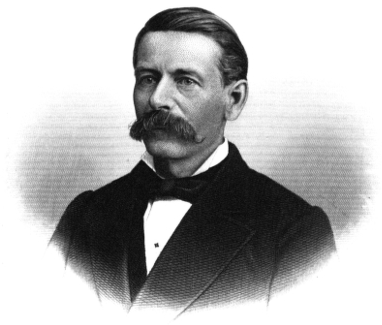
Former · State Senate · Michigan
Homer G. Barber
Former State Senator · Michigan · District 20 · Republican
Homer G. Barber served as a State Senator in the Michigan State Senate, representing District 20 for the Republican party. The page below collects sourced biographical facts, the seat and district served, and provenance for Barber.
Key facts
- Full name
- Homer G. Barber
- Office
- State Senator
- Chamber
- Michigan State Senate
- State
- Michigan
- District
- District 20
- Party
- Republican
- Status
- Left office
- Born
- 1830
- OpenStates ID
- —
- Dataset version
- 1.20260610
Biographical narrative
854 words · sourced from the Wikipedia REST extract
Homer G. Barber was a prominent American politician and businessman from Michigan, known for his service in the Michigan State Senate during the early 1870s. A member of the Republican Party, he represented Michigan's 20th Senate district and held office from 1871 to 1872. Barber's career encompassed various roles, including postmaster and village president, and he was involved in banking and education within his community. His life journey reflects a blend of public service and entrepreneurial endeavors, rooted in his early experiences in Vermont and Michigan.
Early life and career
Homer G. Barber was born on November 25, 1830, in Benson, Vermont. He was the son of Edward Hinman Barber and Rebecca Barber. In 1839, when he was just nine years old, Barber's family relocated to Vermontville, Michigan, where they became among the original settlers of the area. Growing up on a farm in Vermontville, Barber received his education at the Vermontville Academy, which provided him with a foundational knowledge that would serve him throughout his life.
In the late 1840s, Barber began his professional career as a clerk for the postmaster in Kalamazoo, Michigan, around 1849. This early experience in public service likely influenced his later political aspirations. In 1850, seeking fortune and opportunity, Barber participated in the California Gold Rush. He undertook a challenging journey, sailing around Cape Horn to reach California, where he spent two years mining for gold. Although the gold rush was fraught with uncertainty, Barber managed to return to Vermontville with profits that would enable him to embark on a successful career as a merchant.
Barber's business acumen became evident as he established himself in the local economy. His entrepreneurial spirit led him to a significant appointment in 1861, when he was named the Postmaster of Vermontville. He held this position for eleven years, further solidifying his reputation in the community and enhancing his understanding of public service.
Legislative service
Barber's political career took a significant turn when he was elected to the Michigan State Senate on November 4, 1870. He represented the 20th Senate district, serving from January 4, 1871, until December 31, 1872. His tenure in the state legislature was marked by his involvement in various legislative activities, although specific details regarding the bills he supported or the committees he served on are not documented. As a member of the Republican Party during this period, Barber contributed to the political landscape of Michigan during a time of considerable change and development in the state.
Following his legislative service, Barber continued to engage in various community roles. In 1872, he ventured into banking by establishing a private village bank, which reflected his ongoing commitment to the economic development of Vermontville. His involvement in local governance included serving as a trustee of Vermontville from 1872 to 1873, and he later held the position of village president from 1874 to 1875 and again from 1876 to 1879. These roles allowed him to influence local policy and community initiatives directly.
Barber's commitment to education was evident in his service as a trustee on the Vermontville school board in 1880. This role underscored his dedication to the welfare of the community's youth and his belief in the importance of education as a foundation for future generations.
Policy focus and district
During his time in the Michigan State Senate, Barber represented the interests of his constituents in the 20th district, which encompassed various communities and rural areas. While specific legislative initiatives or policy focuses during his term are not detailed, it can be inferred that as a Republican in the post-Civil War era, Barber likely engaged with issues pertinent to economic development, infrastructure, and education, which were significant concerns for many legislators of his time.
Barber's background as a merchant and his experience in public service likely informed his approach to governance. His roles in local banking and as a village president suggest a focus on economic stability and growth within his district. The 20th Senate district, like many rural areas in Michigan during the late 19th century, faced challenges related to agricultural development, transportation, and community services, all of which would have been relevant to Barber's legislative priorities.
In addition to his political and business endeavors, Barber was known for his involvement in the Congregational Church and was recognized for his liberal views on religion. His community engagement extended beyond politics and business, reflecting a holistic approach to public service that encompassed social and civic responsibilities.
Barber's life was marked by a commitment to his community, both as a public servant and as a businessman. His contributions to Vermontville and the surrounding areas were significant, and his legacy continued to influence local governance and community development long after his departure from the state senate.
Homer G. Barber passed away on March 10, 1909, after a period of declining health due to influenza. He was interred at Woodlawn Cemetery in Vermontville, leaving behind a legacy of public service and community involvement that defined his life and career. His story is a reflection of the opportunities and challenges faced by many Americans during a transformative period in the nation's history.
Notable legislation
Sponsored and co-sponsored legislation for Homer G. Barber is pending operator curation. The biographical narrative above carries the same provenance trail until per-bill rows are written.
Sources
- [1]https://en.wikipedia.org/wiki/Homer_G._BarberWikipedia · retrieved 2026-06-10
Notable quotes
Sourced quotes for Homer G. Barber are pending operator curation. Narrative-scope provenance remains attached below.
Sources
- [1]https://en.wikipedia.org/wiki/Homer_G._BarberWikipedia · retrieved 2026-06-10
Key positions
Curated policy positions for Homer G. Barber are pending operator review. The biographical narrative above carries the same provenance trail until per-topic positions are written.
Sources
- [1]https://en.wikipedia.org/wiki/Homer_G._BarberWikipedia · retrieved 2026-06-10
Legislative service
- Michigan State Senate1871–1872District 20 · Republican
Sources & provenance
Every attributable claim above carries a per-section [N] marker that resolves to the corresponding URL below. Each entry records the upstream provider, the canonical URL, and the timestamp at which the source was retrieved by the ingest pipeline.
Key facts
- https://www.wikidata.org/wiki/Q104740091wikidata · retrieved 2026-06-10
- https://ballotpedia.org/Homer_G._Barberballotpedia · retrieved 2026-06-10
Biographical narrative
- https://en.wikipedia.org/wiki/Homer_G._Barberwikipedia · retrieved 2026-06-10
Explore the State Senate
Browse Michigan’s District 20 seat, the full Michigan State Senate roster, or Michigan’s federal candidates.
Related on The Candidate
- Michigan District 20Every member representing District 20 in the Michigan State Senate.Open
- Michigan State SenateThe full roster of the Michigan State Senate, by district.Open
- Michigan legislatureBoth chambers of the Michigan state legislature.Open
- Michigan federal candidatesEvery 2026 federal House and Senate candidate in Michigan.Open