
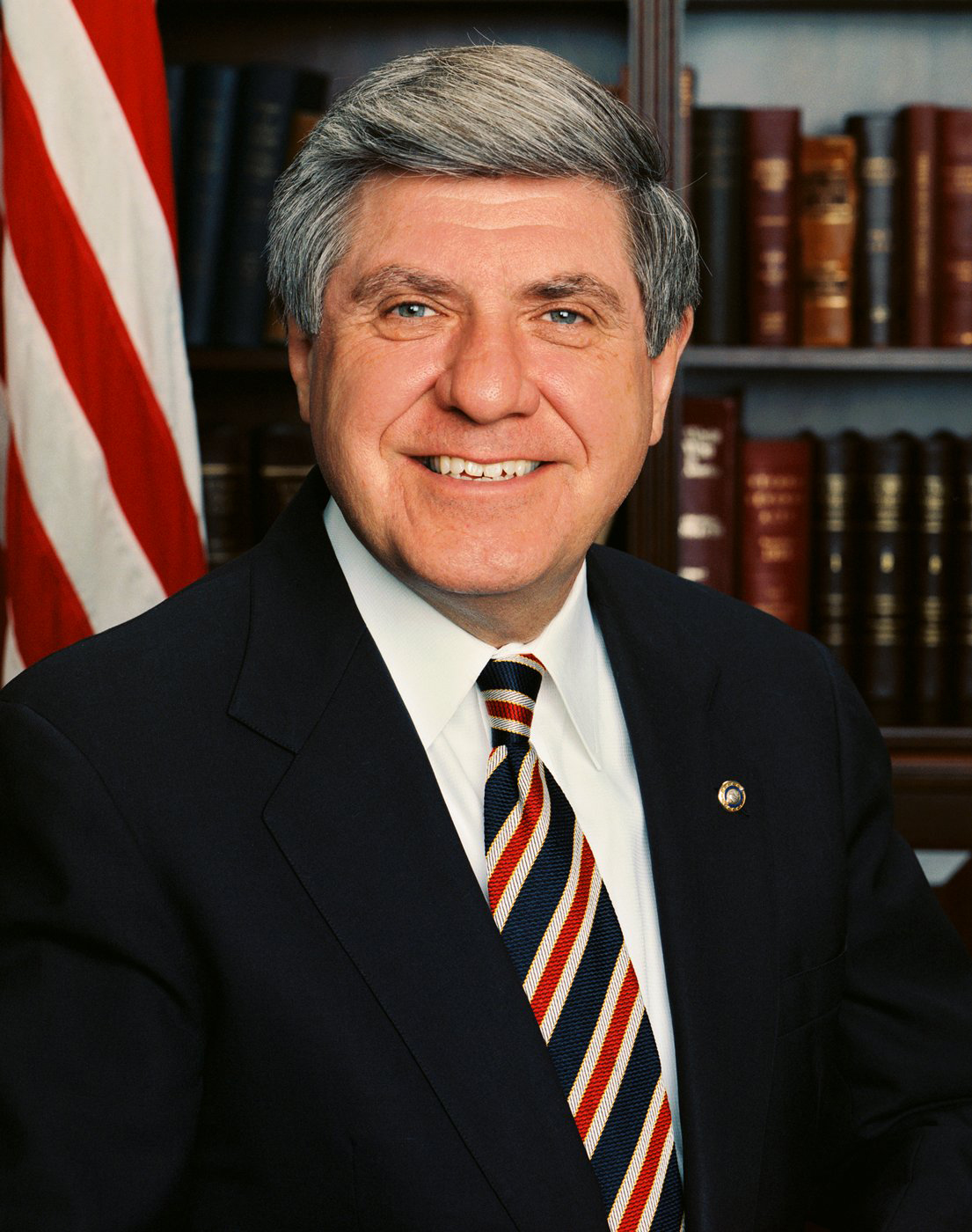
Historical · Governor · Nebraska
Ben Nelson
Former Governor of Nebraska · 1991–1999 · Democratic
Ben Nelson served as Governor of Nebraska (1991–1999) for the Democratic party. The page below collects sourced biographical facts, term history, and provenance for Nelson.
Key facts
- Full name
- Ben Nelson
- Office
- Governor of Nebraska
- State
- Nebraska
- Party
- Democratic
- Tenure
- 1991–1999
- Took office
- 1991
- Terms recorded
- 1
- Status
- Left office
- Current term ends
- —
- Born
- 1941
- Dataset version
- 1.20260608
Biographical narrative
861 words · sourced from the Wikipedia REST extract
Earl Benjamin Nelson, born on May 17, 1941, is an American politician, attorney, and businessman known for his service as the 37th governor of Nebraska from 1991 to 1999. A member of the Democratic Party, he later served as a United States senator from Nebraska from 2001 to 2013. Nelson's political career is notable for his conservative positions within the Democratic Party, and he remains the last Democrat to have held statewide office in Nebraska as of 2026.
Early life and career
Earl Benjamin Nelson was born in McCook, Nebraska, where he was raised as the only child of Birdella and Benjamin Earl Nelson. His early life included achievements such as becoming an Eagle Scout, which reflects a commitment to community service and leadership. Nelson pursued higher education at the University of Nebraska–Lincoln, earning a Bachelor of Arts degree in 1963, followed by a Master's degree in 1965, and a Juris Doctor in 1970. This educational background laid the foundation for his future career in law and politics.
After completing his legal education, Nelson began his professional career as an assistant general counsel for Central National Insurance Group in Omaha. His experience in the insurance industry provided him with insights into business and regulatory matters. In 1975, he was appointed by the governor as the state insurance director, a role that allowed him to influence policies related to insurance in Nebraska. Following a change in administration, he returned to Central National Insurance, where he advanced to the positions of executive vice president and eventually president.
Nelson's involvement in politics began to take shape in the mid-1980s when he became active in the Democratic Party. He served as the state chairman for Helen Boosalis's gubernatorial campaign in 1986, although Boosalis was ultimately defeated by the Republican incumbent, Kay Orr. This experience likely provided him with valuable insights into campaign strategy and the political landscape of Nebraska.
Governorship
Nelson's political career took a significant turn in 1990 when he ran for governor of Nebraska. He successfully defeated the incumbent Republican governor, Kay Orr, by a narrow margin, marking his entry into statewide office. His victory was a notable achievement, considering the competitive nature of the race. In 1994, Nelson sought re-election and won decisively, securing 73% of the vote, which represented one of the largest margins of victory for a governor in Nebraska in several decades.
During his time in office, Nelson focused on various legislative initiatives aimed at improving public safety and supporting low-income families. He introduced the Safe Streets Act and the Juvenile Crime Bill, both of which were designed to address crime rates in the state. Additionally, he championed the Kids Connection health care system, which aimed to provide health coverage for children from low-income families. His administration also enacted welfare reforms and implemented tax cuts that benefited over 400,000 middle-income families.
Nelson's governorship was characterized by a willingness to take conservative stances on certain issues, reflecting the political climate of Nebraska. He advocated for welfare reform ahead of national trends and opposed President Bill Clinton's health care proposals, aligning himself with the more conservative elements of his party. One of the significant controversies during his tenure involved the proposed establishment of a low-level nuclear waste dump in Nebraska, which he opposed. His administration ultimately led to the denial of the dump's operating license, resulting in a settlement that provided Nebraska with substantial financial compensation.
In 1996, Nelson sought a seat in the U.S. Senate when fellow Democrat Jim Exon announced his retirement. However, he faced an unexpected defeat by Republican Chuck Hagel, which marked a setback in his political career. In 1998, due to Nebraska's term-limits law, Nelson was ineligible to run for re-election as governor, and he was succeeded by Mike Johanns, the Republican mayor of Lincoln.
Policy focus and legacy
Nelson's policy focus during his governorship and subsequent Senate career reflected a blend of Democratic principles and conservative values. His legislative efforts in Nebraska were aimed at addressing pressing issues such as public safety, health care access for children, and welfare reform. By introducing measures like the Safe Streets Act and the Kids Connection health care system, he sought to create a safer and healthier environment for Nebraska's residents, particularly those from low-income backgrounds.
As a U.S. senator from 2001 to 2013, Nelson continued to navigate the complexities of bipartisan politics. He was recognized as one of the more conservative Democrats in the Senate, often voting against his party on key issues. His political positions, particularly on abortion, were notable; he was endorsed by conservative organizations such as Nebraska Right to Life, although he later faced criticism for his support of health care legislation that did not align with their views.
Nelson's legacy is marked by his unique position within the Democratic Party in Nebraska, where he remains the last Democrat to have won or held statewide office as of 2026. His tenure as governor and senator reflects a complex interplay of political ideologies and the challenges of governing in a predominantly Republican state. Nelson's career illustrates the evolving nature of political affiliations and the impact of individual leaders on state and national politics.
Notable legislation
Sponsored and co-sponsored legislation for Ben Nelson is pending operator curation. The biographical narrative above carries the same provenance trail until per-bill rows are written.
Sources
- [1]https://en.wikipedia.org/wiki/Ben_NelsonWikipedia · retrieved 2026-06-08
Notable quotes
Sourced quotes for Ben Nelson are pending operator curation. Narrative-scope provenance remains attached below.
Sources
- [1]https://en.wikipedia.org/wiki/Ben_NelsonWikipedia · retrieved 2026-06-08
Key positions
Curated policy positions for Ben Nelson are pending operator review. The biographical narrative above carries the same provenance trail until per-topic positions are written.
Sources
- [1]https://en.wikipedia.org/wiki/Ben_NelsonWikipedia · retrieved 2026-06-08
Terms served
- 1991–1999Governor of Nebraska · Term 1 · Democratic
Sources & provenance
Every attributable claim above carries a per-section [N] marker that resolves to the corresponding URL below. Each entry records the upstream provider, the canonical URL, and the timestamp at which the source was retrieved by the ingest pipeline.
Key facts
- https://www.wikidata.org/wiki/Q718542wikidata · retrieved 2026-06-08
- https://ballotpedia.org/Ben_Nelsonballotpedia · retrieved 2026-06-08
Biographical narrative
- https://en.wikipedia.org/wiki/Ben_Nelsonwikipedia · retrieved 2026-06-08
Explore governors
Every U.S. state elects a governor. Browse Nebraska’s gubernatorial lineage, the full roster of sitting governors, or Nebraska’s federal candidates.