
Serving · State Senate · Ohio
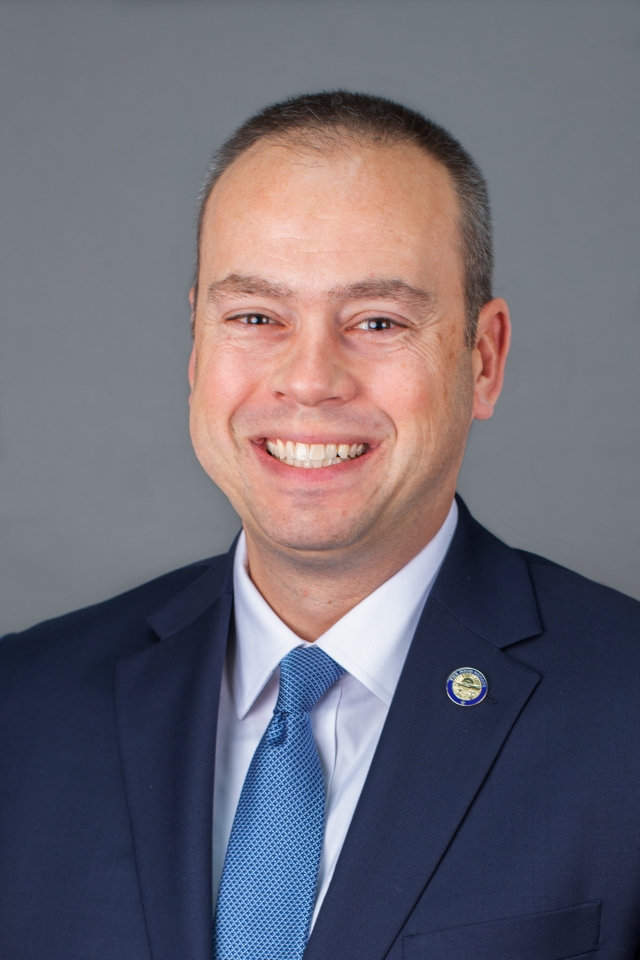
Nathan Manning
State Senator · Ohio · District 13 · Republican
Nathan Manning serves as a State Senator in the Ohio State Senate, representing District 13 for the Republican party. The page below collects sourced biographical facts, the seat and district served, and provenance for Manning.
Key facts
- Full name
- Nathan Manning
- Office
- State Senator
- Chamber
- Ohio State Senate
- State
- Ohio
- District
- District 13
- Party
- Republican
- Status
- Currently serving
- Born
- 1982
- OpenStates ID
- ocd-person/d3508136-3927-461f-a2f0-a85665845ab1
- Dataset version
- 1.20260609
Biographical narrative
914 words · sourced from the Wikipedia REST extract
Nathan Manning is a Republican member of the Ohio Senate, representing the 13th district since 2019. He previously served in the Ohio House of Representatives from 2015 to 2018. Born on January 13, 1982, Manning has a background in law and public service, which has shaped his political career. He is the son of Gayle Manning, a current state representative, and Jeffrey Manning, a former state representative, indicating a family legacy in Ohio politics. His legislative work has focused on various issues, including taxation, energy policy, and social issues, reflecting a moderate political stance.
Early life and career
Nathan Manning was born in 1982 and grew up in Ohio, where he was influenced by his family's involvement in politics. His mother, Gayle Manning, has served as a state representative, while his father, Jeffrey Manning, previously held the same position. This familial connection to public service likely played a role in shaping his interests and aspirations in the political arena.
Manning pursued higher education at Denison University, where he completed his undergraduate studies. He then attended Capital University Law School, earning his law degree. Following his education, he began his professional career as an assistant prosecutor for the city of North Ridgeville. In this role, he gained valuable experience in the legal system and developed a deeper understanding of the law, which would later inform his legislative decisions.
Before entering the political arena, Manning's legal background provided him with insights into the complexities of law and governance. His experience as a prosecutor allowed him to engage with various community issues, enhancing his awareness of the challenges faced by constituents. This foundation in law and public service set the stage for his subsequent political career.
Legislative service
Manning's political career began in earnest when he ran for a seat in the Ohio House of Representatives in 2014. He sought to succeed the term-limited Matt Lundy, a Democrat. In the general election, Manning successfully defeated his opponent, Democrat Brendan Mackin, securing a significant victory. This election marked the beginning of his formal legislative service, where he represented the interests of his constituents in the Ohio House from 2015 until 2018.
After completing his term in the House, Manning transitioned to the Ohio Senate, where he has served since 2019. In the 2018 election, he ran for the Ohio Senate seat and faced Democratic challenger Sharon Sweda. Manning won this election, further solidifying his position in Ohio's legislative framework. His tenure in the Senate has included participation in various committees and legislative initiatives, allowing him to influence state policy on a range of issues.
In 2022, Manning sought reelection and faced Democratic challenger Anthony Eliopoulos. He successfully retained his seat in the Senate, demonstrating continued support from his constituents. His electoral victories reflect his ability to connect with voters and address their concerns through his legislative work.
Policy focus and district
As a member of the Ohio Senate, Manning has focused on a variety of policy issues that reflect both his political beliefs and the needs of his constituents in the 13th district. He has been characterized as a moderate Republican, which influences his approach to legislation. One of his notable policy positions includes advocating for the gradual phasing out of the income tax in Ohio over the next decade. This stance aligns with broader Republican principles of reducing tax burdens but also reflects a consideration of economic growth and fiscal responsibility.
Manning's involvement in energy policy has also been significant. He has expressed opposition to Ohio House Bill 6, which provided subsidies for two nuclear power plants in the state. This bill became embroiled in controversy due to its association with the Ohio nuclear bribery scandal. Manning's call for the repeal of this legislation indicates his commitment to transparency and accountability in government, as well as his willingness to challenge party lines when necessary.
In addition to economic and energy issues, Manning has taken a stand on social matters, particularly regarding healthcare and gender identity. He voted against a bill that aimed to ban gender-affirming care for minors and restrict transgender women from participating in women's sports. His decision to oppose this legislation marked him as the only Republican Ohio Senator to do so, highlighting his willingness to diverge from party consensus on certain social issues.
Manning's stance on abortion reflects a complex position within the broader Republican framework. He identifies as pro-life, supporting restrictions on abortion but allowing exceptions in cases of rape, incest, and when the life of the mother is at risk. Notably, he voted against Ohio Senate Bill 23, commonly known as the "Heartbeat Bill," which sought to ban most abortions after the detection of a fetal heartbeat. This legislation did not include exceptions for rape or incest and became a focal point of legal challenges in Ohio. Manning's vote against this bill underscores his alignment with more moderate views within the pro-life movement, emphasizing the importance of exceptions in certain circumstances.
Throughout his legislative career, Manning has navigated a range of complex issues, balancing his personal beliefs with the diverse perspectives of his constituents. His moderate approach allows him to engage with a broader audience, fostering dialogue on contentious topics. As he continues to serve in the Ohio Senate, Manning remains focused on addressing the needs of his district while contributing to the legislative process in Ohio. His background in law, combined with his family legacy in politics, positions him as a significant figure in the state's political landscape.
Notable legislation
Sponsored and co-sponsored legislation for Nathan Manning is pending operator curation. The biographical narrative above carries the same provenance trail until per-bill rows are written.
Sources
- [1]https://en.wikipedia.org/wiki/Nathan_ManningWikipedia · retrieved 2026-06-09
Notable quotes
Sourced quotes for Nathan Manning are pending operator curation. Narrative-scope provenance remains attached below.
Sources
- [1]https://en.wikipedia.org/wiki/Nathan_ManningWikipedia · retrieved 2026-06-09
Key positions
Curated policy positions for Nathan Manning are pending operator review. The biographical narrative above carries the same provenance trail until per-topic positions are written.
Sources
- [1]https://en.wikipedia.org/wiki/Nathan_ManningWikipedia · retrieved 2026-06-09
Legislative service
- Ohio State SenateDistrict 13 · Republican
Sources & provenance
Every attributable claim above carries a per-section [N] marker that resolves to the corresponding URL below. Each entry records the upstream provider, the canonical URL, and the timestamp at which the source was retrieved by the ingest pipeline.
Key facts
- https://openstates.org/person/nathan-manning-6QkAeFHgFduKkywpVIhW6L/openstates · retrieved 2026-06-09
- https://ballotpedia.org/Nathan_Manningballotpedia · retrieved 2026-06-09
- https://www.ohiosenate.gov/senators/manningofficial · retrieved 2026-06-09
Biographical narrative
- https://en.wikipedia.org/wiki/Nathan_Manningwikipedia · retrieved 2026-06-09
Explore the State Senate
Browse Ohio’s District 13 seat, the full Ohio State Senate roster, or Ohio’s federal candidates.
Related on The Candidate
- Ohio District 13Every member representing District 13 in the Ohio State Senate.Open
- Ohio State SenateThe full roster of the Ohio State Senate, by district.Open
- Ohio legislatureBoth chambers of the Ohio state legislature.Open
- Ohio federal candidatesEvery 2026 federal House and Senate candidate in Ohio.Open