
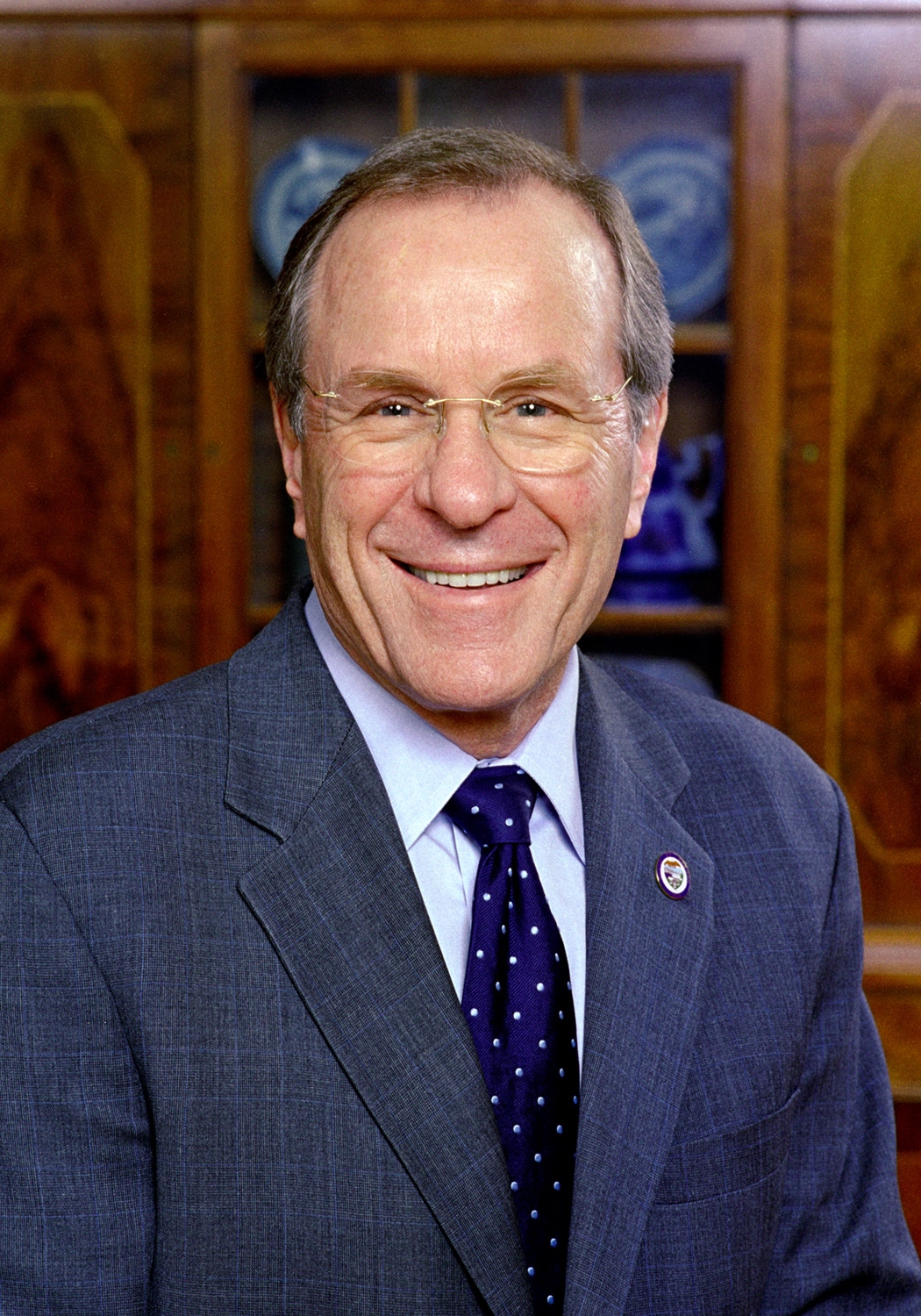
Historical · Governor · Oregon
Ted Kulongoski
Former Governor of Oregon · 2003–2011 · Democratic
Ted Kulongoski served as Governor of Oregon (2003–2011) for the Democratic party. The page below collects sourced biographical facts, term history, and provenance for Kulongoski.
Key facts
- Full name
- Ted Kulongoski
- Office
- Governor of Oregon
- State
- Oregon
- Party
- Democratic
- Tenure
- 2003–2011
- Took office
- 2003
- Terms recorded
- 1
- Status
- Left office
- Current term ends
- —
- Born
- 1940
- Dataset version
- 1.20260608
Biographical narrative
980 words · sourced from the Wikipedia REST extract
Theodore Ralph Kulongoski, commonly known as Ted Kulongoski, is an American politician, lawyer, and judge who served as the 36th governor of Oregon from 2003 to 2011. A member of the Democratic Party, Kulongoski's political career spans several decades and includes significant roles in both legislative and judicial capacities within the state government. His tenure as governor was marked by efforts to address the state's budget crisis, labor relations, and environmental issues, reflecting his pragmatic approach to governance.
Early life and career
Ted Kulongoski was born on November 5, 1940, in St. Louis, Missouri. He was the son of Theodore Kulongoski, a Polish immigrant, and Helen Kulongoski, née Newcomer. Tragically, Kulongoski's father passed away from cancer when Ted was just one year old, which led to a challenging childhood. He spent much of his early life in a Catholic boys' home, an experience that shaped his values and perspectives.
After completing high school, Kulongoski enlisted in the United States Marine Corps, serving his country before pursuing higher education. Utilizing the benefits of the G.I. Bill, he attended the University of Missouri, where he earned both an undergraduate degree and a Juris Doctor from the University of Missouri School of Law in 1970. Following his graduation, Kulongoski relocated to Eugene, Oregon, where he began his professional career as a labor lawyer, focusing on issues related to workers' rights and labor relations.
Kulongoski's political career began in earnest in 1974 when he was elected to the Oregon House of Representatives. His political journey continued in 1978 when he was elected to the Oregon State Senate. During this time, he gained recognition for his legislative work and became a prominent figure within the Democratic Party. In the 1980 United States Senate election, Kulongoski ran against Republican incumbent Bob Packwood but was unsuccessful. He also made an unsuccessful bid for governor in 1982 against Republican Victor G. Atiyeh.
In 1987, Kulongoski was appointed by then-Governor Neil Goldschmidt to serve as the state insurance commissioner. In this role, he implemented significant reforms to the state's workers' compensation insurance system, which contributed to lowering costs for businesses and improving the overall efficiency of the system. His work in this position established him as a capable administrator and a reform-minded leader.
Kulongoski's political career continued to evolve as he was elected Oregon Attorney General in 1992, defeating Republican candidate Rich Rodeman. During his tenure as Attorney General, which lasted until 1997, he focused on reforming the juvenile justice system, advocating for changes that would improve outcomes for young offenders. In 1996, he successfully ran for a position on the Oregon Supreme Court, where he served until 2001 before deciding to pursue the governorship.
Governorship
Kulongoski's journey to the governorship began in earnest when he won the Democratic nomination for governor in the 2002 election. His opponent in the general election was Republican candidate Kevin Mannix. Kulongoski's campaign was characterized by a low-key approach that emphasized his reputation as a consensus-builder and problem solver, in contrast to the more confrontational style of the outgoing governor, John Kitzhaber. He focused on addressing the state's budget crisis and economic recession, presenting himself as a pragmatic leader capable of navigating complex issues.
In the 2002 gubernatorial election, Kulongoski narrowly secured victory, receiving a plurality of the votes. He officially took office on January 13, 2003, inheriting a state grappling with a significant budget deficit and high unemployment rates. His administration faced the challenge of addressing the public employees' pension system while maintaining support from labor unions that had backed his campaign.
Kulongoski's first term was marked by efforts to stabilize Oregon's economy and address pressing fiscal issues. He worked to implement policies aimed at reducing the budget deficit and improving the state's financial health. His administration sought to balance the needs of various stakeholders, including labor unions, businesses, and the general public, as he navigated the complexities of state governance.
In the lead-up to the 2006 gubernatorial election, Kulongoski faced challenges from within his party. Former Governor John Kitzhaber considered running against him in the Democratic primary but ultimately decided against it. Kulongoski's primary challengers included Lane County Commissioner Pete Sorenson and former State Treasurer Jim Hill, both of whom criticized his adherence to Democratic principles. Despite the internal party challenges, Kulongoski won the Democratic primary with a majority of the votes.
In the general election, Kulongoski faced multiple opponents, including Republican Ron Saxton. On November 7, 2006, Kulongoski successfully secured a second term as governor, receiving a majority of the votes cast.
Policy focus and legacy
During his second term, Kulongoski continued to address key issues affecting Oregon. In early 2007, he and State Senator Brad Avakian worked to clarify the state's stance on climate change, emphasizing the need for a consistent message regarding greenhouse gas emissions. Kulongoski recognized the importance of addressing environmental concerns and took steps to position Oregon as a leader in climate action.
In April 2007, Kulongoski participated in a national campaign known as the food stamp challenge, which aimed to raise awareness about the difficulties faced by individuals living on limited resources. His involvement in this initiative highlighted his commitment to social issues and the challenges faced by vulnerable populations.
Kulongoski's administration also took significant steps to join the Climate Registry, a program designed to track greenhouse gas emissions and promote accountability in environmental practices. His efforts in this area were part of a broader commitment to addressing climate change and promoting sustainable practices within the state.
Throughout his governorship, Kulongoski's policy focus included economic recovery, labor relations, and environmental sustainability. His legacy is characterized by a pragmatic approach to governance, emphasizing collaboration and consensus-building in addressing the complex challenges facing Oregon. After serving two terms, Kulongoski concluded his governorship in 2011, leaving behind a multifaceted legacy shaped by his extensive experience in public service and commitment to the state of Oregon.
Notable legislation
Sponsored and co-sponsored legislation for Ted Kulongoski is pending operator curation. The biographical narrative above carries the same provenance trail until per-bill rows are written.
Sources
- [1]https://en.wikipedia.org/wiki/Ted_KulongoskiWikipedia · retrieved 2026-06-08
Notable quotes
Sourced quotes for Ted Kulongoski are pending operator curation. Narrative-scope provenance remains attached below.
Sources
- [1]https://en.wikipedia.org/wiki/Ted_KulongoskiWikipedia · retrieved 2026-06-08
Key positions
Curated policy positions for Ted Kulongoski are pending operator review. The biographical narrative above carries the same provenance trail until per-topic positions are written.
Sources
- [1]https://en.wikipedia.org/wiki/Ted_KulongoskiWikipedia · retrieved 2026-06-08
Terms served
- 2003–2011Governor of Oregon · Term 1 · Democratic
Sources & provenance
Every attributable claim above carries a per-section [N] marker that resolves to the corresponding URL below. Each entry records the upstream provider, the canonical URL, and the timestamp at which the source was retrieved by the ingest pipeline.
Key facts
- https://www.wikidata.org/wiki/Q880976wikidata · retrieved 2026-06-08
- https://ballotpedia.org/Ted_Kulongoskiballotpedia · retrieved 2026-06-08
Biographical narrative
- https://en.wikipedia.org/wiki/Ted_Kulongoskiwikipedia · retrieved 2026-06-08
Explore governors
Every U.S. state elects a governor. Browse Oregon’s gubernatorial lineage, the full roster of sitting governors, or Oregon’s federal candidates.