
Historical · Governor · Virginia
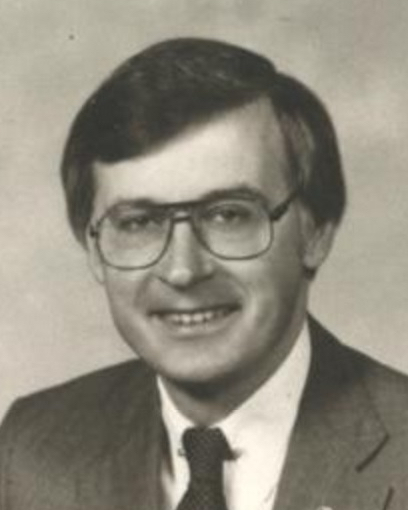
Gerald L. Baliles
Former Governor of Virginia · 1986–1990 · Democratic
Gerald L. Baliles served as Governor of Virginia (1986–1990) for the Democratic party. The page below collects sourced biographical facts, term history, and provenance for Baliles.
Key facts
- Full name
- Gerald L. Baliles
- Office
- Governor of Virginia
- State
- Virginia
- Party
- Democratic
- Tenure
- 1986–1990
- Took office
- 1986
- Terms recorded
- 1
- Status
- Left office
- Current term ends
- —
- Born
- 1940
- Dataset version
- 1.20260608
Biographical narrative
891 words · sourced from the Wikipedia REST extract
Gerald L. Baliles was an American lawyer and politician who served as the 65th Governor of Virginia from 1986 to 1990. A member of the Democratic Party, Baliles's political career was marked by significant contributions to the state's infrastructure, education, and economic development. He previously held the position of Attorney General of Virginia and served in the Virginia House of Delegates. Following his governorship, he directed the Miller Center of Public Affairs at the University of Virginia, furthering his commitment to public service and education.
Early life and career
Gerald Lee Baliles was born on July 8, 1940, in Patrick County, Virginia, a rural area near the town of Stuart. His early life was shaped by family circumstances, as he and his brother Larry were raised by their grandparents after their parents divorced. Another brother, Stuart, was raised by an aunt and uncle. Baliles's formative years occurred during a period of significant social upheaval in Virginia, particularly during the era known as Massive Resistance, which included school closures in various counties. This environment influenced his educational choices, leading him to attend Fishburne Military School in Waynesboro, Virginia.
Baliles pursued higher education at Wesleyan University in Connecticut, where he earned a bachelor's degree in government in 1963. He later attended the University of Virginia School of Law in Charlottesville, obtaining his Juris Doctor degree in 1967. After being admitted to the Virginia bar, Baliles began his legal career as an assistant attorney general in Richmond, where he developed expertise in environmental law. His dedication and skills led to a promotion to Deputy Attorney General, a position he held for three years until 1975.
In the political arena, Baliles became involved with the Democratic Party, serving as the secretary of Richmond's Democratic committee in 1971. He transitioned to a legislative role in 1975, winning a seat in the Virginia House of Delegates, where he represented Richmond and Henrico County. During his tenure in the General Assembly, he was re-elected multiple times and served on various committees, including those focused on corporations, insurance, banking, and agriculture. His involvement in the legal community extended to active participation in the American Bar Association, the Virginia Bar Association, and the Richmond Bar Association, where he chaired the Virginia Model Judiciary Program from 1975 to 1977.
Governorship
Baliles's political career advanced significantly when he ran for the office of Attorney General of Virginia in 1981. He was elected on a ticket with Chuck Robb, who became Virginia's 64th Governor. Baliles's performance in this role earned him recognition as an Outstanding Attorney General. He resigned from the position to campaign for governor, leading to the appointment of his chief deputy as his temporary successor.
In 1985, Baliles successfully ran for governor, winning both the Democratic primary and the general election. His campaign was notable for its diversity, featuring Douglas Wilder as Lieutenant Governor and Mary Sue Terry as Attorney General, both of whom made history in their respective roles. Baliles secured a significant portion of the vote, becoming the 65th Governor of Virginia.
During his tenure from 1986 to 1990, Baliles focused on several key areas, including transportation, education, and economic development. He became known as a proponent of improving Virginia's transportation infrastructure, guiding a substantial revenue package through the General Assembly to enhance the state's transportation system. This included advocating for increased gasoline taxes and the implementation of toll roads, which earned him the moniker "transportation governor."
Baliles's administration also prioritized education, emphasizing the importance of lifelong learning and skill acquisition. He initiated efforts to increase faculty salaries for higher education teachers, making Virginia's compensation competitive within the region. His administration convened annual meetings of educators and officials to develop a flexible educational system accessible to all Virginians, including those from rural areas.
Under Baliles's leadership, Virginia experienced significant economic growth, with the creation of approximately 300,000 jobs and a rise in per-capita income, positioning the state as one of the highest in the South. Despite facing a national recession in the final year of his term, Baliles's popularity contributed to the narrow election of Douglas Wilder as governor in 1989, marking a continuation of Democratic leadership in the state.
Policy focus and legacy
Baliles's governorship is characterized by a commitment to modernizing Virginia's infrastructure and enhancing its economic competitiveness. His focus on transportation reform led to substantial investments aimed at improving the state's roadways and public transit systems. The revenue package he championed was a significant legislative achievement that reflected his dedication to addressing the state's transportation challenges.
In the realm of education, Baliles's initiatives aimed to elevate the quality of higher education in Virginia. By increasing faculty salaries and fostering collaboration among educational institutions, he sought to create a system that would meet the needs of a diverse population. His emphasis on lifelong learning and skill development resonated with the changing economic landscape and the demands of a modern workforce.
Baliles's legacy extends beyond his time in office, as he continued to engage in public service and education after leaving the governorship. He directed the Miller Center of Public Affairs at the University of Virginia from 2006 to 2014, contributing to the discourse on public policy and governance. His career reflects a dedication to the principles of public service, legal advocacy, and educational advancement, leaving a lasting impact on the Commonwealth of Virginia.
Notable legislation
Sponsored and co-sponsored legislation for Gerald L. Baliles is pending operator curation. The biographical narrative above carries the same provenance trail until per-bill rows are written.
Sources
- [1]https://en.wikipedia.org/wiki/Gerald_BalilesWikipedia · retrieved 2026-06-08
Notable quotes
Sourced quotes for Gerald L. Baliles are pending operator curation. Narrative-scope provenance remains attached below.
Sources
- [1]https://en.wikipedia.org/wiki/Gerald_BalilesWikipedia · retrieved 2026-06-08
Key positions
Curated policy positions for Gerald L. Baliles are pending operator review. The biographical narrative above carries the same provenance trail until per-topic positions are written.
Sources
- [1]https://en.wikipedia.org/wiki/Gerald_BalilesWikipedia · retrieved 2026-06-08
Terms served
- 1986–1990Governor of Virginia · Term 1 · Democratic
Sources & provenance
Every attributable claim above carries a per-section [N] marker that resolves to the corresponding URL below. Each entry records the upstream provider, the canonical URL, and the timestamp at which the source was retrieved by the ingest pipeline.
Key facts
- https://www.wikidata.org/wiki/Q880701wikidata · retrieved 2026-06-08
- https://ballotpedia.org/Gerald_L._Balilesballotpedia · retrieved 2026-06-08
Biographical narrative
- https://en.wikipedia.org/wiki/Gerald_Balileswikipedia · retrieved 2026-06-08
Explore governors
Every U.S. state elects a governor. Browse Virginia’s gubernatorial lineage, the full roster of sitting governors, or Virginia’s federal candidates.