
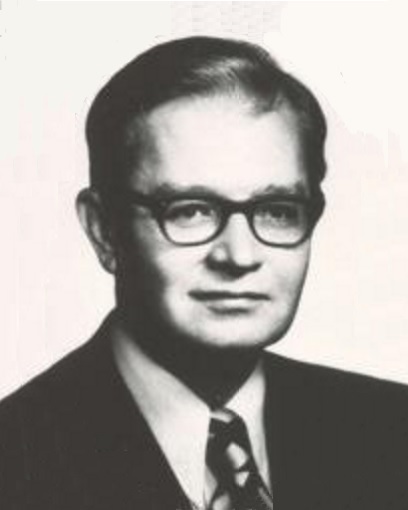
Former · State Senate · Virginia
Henry Howell
Former State Senator · Virginia · District 2 · Democratic
Henry Howell served as a State Senator in the Virginia State Senate, representing District 2 for the Democratic party. The page below collects sourced biographical facts, the seat and district served, and provenance for Howell.
Key facts
- Full name
- Henry Howell
- Office
- State Senator
- Chamber
- Virginia State Senate
- State
- Virginia
- District
- District 2
- Party
- Democratic
- Status
- Left office
- Born
- 1920
- OpenStates ID
- —
- Dataset version
- 1.20260610
Biographical narrative
933 words · sourced from the Wikipedia REST extract
Henry Howell was a prominent American lawyer and politician from Virginia, known for his progressive populist views and his affiliation with the Democratic Party. He served as a member of the Virginia state senate, representing District 2. Howell's political career spanned several decades, during which he became a notable figure in Virginia's political landscape, particularly for his advocacy of civil rights and his challenges to the established political order.
Early life and career
Henry Evans Howell Jr. was born on September 5, 1920, in Norfolk, Virginia. He grew up in the area, attending local public schools where he began to develop an interest in civic engagement and public service. Howell pursued higher education at Old Dominion College, where he completed his undergraduate studies. He furthered his education in law at the University of Virginia, earning a Bachelor of Laws degree. This academic background laid the foundation for his future career as a lawyer and politician.
Howell's entry into the political arena began in 1949 when he became involved in the campaign of Francis Pickens Miller, who was running for governor against John S. Battle in the Democratic primary. Although Miller lost the primary, Howell's engagement in this campaign marked the beginning of his long-standing commitment to political activism. He continued to work on various political campaigns, including managing Miller's unsuccessful bid for the U.S. Senate against the influential incumbent Harry F. Byrd in 1952.
In the following years, Howell sought to establish himself within Virginia's political framework. He ran for a seat in the Virginia House of Delegates but was unsuccessful in his initial attempts. However, during the Massive Resistance crisis in the late 1950s, Howell was elected as one of Norfolk's representatives in the Virginia House of Delegates. His election occurred during a tumultuous period in Virginia's history, characterized by resistance to school desegregation mandated by federal courts. Howell's political career continued to evolve, and in 1963, he successfully won election to represent Norfolk in a newly redistricted area, District 50.
Legislative service
In 1965, Howell transitioned to the Virginia Senate, where he served as a member representing District 2. His tenure in the state legislature was marked by a commitment to progressive policies and a focus on social justice issues. Howell was known for his outspoken criticism of large corporations, particularly in the energy sector, targeting companies like Dominion Energy, which he referred to as "Very Expensive Power Company." His advocacy extended to civil rights, where he played a significant role in promoting desegregation and challenging discriminatory practices, including the state's poll tax.
Throughout his legislative career, Howell was a vocal supporter of workers' rights and often sought to repeal Virginia's right-to-work law, reflecting his belief in the importance of labor organization and fair labor practices. His progressive stance resonated with many constituents, particularly during a time when civil rights and social justice were at the forefront of national discourse.
Howell's political ambitions extended beyond the state senate. He made several attempts to secure higher office, including runs for governor. His first gubernatorial campaign occurred in 1969, where he faced off against William C. Battle for the Democratic nomination. Although he did not win the primary, Howell's political influence continued to grow. He later ran for lieutenant governor in 1971, successfully winning the position as an Independent Democrat after the death of the incumbent, J. Sargeant Reynolds. Howell's campaign slogan, "Keep the Big Boys Honest," encapsulated his populist approach and resonated with voters seeking accountability from political leaders.
In 1973, Howell made a second bid for the governorship, this time as an Independent Democrat. His campaign was characterized by grassroots efforts, including traveling in a camper to engage with voters in rural areas. Despite a narrow defeat in the general election, Howell's ability to connect with diverse voter demographics, including African Americans and rural constituents, highlighted his appeal as a populist candidate.
Policy focus and district
Throughout his legislative career, Howell's policy focus was deeply rooted in progressive ideals. He was a staunch advocate for civil rights, actively opposing the policies of massive resistance that sought to maintain racial segregation in Virginia's schools. His efforts to abolish the poll tax were part of a broader commitment to ensuring equal access to the electoral process for all citizens, particularly marginalized communities.
Howell's representation of District 2 in the Virginia Senate was characterized by his dedication to addressing the needs and concerns of his constituents. He worked to promote economic fairness and social justice, often challenging the established political and economic structures that he believed perpetuated inequality. His advocacy for workers' rights and labor organization reflected a broader commitment to social equity, aligning with the values of the Democratic Party during a transformative period in American politics.
Despite facing challenges within the political landscape, including opposition from the conservative Byrd Organization, Howell's influence persisted. His campaigns often highlighted the need for reform and accountability in government, appealing to voters who sought change in the status quo. Howell's legacy is marked by his contributions to the civil rights movement in Virginia and his efforts to dismantle the political machine that had long dominated the state's politics.
After his political career, Howell retired to Norfolk, where he lived until his death from cancer on July 7, 1997. While he did not achieve the highest office in the state, his impact on Virginia's political landscape and his role in advancing civil rights and progressive policies remain significant. Howell's life and career exemplify the complexities of political engagement during a pivotal era in American history, reflecting the ongoing struggle for social justice and equality.
Notable legislation
Sponsored and co-sponsored legislation for Henry Howell is pending operator curation. The biographical narrative above carries the same provenance trail until per-bill rows are written.
Sources
- [1]https://en.wikipedia.org/wiki/Henry_HowellWikipedia · retrieved 2026-06-10
Notable quotes
Sourced quotes for Henry Howell are pending operator curation. Narrative-scope provenance remains attached below.
Sources
- [1]https://en.wikipedia.org/wiki/Henry_HowellWikipedia · retrieved 2026-06-10
Key positions
Curated policy positions for Henry Howell are pending operator review. The biographical narrative above carries the same provenance trail until per-topic positions are written.
Sources
- [1]https://en.wikipedia.org/wiki/Henry_HowellWikipedia · retrieved 2026-06-10
Legislative service
- Virginia State SenateDistrict 2 · Democratic
Sources & provenance
Every attributable claim above carries a per-section [N] marker that resolves to the corresponding URL below. Each entry records the upstream provider, the canonical URL, and the timestamp at which the source was retrieved by the ingest pipeline.
Key facts
- https://www.wikidata.org/wiki/Q668022wikidata · retrieved 2026-06-10
- https://ballotpedia.org/Henry_Howellballotpedia · retrieved 2026-06-10
Biographical narrative
- https://en.wikipedia.org/wiki/Henry_Howellwikipedia · retrieved 2026-06-10
Explore the State Senate
Browse Virginia’s District 2 seat, the full Virginia State Senate roster, or Virginia’s federal candidates.
Related on The Candidate
- Virginia District 2Every member representing District 2 in the Virginia State Senate.Open
- Virginia State SenateThe full roster of the Virginia State Senate, by district.Open
- Virginia legislatureBoth chambers of the Virginia state legislature.Open
- Virginia federal candidatesEvery 2026 federal House and Senate candidate in Virginia.Open