
Historical · Governor · Vermont
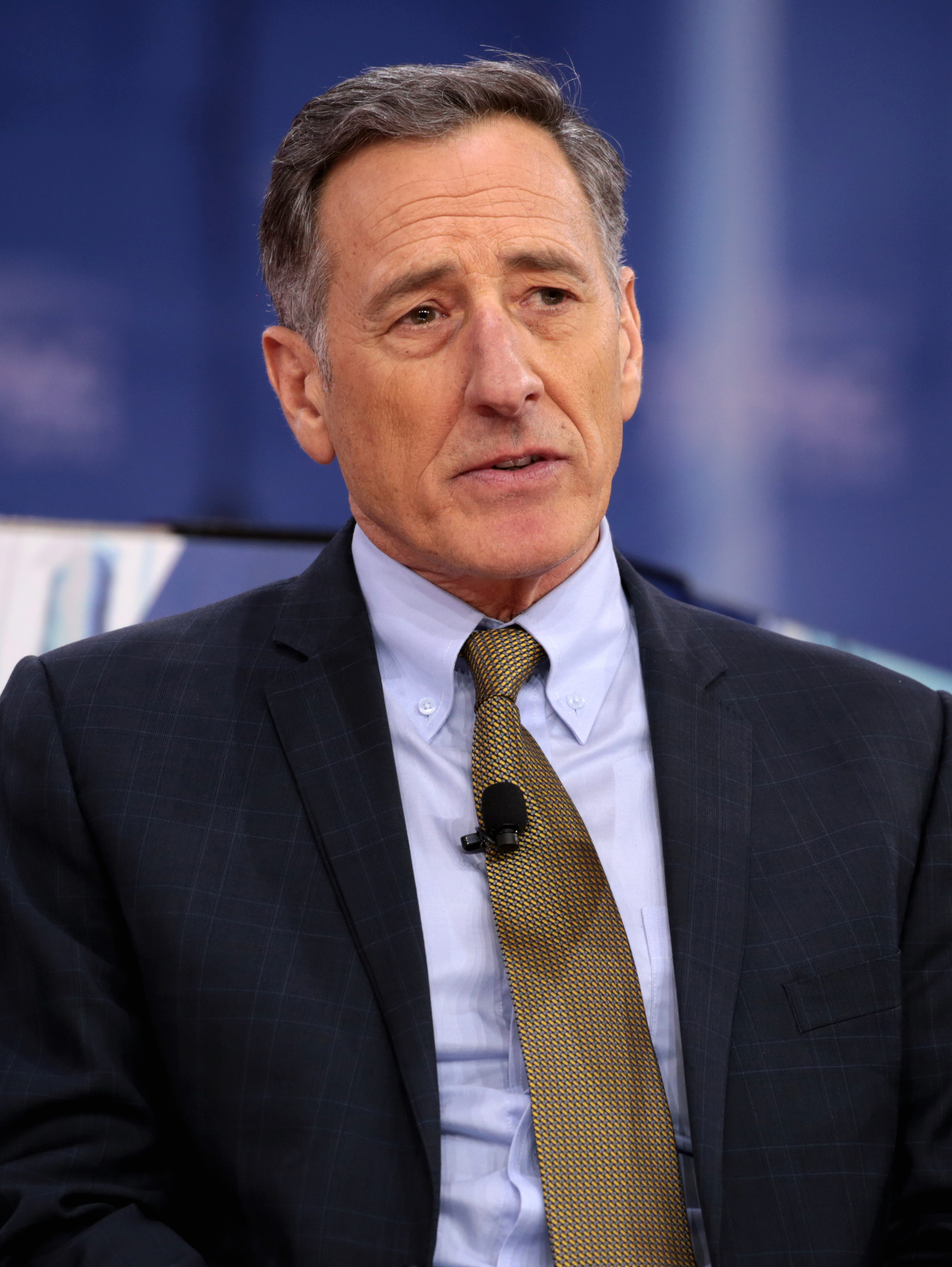
Peter Shumlin
Former Governor of Vermont · 2011–2017 · Democratic
Peter Shumlin served as Governor of Vermont (2011–2017) for the Democratic party. The page below collects sourced biographical facts, term history, and provenance for Shumlin.
Key facts
- Full name
- Peter Shumlin
- Office
- Governor of Vermont
- State
- Vermont
- Party
- Democratic
- Tenure
- 2011–2017
- Took office
- 2011
- Terms recorded
- 1
- Status
- Left office
- Current term ends
- —
- Born
- 1956
- Dataset version
- 1.20260608
Biographical narrative
871 words · sourced from the Wikipedia REST extract
Peter Shumlin is an American politician affiliated with the Democratic Party who served as the 81st governor of Vermont from 2011 to 2017. His political career spans several decades, including roles in both the Vermont House of Representatives and the Vermont Senate. Shumlin's tenure as governor was marked by significant legislative achievements, particularly in healthcare and environmental policy.
Early life and career
Peter Shumlin was born on March 24, 1956, in Brattleboro, Vermont. He attended the Buxton School in Williamstown, Massachusetts, before graduating from Wesleyan University in 1979. Following his education, Shumlin became involved in local governance, serving on the Selectboard for the town of Putney during the 1980s. His commitment to education and support for individuals with learning disabilities led to his involvement in founding Landmark College, an institution designed to provide educational opportunities for students with such challenges.
Shumlin's political career began in earnest when he was appointed by Governor Madeleine M. Kunin to fill a vacancy in the Vermont House of Representatives. He served part of one term and then completed a full term representing Putney from 1990 to 1993. In 1992, he was elected to the Vermont Senate, where he quickly rose to prominence, becoming the Minority Leader. His leadership was instrumental in the 1996 elections, where he successfully led the Senate Democrats to regain control of the chamber after four years in the minority. Following this victory, he was appointed Senate President Pro Tempore in 1997.
In 2002, Shumlin sought higher office by winning the Democratic nomination for lieutenant governor. However, he lost the general election to Republican Brian Dubie in a competitive three-way race. After this setback, Shumlin took a hiatus from politics and returned to the family business, Putney Student Travel, from 2003 to 2006. This educational firm focuses on providing travel opportunities for middle and high school students, allowing them to learn about different cultures and prepare for college.
Shumlin returned to the Vermont Senate in 2006, successfully running for his old seat after the retirement of Rod Gander. Upon his return, he was once again elected President Pro Tempore, reinforcing his influence within the state legislature.
Governorship
Shumlin announced his candidacy for governor on November 16, 2009, seeking the Democratic nomination for the 2010 election. He emerged victorious in a competitive primary held on August 24, 2010, where he received the highest number of votes among five candidates. The primary was closely contested, with Shumlin securing approximately 24.5% of the vote, narrowly defeating his nearest competitor, former Lieutenant Governor Doug Racine. Following the primary, Shumlin faced no opposition from the Vermont Progressive Party, which had agreed not to field a candidate in exchange for his support of single-payer healthcare.
In the general election on November 2, 2010, Shumlin received the most votes, achieving nearly 49.4% of the total. His main opponent, Republican Brian Dubie, garnered approximately 47.7%. Vermont's electoral rules stipulate that a candidate must receive a majority of the votes to win outright; otherwise, the Vermont General Assembly selects the winner. Dubie did not contest the General Assembly's decision, which traditionally favors the candidate with the plurality of votes. On January 6, 2011, Shumlin was officially elected governor by the General Assembly.
Shumlin was re-elected in 2012, winning the general election held on November 6 with a significant margin against Republican Randy Brock, receiving approximately 57.8% of the vote. His second term was characterized by a continued focus on progressive policies, particularly in healthcare reform.
In 2014, Shumlin sought a third term as governor. His campaign prominently featured a promise to implement a single-payer healthcare system in Vermont. The election, held on November 4, was closely contested; Shumlin received about 46.4% of the popular vote, while his opponent, Republican Scott Milne, received approximately 45.1%. Due to the lack of a majority, the Vermont General Assembly was tasked with electing the governor. On January 8, 2015, the Assembly re-elected Shumlin, affirming his position for another term.
In June 2015, Shumlin announced that he would not seek re-election in 2016, marking the end of his gubernatorial tenure.
Policy focus and legacy
During his time as governor, Peter Shumlin focused on several key policy areas, with notable achievements in healthcare and environmental legislation. One of his most significant initiatives was the push for a single-payer healthcare system in Vermont, which aimed to provide universal healthcare coverage for all residents. Although the implementation of this system faced challenges and ultimately did not come to fruition, it sparked extensive debate about healthcare reform in the state and beyond.
Shumlin also signed into law the United States' first requirement for labeling genetically modified foods, reflecting his commitment to transparency in food production and consumer rights. Additionally, he supported legislation regarding physician-assisted suicide, positioning Vermont as a leader in progressive social policies.
Throughout his governorship, Shumlin served as the chair of the Democratic Governors Association during his first two terms, further solidifying his role as a prominent figure within the national Democratic Party.
In summary, Peter Shumlin's governorship was marked by ambitious policy initiatives and a focus on progressive values. His tenure contributed to ongoing discussions about healthcare reform, environmental sustainability, and social issues in Vermont, leaving a lasting impact on the state's political landscape.
Notable legislation
Sponsored and co-sponsored legislation for Peter Shumlin is pending operator curation. The biographical narrative above carries the same provenance trail until per-bill rows are written.
Sources
- [1]https://en.wikipedia.org/wiki/Peter_ShumlinWikipedia · retrieved 2026-06-08
Notable quotes
Sourced quotes for Peter Shumlin are pending operator curation. Narrative-scope provenance remains attached below.
Sources
- [1]https://en.wikipedia.org/wiki/Peter_ShumlinWikipedia · retrieved 2026-06-08
Key positions
Curated policy positions for Peter Shumlin are pending operator review. The biographical narrative above carries the same provenance trail until per-topic positions are written.
Sources
- [1]https://en.wikipedia.org/wiki/Peter_ShumlinWikipedia · retrieved 2026-06-08
Terms served
- 2011–2017Governor of Vermont · Term 1 · Democratic
Sources & provenance
Every attributable claim above carries a per-section [N] marker that resolves to the corresponding URL below. Each entry records the upstream provider, the canonical URL, and the timestamp at which the source was retrieved by the ingest pipeline.
Key facts
- https://www.wikidata.org/wiki/Q881146wikidata · retrieved 2026-06-08
- https://ballotpedia.org/Peter_Shumlinballotpedia · retrieved 2026-06-08
Biographical narrative
- https://en.wikipedia.org/wiki/Peter_Shumlinwikipedia · retrieved 2026-06-08
Explore governors
Every U.S. state elects a governor. Browse Vermont’s gubernatorial lineage, the full roster of sitting governors, or Vermont’s federal candidates.