
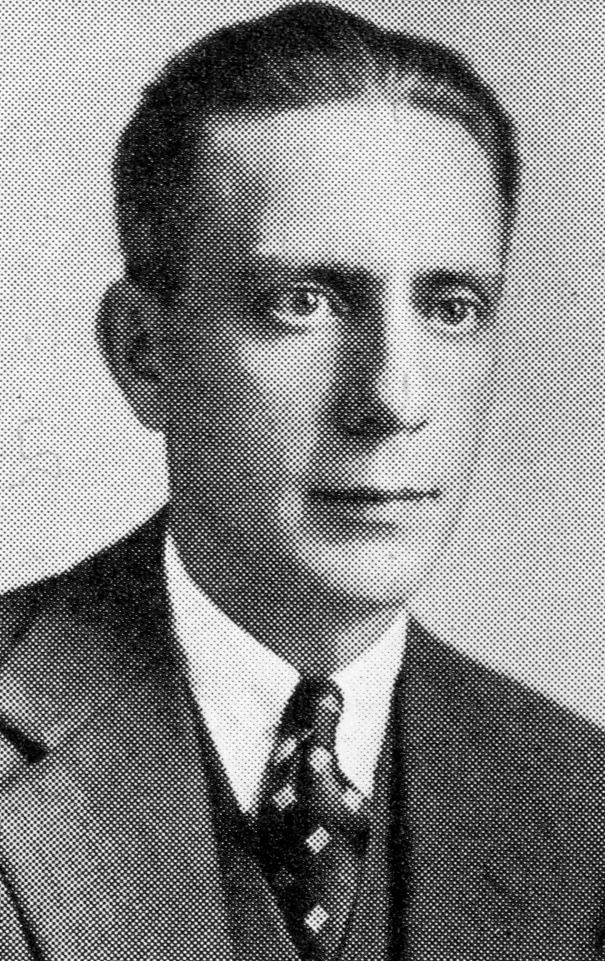
Former · State Senate · Wisconsin
Fred Risser
Former State Senator · Wisconsin · District 26 · Wisconsin Progressive Party
Fred Risser served as a State Senator in the Wisconsin State Senate, representing District 26 for the Wisconsin Progressive Party party. The page below collects sourced biographical facts, the seat and district served, and provenance for Risser.
Key facts
- Full name
- Fred Risser
- Office
- State Senator
- Chamber
- Wisconsin State Senate
- State
- Wisconsin
- District
- District 26
- Party
- Wisconsin Progressive Party
- Status
- Left office
- Born
- 1900
- OpenStates ID
- —
- Dataset version
- 1.20260610
Biographical narrative
955 words · sourced from the Wikipedia REST extract
Frederic Emanuel Risser was an American lawyer and politician known for his service as a member of the Wisconsin State Senate. He represented Wisconsin's 26th Senate District, which encompasses Dane County, and was affiliated with the Wisconsin Progressive Party. Risser's legislative career spanned from 1937 to 1949, during which he contributed to various legal and political initiatives. He was also the father of Fred A. Risser, who holds the record as the longest-serving state legislator in American history.
Early life and career
Fred Risser was born on January 15, 1900, in Buffalo, Wisconsin. His early life was marked by a blend of rural and academic experiences. After completing his education at Winona High School in Winona, Minnesota, he spent two years working on his father's farm, which likely provided him with a strong work ethic and understanding of agricultural issues that would later inform his political career.
Risser pursued higher education at the University of Wisconsin–Madison, where he earned his bachelor's degree in 1923. His academic journey continued as he obtained his Bachelor of Laws (LL.B.) in 1925, equipping him with the legal knowledge necessary for his future career. Following his graduation, Risser began his professional life in education, teaching at Beaver Dam High School for one year. This experience in education may have contributed to his understanding of community needs and the importance of public service.
In 1925, Risser transitioned into the legal field, becoming a practicing attorney in Madison, Wisconsin. He joined a law firm and eventually formed a partnership with Ernest Warner, a former state legislator. This partnership not only solidified his legal career but also connected him to the political landscape of Wisconsin. Risser's legal expertise was further complemented by his role as a lecturer on business law at Madison College from 1925 to 1930, where he shared his knowledge with students and contributed to the education of future professionals.
Risser's early involvement in local governance included serving as the town clerk of the Town of Madison from 1927 to 1928. He later took on the role of treasurer for the Highlands Mendota Beach School from 1930 to 1937. His legal acumen and commitment to public service were further demonstrated through his election as district attorney of Dane County, a position he held for three terms. His leadership in this role culminated in his presidency of the Wisconsin District Attorney's Association in 1933, showcasing his influence and standing within the legal community.
Legislative service
Fred Risser's political career took a significant turn in 1936 when he was elected to the Wisconsin State Senate, representing the 26th Senate District, which includes Dane County. His election came after a successful campaign in which he won a plurality in a three-way primary for the Progressive Party, succeeding the incumbent Harold Groves, who did not seek re-election. Risser's victory in the general election was marked by a substantial margin, reflecting the support he garnered from constituents.
During his time in the Senate, Risser served for twelve years, from 1937 until 1949. He was re-elected in 1940 and again in 1944, indicating a sustained level of support from his constituents throughout his tenure. His legislative service coincided with a period of significant political and social change in Wisconsin, as the Progressive Party was a prominent force advocating for reform and social justice during the early to mid-20th century.
Risser's political career faced challenges as the political landscape evolved. By 1948, the Wisconsin Progressives had merged back into the Republican Party, leading to a shift in the dynamics of the political environment. In that year, Risser faced a competitive primary challenge from a non-Progressive candidate. Ultimately, he was defeated in a four-way race for re-election by Gaylord Nelson, marking the end of his legislative career. Following his departure from the Senate, Risser continued to practice law, maintaining his connection to the legal field and contributing to his community.
In addition to his legislative work, Risser was active in national politics as well. He served as a delegate to the 1952 Republican National Convention, representing Wisconsin's 2nd congressional district. His commitment to the party was evident as he arrived at the convention pledged to support Earl Warren, reflecting his ongoing engagement in political matters beyond state-level issues.
Policy focus and district
Throughout his legislative career, Fred Risser's policy focus was shaped by the principles of the Wisconsin Progressive Party, which emphasized social reform, government accountability, and the promotion of civil rights. While specific legislative initiatives he championed during his tenure are not detailed in the available information, it can be inferred that his background as a lawyer and district attorney would have influenced his approach to lawmaking and public policy.
Representing Wisconsin's 26th Senate District, Risser was in a position to address a variety of issues pertinent to his constituents in Dane County. This area includes the state capital, Madison, which is known for its vibrant political culture and active civic engagement. As a senator, Risser would have been involved in discussions and decisions impacting education, public safety, and community welfare, among other topics.
Risser's legacy is further highlighted through his family connections. His son, Fred A. Risser, followed in his footsteps and became a prominent figure in Wisconsin politics. Fred A. Risser served six years in the Wisconsin State Assembly before transitioning to the Wisconsin State Senate, where he served for an unprecedented 58 years. This familial connection underscores the Risser family's long-standing involvement in public service and their influence on Wisconsin's political landscape.
Fred Risser passed away on September 1, 1971. His contributions to Wisconsin's legislative history and his role in the Progressive movement remain significant, reflecting a commitment to public service and the principles of justice and reform that characterized his career.
Notable legislation
Sponsored and co-sponsored legislation for Fred Risser is pending operator curation. The biographical narrative above carries the same provenance trail until per-bill rows are written.
Sources
- [1]https://en.wikipedia.org/wiki/Fred_Risser_(Progressive_politician)Wikipedia · retrieved 2026-06-10
Notable quotes
Sourced quotes for Fred Risser are pending operator curation. Narrative-scope provenance remains attached below.
Sources
- [1]https://en.wikipedia.org/wiki/Fred_Risser_(Progressive_politician)Wikipedia · retrieved 2026-06-10
Key positions
Curated policy positions for Fred Risser are pending operator review. The biographical narrative above carries the same provenance trail until per-topic positions are written.
Sources
- [1]https://en.wikipedia.org/wiki/Fred_Risser_(Progressive_politician)Wikipedia · retrieved 2026-06-10
Legislative service
- Wisconsin State Senate1937–1949District 26 · Wisconsin Progressive Party
Sources & provenance
Every attributable claim above carries a per-section [N] marker that resolves to the corresponding URL below. Each entry records the upstream provider, the canonical URL, and the timestamp at which the source was retrieved by the ingest pipeline.
Key facts
- https://www.wikidata.org/wiki/Q5496148wikidata · retrieved 2026-06-10
- https://ballotpedia.org/Fred_Risserballotpedia · retrieved 2026-06-10
Biographical narrative
- https://en.wikipedia.org/wiki/Fred_Risser_(Progressive_politician)wikipedia · retrieved 2026-06-10
Explore the State Senate
Browse Wisconsin’s District 26 seat, the full Wisconsin State Senate roster, or Wisconsin’s federal candidates.
Related on The Candidate
- Wisconsin District 26Every member representing District 26 in the Wisconsin State Senate.Open
- Wisconsin State SenateThe full roster of the Wisconsin State Senate, by district.Open
- Wisconsin legislatureBoth chambers of the Wisconsin state legislature.Open
- Wisconsin federal candidatesEvery 2026 federal House and Senate candidate in Wisconsin.Open