
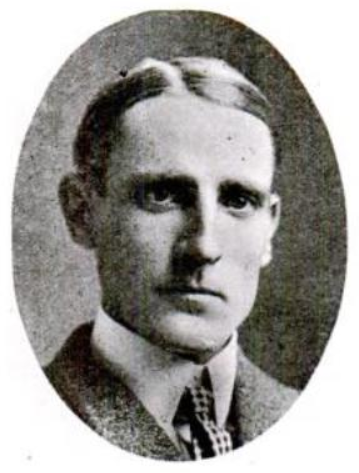
Historical · U.S. House · Alabama · District 5
William Bowling
Former U.S. Representative · Alabama District 5 · 1919–1929 · Democratic
William Bowling represented Alabama's District 5 in the United States House of Representatives (1919–1929) for the Democratic party. The page below collects sourced biographical facts, term history, committee roles, and provenance for Bowling.
Bioguide ID: B000702
Key facts
- Full name
- William Bowling
- State
- Alabama
- District
- District 5
- Party
- Democratic
- House service
- 1919–1929
- First House term
- 1919
- Status
- Left office
- Current term ends
- —
- Born
- 1870
- Bioguide ID
- B000702
- Committee assignments
- —
- Dataset version
- 1.20260606
Biographical narrative
906 words · sourced from the Wikipedia REST extract
William Bismarck Bowling was a prominent figure in early 20th-century American politics, serving as a U.S. Representative from Alabama's 5th congressional district. A member of the Democratic Party, Bowling's congressional career spanned from 1919 until 1928, during which he was involved in various legislative activities and served in a significant judicial role following his time in Congress. His life and career reflect the political landscape of the era, as well as his contributions to both education and law in Alabama.
Early life and career
William Bismarck Bowling was born on September 24, 1870, in Iron City, Calhoun County, Alabama. He was the son of William and Sarah Elston Bowling. Growing up in Alabama, Bowling received his early education in the common schools of the region. He demonstrated a commitment to education, which led him to pursue further studies at the State Normal School in Jacksonville, Alabama, where he graduated in 1892. This educational foundation would later inform his professional endeavors.
After completing his education, Bowling began his career in education, teaching in public schools in Montgomery, Alabama, from 1893 to 1895. He then moved to Columbus, Georgia, where he continued to teach from 1896 until 1899. His experiences in education likely shaped his views on public service and the importance of accessible education for all citizens.
In 1899, Bowling relocated to LaFayette, Alabama, where he shifted his focus from teaching to the study of law. He was admitted to the bar in 1900, marking the beginning of his legal career. Bowling commenced his legal practice in LaFayette, where he quickly established himself in the community. In 1902, he moved to Dadeville, Alabama, where he continued to practice law for the next twelve years. His legal expertise and community involvement led to his appointment as solicitor of the fifth judicial circuit of Alabama, a position he held from 1905 until 1920. This role allowed him to gain significant experience in the legal system and further solidified his reputation as a dedicated public servant.
In addition to his legal career, Bowling was active in educational governance. He served as a member of the board of trustees for the Alabama Polytechnic Institute at Auburn, reflecting his ongoing commitment to education and the development of future generations.
House tenure
Bowling's political career began in earnest when he was elected as a Democrat to the Sixty-sixth Congress to fill a vacancy created by the resignation of J. Thomas Heflin. His election marked the beginning of a significant tenure in the U.S. House of Representatives. He was officially sworn into office on December 14, 1920, and he quickly became an active participant in legislative matters.
Bowling was reelected to the Sixty-seventh Congress and subsequently to three additional Congresses, serving a total of five terms in the House. His tenure in Congress lasted until his resignation on August 16, 1928. During this time, he was involved in various legislative initiatives and contributed to discussions on issues pertinent to his constituents and the nation as a whole.
Bowling's decision to resign from Congress was influenced by his appointment as a judge for the fifth judicial circuit of Alabama. This transition from legislative to judicial responsibilities marked a significant shift in his career, allowing him to continue serving the public in a different capacity. His experience in Congress likely informed his judicial decisions and approach to the law.
Legislative focus and committees
During his time in the House of Representatives, Bowling's legislative focus encompassed a range of issues relevant to his constituents and the broader national context. While specific details regarding the bills he sponsored or voted on are not provided, it is clear that his background in law and education influenced his approach to legislation. As a member of the Democratic Party during a time of significant political change in the United States, Bowling would have been involved in discussions surrounding economic policies, social issues, and the role of government in addressing the needs of citizens.
Bowling's legal background likely provided him with a unique perspective on legislative matters, particularly those related to the judicial system and education. His experience as a solicitor and his involvement in educational governance may have shaped his views on the importance of legal reform and the need for accessible education.
In addition to his legislative work, Bowling's role on various committees would have further defined his contributions to Congress. While specific committee assignments are not detailed, it is common for representatives to serve on committees that align with their interests and expertise. These committees play a crucial role in shaping legislation and overseeing government functions, and Bowling's participation would have allowed him to influence policy decisions in areas important to his constituents.
Bowling's commitment to public service extended beyond his time in Congress. After resigning from the House, he continued to serve as a judge for the fifth judicial circuit of Alabama until his death. This role allowed him to apply his legal knowledge and experience in a judicial capacity, further contributing to the legal framework of Alabama.
William Bismarck Bowling passed away on December 27, 1946, in LaFayette, Alabama. He was interred in LaFayette Cemetery, leaving behind a legacy of public service and dedication to the legal and educational systems in Alabama. His life and career reflect the complexities of American politics in the early 20th century and the enduring impact of individuals committed to serving their communities through various avenues of public service.
Notable legislation
Sponsored and co-sponsored legislation for William Bowling is pending operator curation. The biographical narrative above carries the same provenance trail until per-bill rows are written.
Sources
- [1]https://en.wikipedia.org/wiki/William_B._BowlingWikipedia · retrieved 2026-06-06
Notable quotes
Sourced quotes for William Bowling are pending operator curation. Narrative-scope provenance remains attached below.
Sources
- [1]https://en.wikipedia.org/wiki/William_B._BowlingWikipedia · retrieved 2026-06-06
Key positions
Curated policy positions for William Bowling are pending operator review. The biographical narrative above carries the same provenance trail until per-topic positions are written.
Sources
- [1]https://en.wikipedia.org/wiki/William_B._BowlingWikipedia · retrieved 2026-06-06
Terms served
- 1919–1921U.S. House · Term 1 · Democratic
- 1921–1923U.S. House · Term 2 · Democratic
- 1923–1925U.S. House · Term 3 · Democratic
- 1925–1927U.S. House · Term 4 · Democratic
- 1927–1929U.S. House · Term 5 · Democratic
Sources & provenance
Every attributable claim above carries a per-section [N] marker that resolves to the corresponding URL below. Each entry records the upstream provider, the canonical URL, and the timestamp at which the source was retrieved by the ingest pipeline.
Key facts
- https://bioguide.congress.gov/search/bio/B000702bioguide · retrieved 2026-06-06
- https://www.govtrack.us/congress/members/401664govtrack · retrieved 2026-06-06
Biographical narrative
- https://en.wikipedia.org/wiki/William_B._Bowlingwikipedia · retrieved 2026-06-06
Find your representative
Every U.S. state elects representatives by district. Browse Alabama’s delegation, the full former-representative roster, or explore the role and term length.
Related on The Candidate
- Preceded by Charles ThompsonEarlier holder of the Alabama District 5 House seat · Democratic.Open
- Succeeded by Joe StarnesLater holder of the Alabama District 5 House seat · Democratic.Open
- Alfred BuckFormer U.S. Representative · Alabama District 1 · RepublicanOpen
- Benjamin TurnerFormer U.S. Representative · Alabama District 1 · RepublicanOpen
- Bradley ByrneFormer U.S. Representative · Alabama District 1 · RepublicanOpen
- Edmund DarganFormer U.S. Representative · Alabama District 1 · DemocraticOpen