
Historical · U.S. House · California · District 14
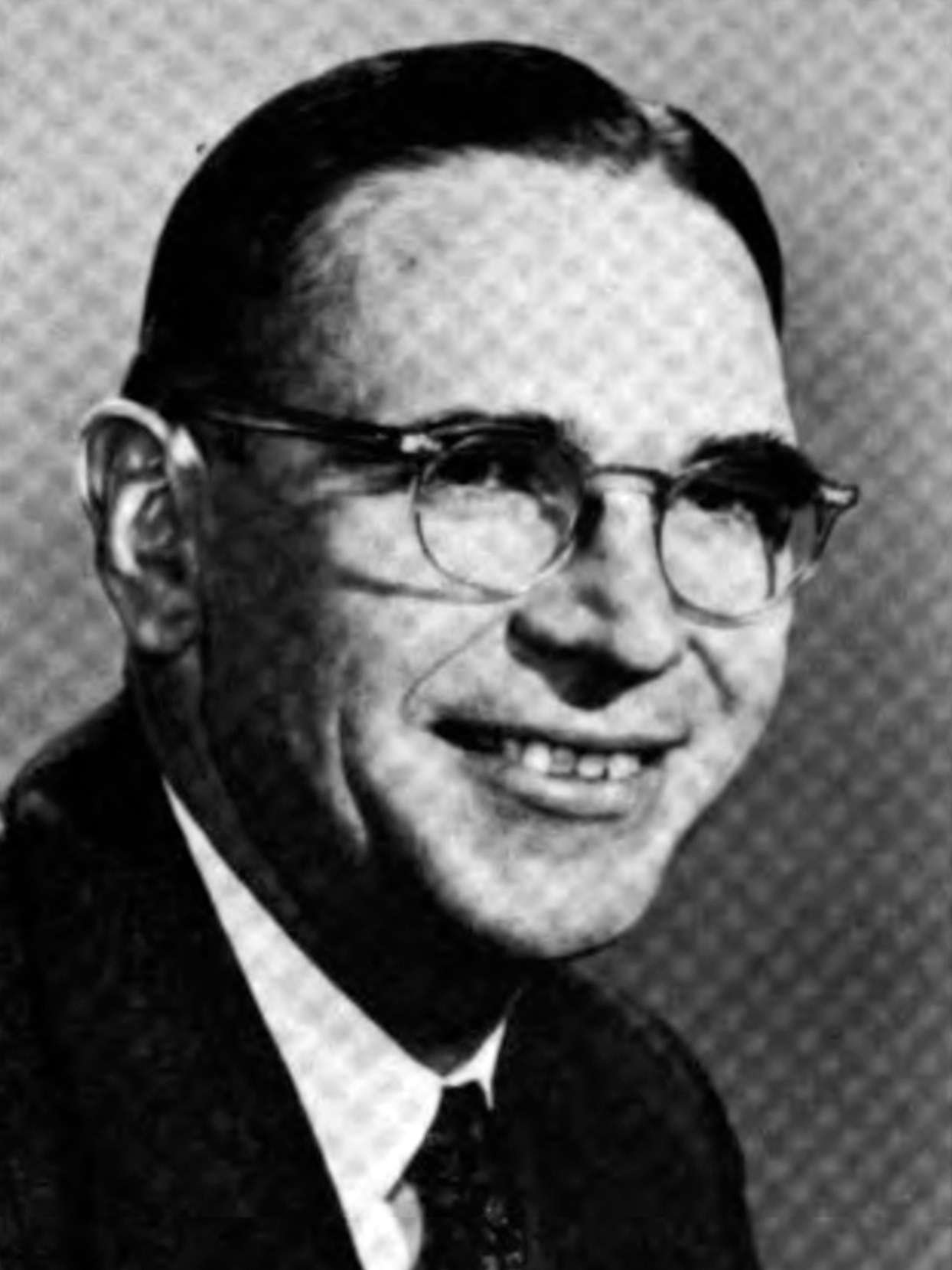
John Baldwin Jr.
Former U.S. Representative · California District 14 · 1955–1967 · Republican
John Baldwin Jr. represented California's District 14 in the United States House of Representatives (1955–1967) for the Republican party. The page below collects sourced biographical facts, term history, committee roles, and provenance for Jr..
Bioguide ID: B000092
Key facts
- Full name
- John Baldwin Jr.
- State
- California
- District
- District 14
- Party
- Republican
- House service
- 1955–1967
- First House term
- 1955
- Status
- Left office
- Current term ends
- —
- Born
- 1915
- Bioguide ID
- B000092
- Committee assignments
- —
- Dataset version
- 1.20260605
Biographical narrative
853 words · sourced from the Wikipedia REST extract
John Baldwin Jr. was a prominent American lawyer and military officer who served as a U.S. Representative for California's 14th congressional district from 1955 until his death in 1966. A member of the Republican Party, Baldwin was known for his involvement in significant legislative actions during a transformative period in American history, particularly in relation to civil rights. His career was marked by a commitment to public service and a focus on issues that shaped the nation during the mid-20th century.
Early life and career
John Baldwin Jr. was born on June 28, 1915, in Oakland, California, to John Finley Baldwin and Nellie Linekin. He grew up in the San Francisco Bay Area and completed his secondary education at San Ramon Valley High School in Danville, California. Following high school, Baldwin pursued higher education at the University of California, Berkeley, where he majored in accounting and finance. He graduated in 1935 and began his professional career as the assistant manager of South-Western Publishing Company in San Francisco.
Baldwin's career was interrupted by World War II, during which he joined the U.S. Army in 1941. He served in various financial roles, including as a training director at the Army Finance School and later with the Office of Fiscal Director. His military service was marked by a rapid rise through the ranks, and he attained the rank of lieutenant colonel before his discharge in 1946. After returning from military service, Baldwin resumed his education at UC Berkeley, this time focusing on law. He graduated from Boalt Hall School of Law in 1949, after which he began practicing law.
In December 1944, Baldwin married Mary Isaacs at the Presidio of San Francisco. At the time of their marriage, he was serving as a major in the Army, and Mary was working as a secretary. This partnership would support Baldwin's public life and career as he transitioned into politics.
House tenure
Baldwin's political career began when he was elected to the U.S. House of Representatives in 1954 as a member of the Republican Party. He officially took office on January 3, 1955. Over the course of his tenure, Baldwin was re-elected five times, serving a total of six terms in Congress. His time in office coincided with a period of significant social and political change in the United States, particularly regarding civil rights and social justice issues.
Throughout his congressional career, Baldwin was known for his active participation in legislative matters. He voted in favor of several key pieces of legislation aimed at advancing civil rights, including the Civil Rights Acts of 1957, 1960, and 1964. These acts were crucial in addressing racial discrimination and promoting equal rights for all citizens. Baldwin also supported the 24th Amendment to the U.S. Constitution, which prohibited poll taxes in federal elections, and the Voting Rights Act of 1965, which aimed to eliminate barriers to voting for African Americans.
Baldwin's commitment to civil rights was indicative of the broader trends within the Republican Party during the 1960s, as many members sought to align themselves with the growing civil rights movement. His legislative actions reflected a dedication to ensuring that all Americans had access to the fundamental rights and privileges guaranteed by the Constitution.
Baldwin's congressional career came to an untimely end when he passed away from cancer on March 9, 1966, at Bethesda Naval Hospital. He was 50 years old at the time of his death. His contributions to American politics and his advocacy for civil rights left a lasting impact on his constituents and the nation.
Legislative focus and committees
During his time in the U.S. House of Representatives, Baldwin was involved in various committees and legislative initiatives that reflected his interests and the needs of his constituents. While specific committee assignments are not detailed in the available records, it is common for members of Congress to serve on committees that align with their expertise and the priorities of their districts. Given Baldwin's background in finance and law, it is likely that he participated in committees related to financial oversight, legal affairs, and social issues.
Baldwin's legislative focus was heavily influenced by the social changes occurring in the United States during the 1950s and 1960s. His support for civil rights legislation demonstrated a commitment to addressing systemic inequalities and promoting social justice. This focus was particularly relevant during a time when the nation was grappling with issues of race, voting rights, and discrimination.
In addition to his legislative work, Baldwin's legacy is reflected in various public honors established in his name. John F. Baldwin Elementary School in Danville, California, and John F. Baldwin Park in Concord were both named to honor his contributions to the community and his service as a public official. Furthermore, the John F. Baldwin Shipping Channel is named after him, highlighting his influence on local infrastructure and development.
Baldwin's career in Congress was characterized by a dedication to public service and a willingness to engage with the pressing issues of his time. His legislative actions and commitment to civil rights continue to be recognized as part of his enduring legacy in American politics.
Notable legislation
Sponsored and co-sponsored legislation for John Baldwin Jr. is pending operator curation. The biographical narrative above carries the same provenance trail until per-bill rows are written.
Sources
- [1]https://en.wikipedia.org/wiki/John_F._Baldwin_Jr.Wikipedia · retrieved 2026-06-05
Notable quotes
Sourced quotes for John Baldwin Jr. are pending operator curation. Narrative-scope provenance remains attached below.
Sources
- [1]https://en.wikipedia.org/wiki/John_F._Baldwin_Jr.Wikipedia · retrieved 2026-06-05
Key positions
Curated policy positions for John Baldwin Jr. are pending operator review. The biographical narrative above carries the same provenance trail until per-topic positions are written.
Sources
- [1]https://en.wikipedia.org/wiki/John_F._Baldwin_Jr.Wikipedia · retrieved 2026-06-05
Terms served
- 1955–1957U.S. House · Term 1 · Republican
- 1957–1959U.S. House · Term 2 · Republican
- 1959–1961U.S. House · Term 3 · Republican
- 1961–1963U.S. House · Term 4 · Republican
- 1963–1965U.S. House · Term 5 · Republican
- 1965–1967U.S. House · Term 6 · Republican
Sources & provenance
Every attributable claim above carries a per-section [N] marker that resolves to the corresponding URL below. Each entry records the upstream provider, the canonical URL, and the timestamp at which the source was retrieved by the ingest pipeline.
Key facts
- https://bioguide.congress.gov/search/bio/B000092bioguide · retrieved 2026-06-05
- https://www.govtrack.us/congress/members/401094govtrack · retrieved 2026-06-05
Biographical narrative
- https://en.wikipedia.org/wiki/John_F._Baldwin_Jr.wikipedia · retrieved 2026-06-05
Find your representative
Every U.S. state elects representatives by district. Browse California’s delegation, the full former-representative roster, or explore the role and term length.
Related on The Candidate
- Preceded by Helen DouglasEarlier holder of the California District 14 House seat · Democratic.Open
- Succeeded by Norman ShumwayLater holder of the California District 14 House seat · Republican.Open
- Barclay HenleyFormer U.S. Representative · California District 1 · DemocraticOpen
- Charles ClaytonFormer U.S. Representative · California District 1 · RepublicanOpen
- Clarence LeaFormer U.S. Representative · California District 1 · DemocraticOpen
- Clement MillerFormer U.S. Representative · California District 1 · DemocraticOpen