
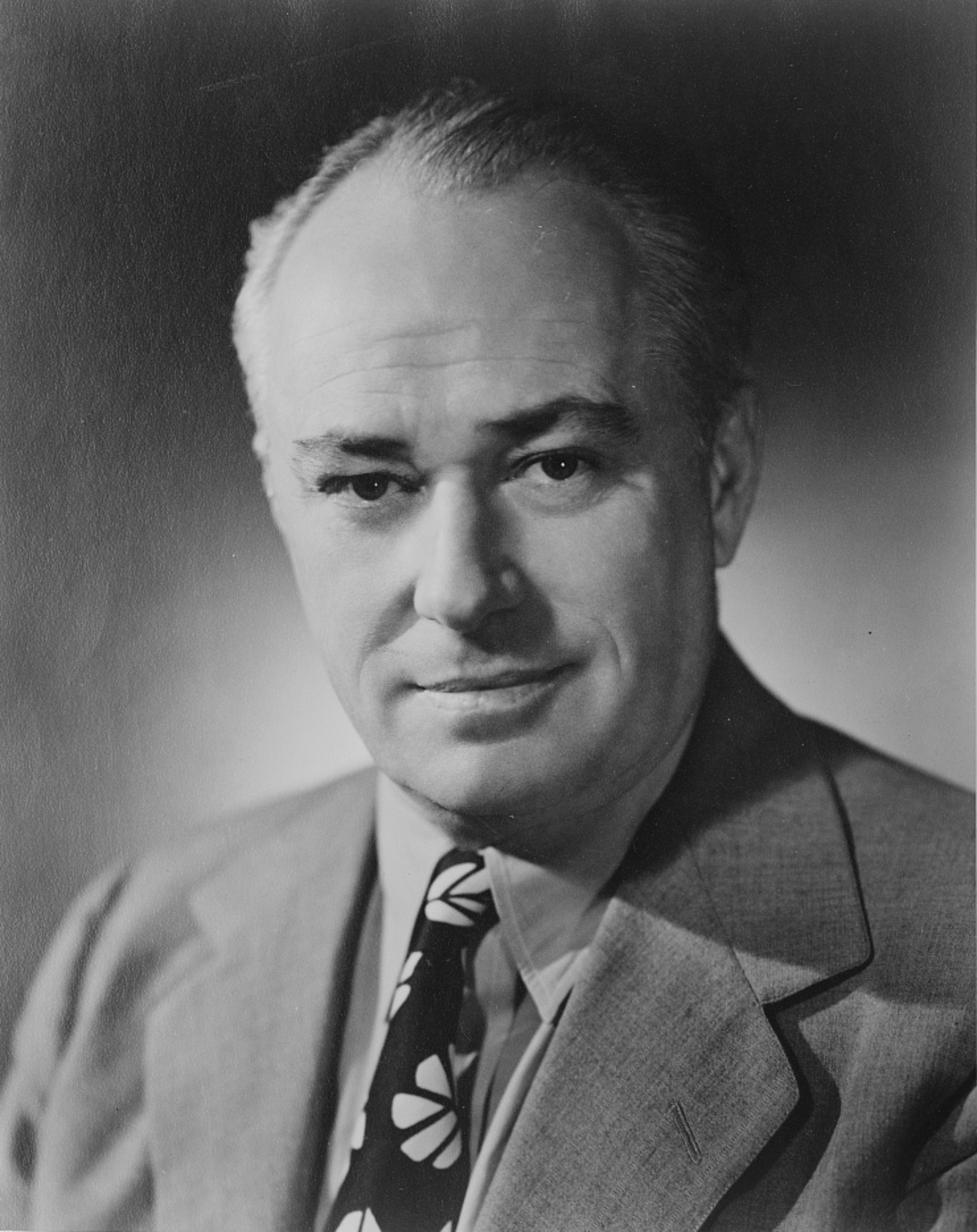
Historical · U.S. House · Hawaii · At-Large
Joseph Farrington
Former U.S. Representative · Hawaii At-Large · 1943–1955 · Republican
Joseph Farrington represented Hawaii's At-Large in the United States House of Representatives (1943–1955) for the Republican party. The page below collects sourced biographical facts, term history, committee roles, and provenance for Farrington.
Bioguide ID: F000034
Key facts
- Full name
- Joseph Farrington
- State
- Hawaii
- District
- At-Large
- Party
- Republican
- House service
- 1943–1955
- First House term
- 1943
- Status
- Left office
- Current term ends
- —
- Born
- 1897
- Bioguide ID
- F000034
- Committee assignments
- —
- Dataset version
- 1.20260605
Biographical narrative
914 words · sourced from the Wikipedia REST extract
Joseph Farrington was an American newspaper editor and politician who served as a U.S. Representative for the Territory of Hawai'i. A member of the Republican Party, he held office in Congress from 1943 until his death in 1954, representing the at-large district of Hawai'i. Farrington was an advocate for Hawaiian statehood and played a significant role in the political landscape of the territory during a transformative period in its history.
Early life and career
Joseph Rider Farrington was born on October 15, 1897, in Washington, D.C. He was the son of Wallace Rider Farrington, who later became the Territorial Governor of Hawai'i. When he was an infant, his family relocated to Honolulu, where his father worked as an editor for local newspapers, including the Honolulu Advertiser and the Honolulu Star-Bulletin. Growing up in this environment, Farrington was exposed to journalism and politics from an early age.
Farrington attended Punahou School, a prestigious educational institution in Honolulu, before pursuing higher education at the University of Wisconsin. His academic journey was interrupted in June 1918 when he enlisted in the United States Army during World War I. He was commissioned as a second lieutenant in the field artillery in September 1918 and served until his discharge in December of that year. Following his military service, he returned to the University of Wisconsin–Madison, where he completed his degree in 1919.
Upon graduating, Farrington began his career in journalism as a reporter for the Public Ledger in Philadelphia. He spent three years working in the newspaper's Washington bureau, gaining valuable experience in political reporting. After this stint on the mainland, he returned to Honolulu to continue in the family tradition of newspaper work. He joined the Honolulu Star-Bulletin, where he initially served as a reporter before advancing to the role of editor. In 1939, he succeeded his father as president and general manager of the Honolulu Star-Bulletin, a position he held until his death.
Farrington's early career in journalism laid the groundwork for his later political endeavors. His involvement in local media provided him with insights into the issues facing Hawai'i and helped him build a network of connections that would prove beneficial in his political career.
House tenure
Farrington's political career began in earnest in 1933 when he took on the role of secretary to the Hawai'i Legislative Commission. His formal entry into politics came the following year when he was elected to the Hawaii Territorial Senate, serving in this capacity until 1942. His experience in the territorial legislature prepared him for the next step in his political journey.
On January 3, 1943, Farrington was sworn in as a Republican delegate to the United States Congress, representing the Territory of Hawai'i. During his tenure, he served a total of six terms in the House of Representatives. As a delegate, he participated in congressional discussions and advocated for the interests of Hawai'i, particularly in the context of the territory's push for statehood. His role was significant during a time when the political landscape was shifting, and the desire for statehood was gaining momentum among Hawai'i's residents.
Farrington's congressional service coincided with World War II and the post-war era, a period that saw significant changes in U.S. territories and their relationship with the federal government. He was involved in various legislative efforts aimed at improving the conditions and governance of the territory. His commitment to Hawaiian statehood was a defining aspect of his time in office, as he worked to lay the groundwork for Hawai'i's eventual admission to the Union.
Farrington's tenure in the House of Representatives came to an end with his death on June 19, 1954, in Washington, D.C. He passed away from an apparent heart attack while still in office. His contributions to the political landscape of Hawai'i were recognized posthumously, and his wife, Elizabeth P. Farrington, was elected to succeed him in Congress.
Legislative focus and committees
Throughout his time in Congress, Joseph Farrington focused on several key issues that were pertinent to the residents of Hawai'i and the broader national context. His advocacy for Hawaiian statehood was a central theme of his legislative agenda. He recognized the importance of statehood for the people of Hawai'i, believing it would provide them with greater representation and autonomy within the federal system.
Farrington's legislative efforts were also influenced by the unique challenges faced by the territory, including economic development, military presence, and the rights of residents. He worked to address these concerns through various legislative initiatives, aiming to improve the quality of life for those living in Hawai'i. His background in journalism likely informed his understanding of the issues at hand, allowing him to communicate effectively with both constituents and fellow lawmakers.
In addition to his focus on statehood, Farrington participated in various committees during his congressional career. These committees played a crucial role in shaping policy and legislation that affected not only Hawai'i but also the nation as a whole. His involvement in these committees allowed him to advocate for the interests of his constituents while also contributing to broader discussions on national issues.
Farrington's legacy in Congress is marked by his dedication to the people of Hawai'i and his efforts to promote their interests at the federal level. His work laid the foundation for the eventual statehood of Hawai'i, which was achieved in 1959, five years after his death. His contributions to the political landscape of the territory remain a significant part of Hawai'i's history and its journey toward becoming a state.
Notable legislation
Sponsored and co-sponsored legislation for Joseph Farrington is pending operator curation. The biographical narrative above carries the same provenance trail until per-bill rows are written.
Sources
- [1]https://en.wikipedia.org/wiki/Joseph_R._FarringtonWikipedia · retrieved 2026-06-05
Notable quotes
Sourced quotes for Joseph Farrington are pending operator curation. Narrative-scope provenance remains attached below.
Sources
- [1]https://en.wikipedia.org/wiki/Joseph_R._FarringtonWikipedia · retrieved 2026-06-05
Key positions
Curated policy positions for Joseph Farrington are pending operator review. The biographical narrative above carries the same provenance trail until per-topic positions are written.
Sources
- [1]https://en.wikipedia.org/wiki/Joseph_R._FarringtonWikipedia · retrieved 2026-06-05
Terms served
- 1943–1945U.S. House · Term 1 · Republican
- 1945–1947U.S. House · Term 2 · Republican
- 1947–1949U.S. House · Term 3 · Republican
- 1949–1951U.S. House · Term 4 · Republican
- 1951–1953U.S. House · Term 5 · Republican
- 1953–1955U.S. House · Term 6 · Republican
Sources & provenance
Every attributable claim above carries a per-section [N] marker that resolves to the corresponding URL below. Each entry records the upstream provider, the canonical URL, and the timestamp at which the source was retrieved by the ingest pipeline.
Key facts
- https://bioguide.congress.gov/search/bio/F000034bioguide · retrieved 2026-06-05
- https://www.govtrack.us/congress/members/403995govtrack · retrieved 2026-06-05
Biographical narrative
- https://en.wikipedia.org/wiki/Joseph_R._Farringtonwikipedia · retrieved 2026-06-05
Find your representative
Every U.S. state elects representatives by district. Browse Hawaii’s delegation, the full former-representative roster, or explore the role and term length.
Related on The Candidate
- Preceded by Samuel KingEarlier holder of the Hawaii At-Large House seat · Republican.Open
- Succeeded by John BurnsLater holder of the Hawaii At-Large House seat · Democratic.Open
- Cecil HeftelFormer U.S. Representative · Hawaii District 1 · DemocraticOpen
- Charles DjouFormer U.S. Representative · Hawaii District 1 · RepublicanOpen
- Colleen HanabusaFormer U.S. Representative · Hawaii District 1 · DemocraticOpen
- Mark TakaiFormer U.S. Representative · Hawaii District 1 · DemocraticOpen