
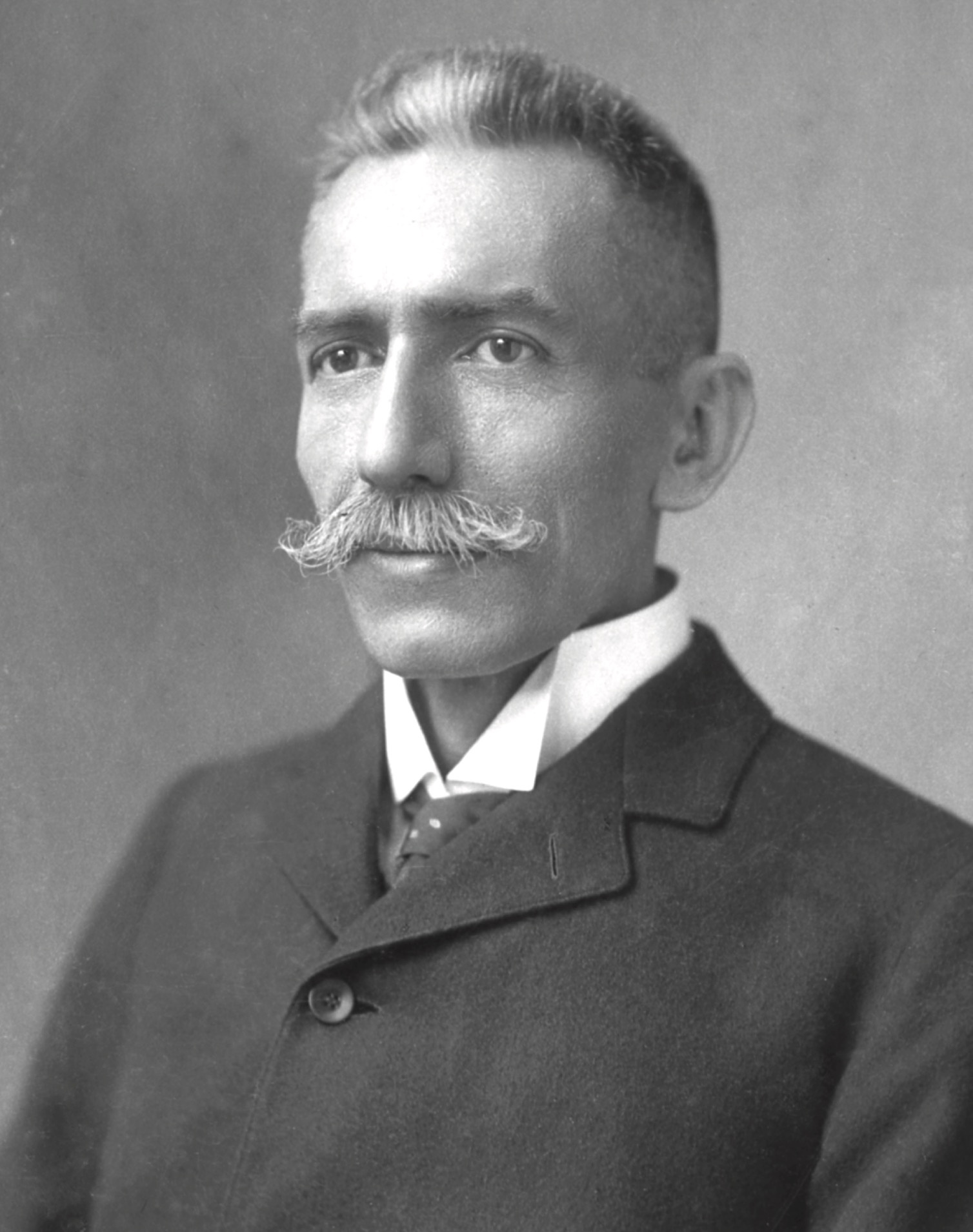
Historical · U.S. House · Hawaii · At-Large
Robert Wilcox
Former U.S. Representative · Hawaii At-Large · 1899–1903
Robert Wilcox represented Hawaii's At-Large in the United States House of Representatives (1899–1903). The page below collects sourced biographical facts, term history, committee roles, and provenance for Wilcox.
Bioguide ID: W000459
Key facts
- Full name
- Robert Wilcox
- State
- Hawaii
- District
- At-Large
- Party
- —
- House service
- 1899–1903
- First House term
- 1899
- Status
- Left office
- Current term ends
- —
- Born
- 1855
- Bioguide ID
- W000459
- Committee assignments
- —
- Dataset version
- 1.20260606
Biographical narrative
925 words · sourced from the Wikipedia REST extract
Robert Wilcox was a prominent figure in Hawaiian history, known for his roles as a revolutionary soldier, political leader, and the first delegate to the United States Congress for the Territory of Hawaii. His life spanned significant political upheaval in Hawaii, including the transition from a monarchy to a republic. Wilcox's political career was marked by his advocacy for the rights of native Hawaiians and his efforts to restore power to the monarchy, which he believed had been undermined by foreign interests and local elites.
Early life and career
Robert Wilcox was born on February 15, 1855, on the island of Maui, in the Hawaiian Kingdom. He was the son of Captain William Slocum Wilcox, an American from Newport, Rhode Island, and Kalua, a Hawaiian woman from Maui. His maternal lineage connected him to notable Hawaiian royalty; through his mother, he was a descendant of King Keaweʻīkekahialiʻiokamoku, a late-17th-century Hawaiian king. Wilcox's educational journey began at Haleakala Boarding School in Makawao, where he completed his studies before becoming a teacher at a local country school.
In 1880, Wilcox entered politics when he was elected to the royal legislature in Honolulu, representing the citizens of Wailuku and surrounding areas on the island of Oʻahu. His political career was further shaped by his military training; in 1881, he was selected by King David Kalākaua to study at the Royal Military Academy in Turin, Italy, as part of a program aimed at educating Hawaiian youths abroad. Wilcox completed his training in 1885, achieving the rank of sublieutenant of artillery. His military education was recognized by Italian officials, who further advanced his training at the Royal Application School for Engineer and Artillery Officers.
Wilcox's return to Hawaii in 1887 coincided with significant political changes. The Reform Party, which later evolved into the Hawaii Republican Party, had gained control of the Hawaiian government and enacted the Bayonet Constitution, which stripped the monarchy of much of its power. Disillusioned by these developments and the loss of support for educational programs, Wilcox became increasingly involved in political activism, advocating for the rights of native Hawaiians.
House tenure
Wilcox's political activism culminated in his participation in several uprisings against the government of the Hawaiian Kingdom and later the Republic of Hawaii. His first significant rebellion occurred in 1889 when he attempted to force King Kalākaua to sign a new constitution that would restore power to the monarchy. After a failed coup, Wilcox was tried for treason but acquitted, gaining respect among the Hawaiian populace for his defiance against the ruling elite.
In the wake of these events, Wilcox continued to engage in politics, forming the National Reform Party, which sought to restore power to the monarchy. He was re-elected to the royal legislature, serving from 1890 to 1893. Following the death of King Kalākaua in 1891, his sister Liliʻuokalani ascended to the throne. Wilcox's relationship with the new queen was strained, as he felt overlooked for a position in her government. This led him to establish the National Liberal Party, which aimed to advocate for the rights of the people and promote modernization in governance.
Wilcox's political activities during this period included founding a newspaper called "The Liberal," which criticized the lavish lifestyle of the royal family amid economic difficulties faced by ordinary citizens. His efforts to push for constitutional reforms and greater representation for the Hawaiian people were met with resistance from the conservative factions that dominated the legislature.
In 1898, following the annexation of Hawaii by the United States, Wilcox was elected as the first delegate to the U.S. Congress from the Territory of Hawaii. His tenure in Congress began in 1899 and lasted until 1903. During this time, he represented the interests of Hawaii and sought to address the concerns of his constituents, particularly regarding the rights of native Hawaiians and the political status of the territory.
Legislative focus and committees
Throughout his time in the U.S. House of Representatives, Wilcox focused on issues pertinent to the Hawaiian people and the broader implications of Hawaii's status as a U.S. territory. His legislative efforts were shaped by his experiences and the political landscape of Hawaii, which had undergone significant changes due to annexation. Wilcox's advocacy was rooted in his belief that the interests of native Hawaiians should be prioritized in the new political framework established by the United States.
Wilcox's tenure in Congress was marked by his commitment to representing the unique cultural and political needs of Hawaii. He worked to ensure that the voices of native Hawaiians were heard in the national dialogue, particularly as the territory navigated its new relationship with the federal government. His experience as a revolutionary leader and political figure in Hawaii informed his approach to legislation, as he sought to balance the demands of his constituents with the realities of being part of a larger nation.
Despite the challenges he faced, including opposition from established political interests and the complexities of navigating a new political landscape, Wilcox remained a steadfast advocate for the rights of Hawaiians. His contributions to the U.S. Congress and his efforts to address the concerns of his constituents left a lasting impact on the political history of Hawaii.
Wilcox's congressional career came to an end on March 3, 1903, marking the conclusion of his service in the House of Representatives. He passed away later that year on October 23, 1903. His legacy as a political leader and advocate for the Hawaiian people continues to be recognized in the context of Hawaii's complex history and its journey toward statehood.
Notable legislation
Sponsored and co-sponsored legislation for Robert Wilcox is pending operator curation. The biographical narrative above carries the same provenance trail until per-bill rows are written.
Sources
- [1]https://en.wikipedia.org/wiki/Robert_William_WilcoxWikipedia · retrieved 2026-06-06
Notable quotes
Sourced quotes for Robert Wilcox are pending operator curation. Narrative-scope provenance remains attached below.
Sources
- [1]https://en.wikipedia.org/wiki/Robert_William_WilcoxWikipedia · retrieved 2026-06-06
Key positions
Curated policy positions for Robert Wilcox are pending operator review. The biographical narrative above carries the same provenance trail until per-topic positions are written.
Sources
- [1]https://en.wikipedia.org/wiki/Robert_William_WilcoxWikipedia · retrieved 2026-06-06
Terms served
- 1899–1901U.S. House · Term 1
- 1901–1903U.S. House · Term 2
Sources & provenance
Every attributable claim above carries a per-section [N] marker that resolves to the corresponding URL below. Each entry records the upstream provider, the canonical URL, and the timestamp at which the source was retrieved by the ingest pipeline.
Key facts
- https://bioguide.congress.gov/search/bio/W000459bioguide · retrieved 2026-06-06
- https://www.govtrack.us/congress/members/411616govtrack · retrieved 2026-06-06
Biographical narrative
- https://en.wikipedia.org/wiki/Robert_William_Wilcoxwikipedia · retrieved 2026-06-06
Find your representative
Every U.S. state elects representatives by district. Browse Hawaii’s delegation, the full former-representative roster, or explore the role and term length.
Related on The Candidate
- Succeeded by Jonah KalanianaoleLater holder of the Hawaii At-Large House seat · Republican.Open
- Cecil HeftelFormer U.S. Representative · Hawaii District 1 · DemocraticOpen
- Charles DjouFormer U.S. Representative · Hawaii District 1 · RepublicanOpen
- Colleen HanabusaFormer U.S. Representative · Hawaii District 1 · DemocraticOpen
- Mark TakaiFormer U.S. Representative · Hawaii District 1 · DemocraticOpen
- Representatives from HawaiiEvery former U.S. Representative who has represented Hawaii.Open