
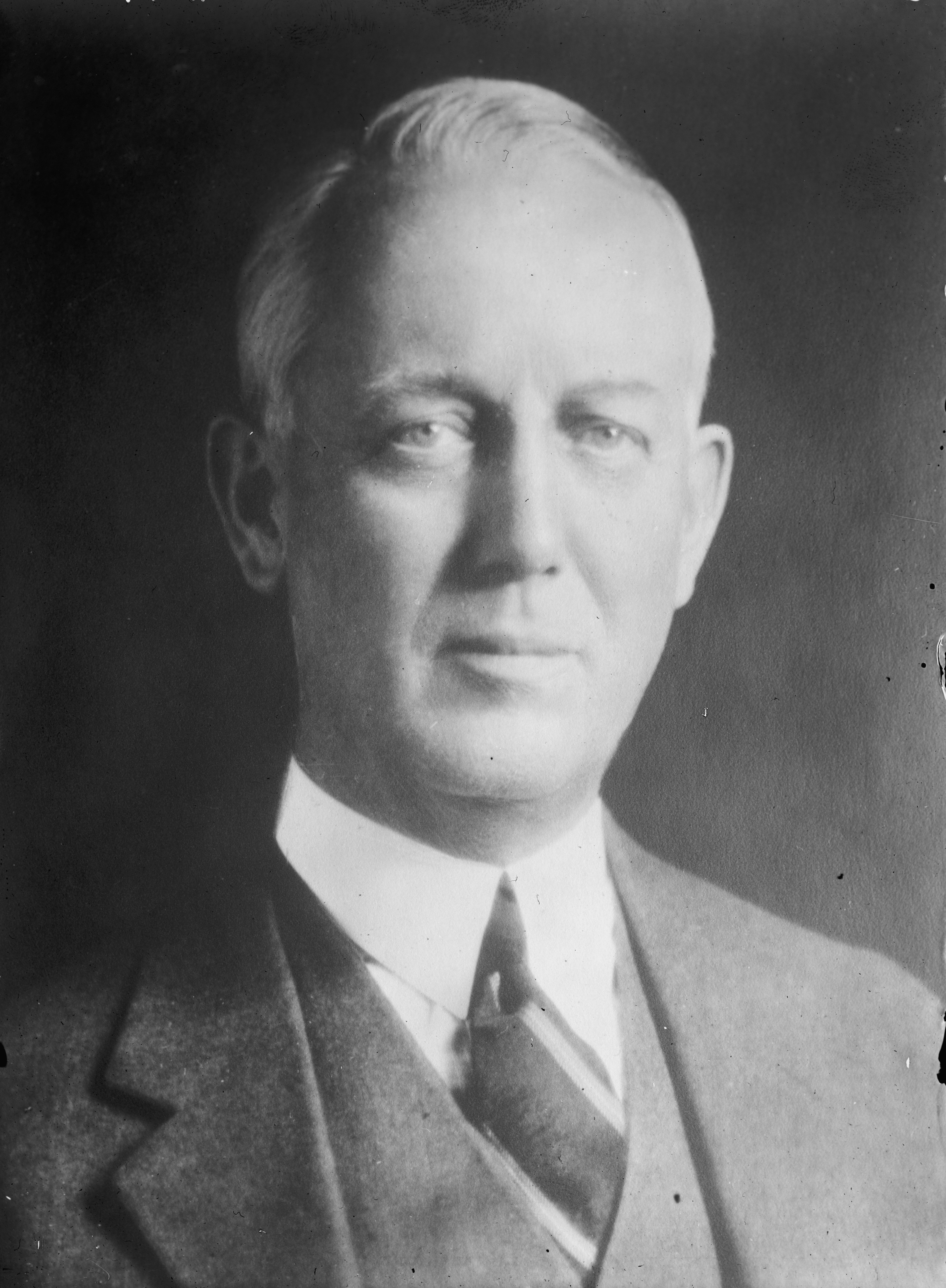
Historical · U.S. House · Illinois · District 17
Frank Smith
Former U.S. Representative · Illinois District 17 · 1919–1921 · Republican
Frank Smith represented Illinois's District 17 in the United States House of Representatives (1919–1921) for the Republican party. The page below collects sourced biographical facts, term history, committee roles, and provenance for Smith.
Bioguide ID: S000534
Key facts
- Full name
- Frank Smith
- State
- Illinois
- District
- District 17
- Party
- Republican
- House service
- 1919–1921
- First House term
- 1919
- Status
- Left office
- Current term ends
- —
- Born
- 1867
- Bioguide ID
- S000534
- Committee assignments
- —
- Dataset version
- 1.20260606
Biographical narrative
877 words · sourced from the Wikipedia REST extract
Frank Smith was an American politician who served as a U.S. Representative for Illinois's 17th congressional district from 1919 to 1921. A member of the Republican Party, Smith's political career was marked by his involvement in local governance, business, and a brief tenure in the U.S. Congress. His life spanned from November 24, 1867, when he was born in Dwight, Illinois, to August 30, 1950, when he passed away.
Early life and career
Frank Smith was born in Dwight, Illinois, where he spent his formative years. Raised in a small town, he received his education locally and later took on the role of a teacher for several years. This early experience in education may have influenced his later public service and commitment to community involvement. Following his teaching career, Smith transitioned into the business sector, engaging in various enterprises that included farming, banking, and real estate. His diverse business interests reflect a broad understanding of the economic landscape of his time.
Smith's political career began at the local level, where he served as the village clerk of Dwight in 1894. This position allowed him to gain experience in governance and public administration, laying the groundwork for his future political ambitions. In 1904, he sought higher office as a Republican candidate for lieutenant governor of Illinois, although this attempt was unsuccessful. His involvement in politics continued when he was appointed as a federal internal revenue collector for the district encompassing Dwight from 1905 to 1906. This role further solidified his understanding of federal operations and fiscal policy.
In 1918, Smith made a significant leap in his political career by successfully running for the United States House of Representatives. His election marked the beginning of his congressional service, which lasted from March 4, 1919, to March 3, 1921. During this period, he represented the interests of his constituents in Illinois's 17th congressional district, contributing to the legislative process at a national level.
House tenure
Frank Smith's tenure in the U.S. House of Representatives began in 1919, a time marked by significant national and international changes. His service coincided with the aftermath of World War I and the onset of the Roaring Twenties, a period characterized by economic growth and social change in the United States. As a member of the Republican Party, Smith aligned with the party's platform during a time when it was advocating for pro-business policies and a return to normalcy following the war.
During his time in the House, Smith participated in the legislative process, although specific details about the bills he sponsored or supported during his term are not documented in the available records. His congressional career was relatively brief, lasting only one term. After the conclusion of his service in 1921, he continued to be active in politics and public service, indicating his ongoing commitment to the state of Illinois and its governance.
Following his House tenure, Smith sought to further his political career by running for the Republican primary nomination for the U.S. Senate in 1920. This election was notable as it was the first year that women's votes were counted separately from men's in Illinois. In a closely contested primary, Smith initially led in the male vote count but ultimately lost to his opponent, William B. McKinley, after the female votes were tallied.
Legislative focus and committees
While specific details regarding Smith's legislative focus during his time in the House are not extensively documented, his career trajectory suggests a strong interest in business and economic issues, given his background in banking and real estate. His experience as a federal internal revenue collector likely informed his understanding of fiscal policy and taxation, which may have influenced his legislative priorities.
After his congressional term, Smith continued to engage in public service, becoming the chairman of the Illinois Commerce Commission in 1921. This position involved overseeing utilities in the state, a role that aligned with his previous business interests and provided him with a platform to influence economic regulation in Illinois. His work with the commission would have placed him at the intersection of public policy and private enterprise, allowing him to apply his business acumen to the regulatory environment.
In 1926, Smith re-entered the political arena by defeating McKinley in the Republican primary for the Senate. He subsequently won the general election, although his campaign faced scrutiny for alleged overspending and connections to utilities that had business before the commission during his tenure. These controversies culminated in a contentious period in which the U.S. Senate declined to seat him based on allegations of fraud and corruption. Despite these challenges, Smith remained a figure in Illinois politics until he resigned from the Senate in 1928 after the seat had been vacant for over two years.
Frank Smith's political career reflects a complex interplay of local governance, business interests, and national politics. His journey from a village clerk to a U.S. Representative and later a Senate candidate illustrates the varied pathways individuals can take in public service. Smith's life and career provide insight into the political landscape of early 20th-century America, particularly in the context of the Republican Party's evolution during that era. His contributions to Illinois politics, though marked by both achievements and controversies, remain a part of the state's historical narrative.
Notable legislation
Sponsored and co-sponsored legislation for Frank Smith is pending operator curation. The biographical narrative above carries the same provenance trail until per-bill rows are written.
Sources
- [1]https://en.wikipedia.org/wiki/Frank_L._SmithWikipedia · retrieved 2026-06-06
Notable quotes
Sourced quotes for Frank Smith are pending operator curation. Narrative-scope provenance remains attached below.
Sources
- [1]https://en.wikipedia.org/wiki/Frank_L._SmithWikipedia · retrieved 2026-06-06
Key positions
Curated policy positions for Frank Smith are pending operator review. The biographical narrative above carries the same provenance trail until per-topic positions are written.
Sources
- [1]https://en.wikipedia.org/wiki/Frank_L._SmithWikipedia · retrieved 2026-06-06
Terms served
- 1919–1921U.S. House · Term 1 · Republican
Sources & provenance
Every attributable claim above carries a per-section [N] marker that resolves to the corresponding URL below. Each entry records the upstream provider, the canonical URL, and the timestamp at which the source was retrieved by the ingest pipeline.
Key facts
- https://bioguide.congress.gov/search/bio/S000534bioguide · retrieved 2026-06-06
- https://www.govtrack.us/congress/members/410017govtrack · retrieved 2026-06-06
Biographical narrative
- https://en.wikipedia.org/wiki/Frank_L._Smithwikipedia · retrieved 2026-06-06
Find your representative
Every U.S. state elects representatives by district. Browse Illinois’s delegation, the full former-representative roster, or explore the role and term length.
Related on The Candidate
- Preceded by John SterlingEarlier holder of the Illinois District 17 House seat · Republican.Open
- Succeeded by Frank FunkLater holder of the Illinois District 17 House seat · Republican.Open
- Abner TaylorFormer U.S. Representative · Illinois District 1 · RepublicanOpen
- Adam SnyderFormer U.S. Representative · Illinois District 1 · DemocraticOpen
- Arthur MitchellFormer U.S. Representative · Illinois District 1 · DemocraticOpen
- Bennett StewartFormer U.S. Representative · Illinois District 1 · DemocraticOpen