
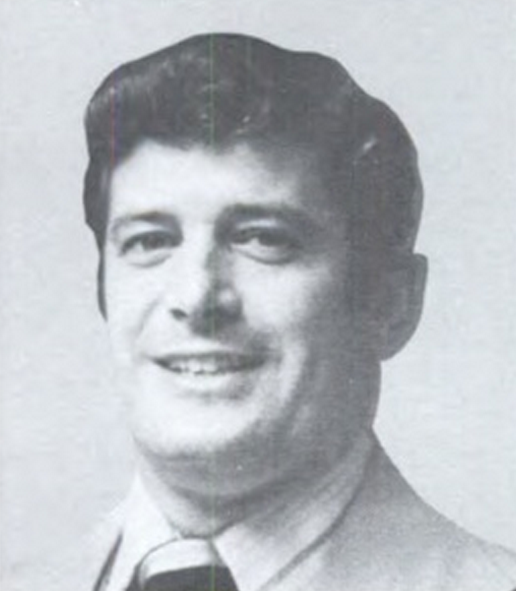
Historical · U.S. House · Illinois · District 19
Daniel Crane
Former U.S. Representative · Illinois District 19 · 1979–1985 · Republican
Daniel Crane represented Illinois's District 19 in the United States House of Representatives (1979–1985) for the Republican party. The page below collects sourced biographical facts, term history, committee roles, and provenance for Crane.
Bioguide ID: C000871
Key facts
- Full name
- Daniel Crane
- State
- Illinois
- District
- District 19
- Party
- Republican
- House service
- 1979–1985
- First House term
- 1979
- Status
- Left office
- Current term ends
- —
- Born
- 1936
- Bioguide ID
- C000871
- Committee assignments
- —
- Dataset version
- 1.20260605
Biographical narrative
951 words · sourced from the Wikipedia REST extract
Daniel B. Crane was an American dentist and politician who served as a U.S. Representative from Illinois. A member of the Republican Party, he held office from 1979 until 1985, representing both the 22nd and 19th congressional districts during his tenure. Crane's political career was marked by his conservative views and his involvement in a significant scandal that led to his censure by the House of Representatives. After leaving Congress, he returned to his profession in dentistry until his passing in 2019.
Early life and career
Daniel Bever Crane was born on January 10, 1936, in Cook County, Illinois. He grew up in an environment that emphasized education and community involvement, attending public schools in Chicago. His academic journey led him to Hillsdale College, where he earned a Bachelor of Arts degree in 1958. Following his undergraduate studies, Crane pursued a career in dentistry, obtaining his Doctor of Dental Surgery (D.D.S.) degree from Indiana University in 1963.
Crane's commitment to furthering his education continued with graduate studies at the University of Michigan during 1964 and 1965, where he expanded his knowledge and skills in dentistry. In 1967, he enlisted in the United States Army, a decision that would shape his life and career. Crane served in the military until 1970, during which time he was deployed to Vietnam as part of the U.S. involvement in the Vietnam War. His military service not only contributed to his personal development but also instilled in him a sense of duty and public service that would later influence his political career.
After completing his military service, Crane returned to Illinois, where he resumed his dental practice. His professional background as a dentist provided him with a unique perspective on healthcare issues, which would later inform his legislative priorities. Crane's entry into politics was motivated by a desire to serve his community and address the challenges facing his constituents.
House tenure
Daniel Crane's political career began when he was elected to the U.S. House of Representatives in 1978 as a Republican. His election marked the beginning of a three-term tenure in Congress, during which he represented Illinois's 22nd congressional district initially, before transitioning to the 19th congressional district. Throughout his time in office, Crane positioned himself as a conservative voice, advocating for traditional values and policies that resonated with his constituents.
In his campaigns, Crane cultivated an image of a family-oriented, churchgoing individual, often contrasting himself with what he described as the fast-paced lifestyle of the political elite in Washington, D.C. This portrayal helped him connect with voters who valued conservative principles and sought representatives who aligned with their beliefs. His political platform included support for prayer in schools and opposition to abortion rights, reflecting the views of many constituents in his districts.
Crane was re-elected in 1980 and again in 1982, demonstrating a level of support from his constituents that allowed him to maintain his position in Congress. However, his tenure was not without controversy. In 1983, Crane became embroiled in a scandal that would significantly impact his political career. The House Committee on Standards of Official Conduct recommended that he be reprimanded for engaging in sexual relationships with teenagers, specifically for having had a sexual encounter with a 17-year-old female House page in 1980. The allegations were serious and garnered significant media attention, leading to a broader discussion about ethics and conduct within the House.
Crane acknowledged the accuracy of the charges against him and expressed his support for his own censure. On July 20, 1983, the full House voted to censure him, marking a significant moment in his political career. The censure served as a formal reprimand and highlighted the importance of ethical standards for members of Congress. Despite this setback, Crane continued to serve in the House until he was defeated in his bid for re-election in 1984.
Legislative focus and committees
During his time in the U.S. House of Representatives, Daniel Crane was involved in various legislative efforts that aligned with his conservative ideology. His focus on issues such as education, family values, and healthcare was reflective of the priorities of his constituents. Crane's professional background as a dentist informed his perspective on healthcare policy, and he often advocated for measures that he believed would improve the healthcare system.
Crane's involvement in committees allowed him to engage more deeply with specific legislative issues. While the exact committees on which he served are not detailed in the provided information, it is common for members of Congress to participate in committees that align with their expertise and the interests of their constituents. Through these committees, Crane would have had the opportunity to influence legislation and contribute to discussions on a range of topics, from healthcare to education policy.
In addition to his legislative work, Crane's censure in 1983 prompted a broader examination of ethical standards within Congress. The incident underscored the importance of maintaining integrity and accountability among elected officials. Following his censure, Crane's political career faced challenges, and he ultimately lost his re-election bid in 1984. After leaving Congress, he returned to his dental practice, where he continued to serve his community until his passing.
Daniel B. Crane's life and career reflect the complexities of public service, including the challenges and responsibilities that come with holding elected office. His experiences in the military, his professional background in dentistry, and his tenure in Congress all contributed to his understanding of the issues facing his constituents. Crane's legacy is marked by both his contributions to legislative discussions and the controversies that ultimately shaped his political journey. He passed away on May 28, 2019, at the age of 83, leaving behind a family that included his wife, Judy, and their six children.
Notable legislation
Sponsored and co-sponsored legislation for Daniel Crane is pending operator curation. The biographical narrative above carries the same provenance trail until per-bill rows are written.
Sources
- [1]https://en.wikipedia.org/wiki/Dan_CraneWikipedia · retrieved 2026-06-05
Notable quotes
Sourced quotes for Daniel Crane are pending operator curation. Narrative-scope provenance remains attached below.
Sources
- [1]https://en.wikipedia.org/wiki/Dan_CraneWikipedia · retrieved 2026-06-05
Key positions
Curated policy positions for Daniel Crane are pending operator review. The biographical narrative above carries the same provenance trail until per-topic positions are written.
Sources
- [1]https://en.wikipedia.org/wiki/Dan_CraneWikipedia · retrieved 2026-06-05
Terms served
- 1979–1981U.S. House · Term 1 · Republican
- 1981–1983U.S. House · Term 2 · Republican
- 1983–1985U.S. House · Term 3 · Republican
Sources & provenance
Every attributable claim above carries a per-section [N] marker that resolves to the corresponding URL below. Each entry records the upstream provider, the canonical URL, and the timestamp at which the source was retrieved by the ingest pipeline.
Key facts
- https://bioguide.congress.gov/search/bio/C000871bioguide · retrieved 2026-06-05
- https://www.govtrack.us/congress/members/402985govtrack · retrieved 2026-06-05
Biographical narrative
- https://en.wikipedia.org/wiki/Dan_Cranewikipedia · retrieved 2026-06-05
Find your representative
Every U.S. state elects representatives by district. Browse Illinois’s delegation, the full former-representative roster, or explore the role and term length.
Related on The Candidate
- Preceded by Darwin SchislerEarlier holder of the Illinois District 19 House seat · Democratic.Open
- Succeeded by Terry BruceLater holder of the Illinois District 19 House seat · Democratic.Open
- Abner TaylorFormer U.S. Representative · Illinois District 1 · RepublicanOpen
- Adam SnyderFormer U.S. Representative · Illinois District 1 · DemocraticOpen
- Arthur MitchellFormer U.S. Representative · Illinois District 1 · DemocraticOpen
- Bennett StewartFormer U.S. Representative · Illinois District 1 · DemocraticOpen