
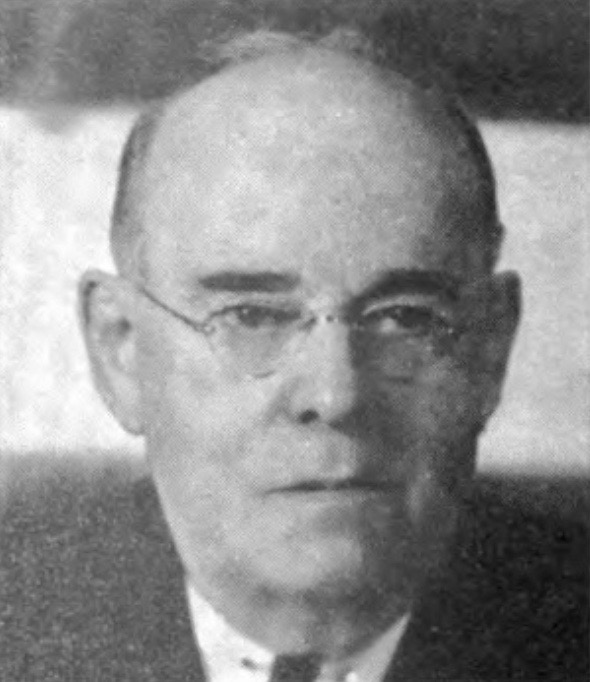
Historical · U.S. House · Illinois · District 6
Thomas O’Brien
Former U.S. Representative · Illinois District 6 · 1933–1965 · Democratic
Thomas O’Brien represented Illinois's District 6 in the United States House of Representatives (1933–1965) for the Democratic party. The page below collects sourced biographical facts, term history, committee roles, and provenance for O’Brien.
Bioguide ID: O000016
Key facts
- Full name
- Thomas O’Brien
- State
- Illinois
- District
- District 6
- Party
- Democratic
- House service
- 1933–1965
- First House term
- 1933
- Status
- Left office
- Current term ends
- —
- Born
- 1878
- Bioguide ID
- O000016
- Committee assignments
- —
- Dataset version
- 1.20260605
Biographical narrative
920 words · sourced from the Wikipedia REST extract
Thomas O’Brien was a prominent American politician who served as a U.S. Representative for Illinois's 6th congressional district from 1933 to 1939 and again from 1943 until his passing in 1964. A member of the Democratic Party, O’Brien was known for his liberal stance and was influential in Chicago politics, particularly during the mid-20th century. His lengthy congressional career spanned over three decades, during which he established himself as a significant figure in the Democratic Party and contributed to various legislative initiatives. O’Brien’s legacy includes his role in local governance and his impact on the political landscape of Illinois.
Early life and career
Thomas O’Brien was born on April 30, 1878, in Chicago, Illinois. His early life and education laid the foundation for his future political career. O’Brien entered public service at a time when Chicago was experiencing significant social and economic changes, which would later influence his political ideology and priorities. Before his tenure in Congress, O’Brien served as the Sheriff of Cook County from 1938 to 1942. This position allowed him to gain valuable experience in law enforcement and public administration, further solidifying his reputation within the community.
O’Brien's political career began in earnest when he was elected to the U.S. House of Representatives in 1933. His election came during a period marked by the Great Depression, a time when many Americans were seeking reform and support from their government. O’Brien's alignment with the Democratic Party's liberal policies resonated with his constituents, and he quickly became known for his advocacy on behalf of working-class citizens and his commitment to social justice.
Throughout his early career, O’Brien was recognized for his ability to connect with the electorate and address their concerns. His tenure as Cook County Sheriff provided him with insights into the challenges faced by urban communities, which he would later address in Congress. O’Brien's dedication to public service and his understanding of local issues positioned him as a key figure in Chicago's political landscape.
House tenure
O’Brien's congressional career was marked by two distinct periods of service. He first served from 1933 to 1939, during which he participated in significant legislative efforts aimed at addressing the economic hardships of the time. His initial term in the House coincided with the New Deal, a series of programs and reforms introduced by President Franklin D. Roosevelt to promote economic recovery. O’Brien's support for these initiatives reflected his commitment to improving the lives of his constituents and addressing the pressing issues of unemployment and poverty.
After a brief hiatus from Congress, O’Brien returned to the House in 1943 and continued to serve until his death in 1964. His second tenure was characterized by a focus on post-war recovery and civil rights issues. O’Brien was known for his liberal stance on various social issues, advocating for policies that aimed to promote equality and improve the welfare of disadvantaged groups. His long service in the House, totaling 14 terms, underscored his resilience and dedication to public service.
During his time in Congress, O’Brien became a respected member of the Democratic caucus, earning the title of "Dean" of Chicago delegates. His leadership and experience were instrumental in shaping the direction of local and national Democratic policies. O’Brien also played a significant role in mentoring younger politicians, including Dan Rostenkowski, who would later become a prominent figure in Congress.
O’Brien's legislative contributions were numerous, and he was involved in various committees that addressed critical issues of the day. His ability to navigate the complexities of federal legislation allowed him to advocate effectively for his constituents and the broader interests of the Democratic Party.
Legislative focus and committees
Throughout his congressional career, Thomas O’Brien focused on a range of legislative issues that reflected his commitment to social justice and economic reform. He was particularly active in advocating for policies that aimed to improve the lives of working-class Americans. His support for labor rights, social welfare programs, and civil rights initiatives positioned him as a liberal voice within the Democratic Party.
O’Brien's involvement in various committees allowed him to influence key areas of legislation. He worked on issues related to labor, housing, and education, advocating for policies that would benefit his constituents and promote social equity. His commitment to these causes was evident in his support for initiatives aimed at expanding access to education and improving housing conditions for low-income families.
In addition to his focus on domestic issues, O’Brien was also concerned with infrastructure development, particularly in relation to transportation and waterways. His legacy includes the T.J. O'Brien Lock and Dam, named in his honor, which is located on the Calumet River in Chicago. This infrastructure project reflects O’Brien's commitment to enhancing the region's economic potential and improving the quality of life for its residents.
O’Brien's legislative efforts were characterized by a collaborative approach, often working with colleagues across party lines to achieve common goals. His ability to build coalitions and foster dialogue among diverse stakeholders contributed to his effectiveness as a legislator. Throughout his career, O’Brien remained dedicated to the principles of the Democratic Party, advocating for policies that aligned with his vision of a more equitable society.
O’Brien passed away on April 14, 1964, while still in office, due to a stroke. His death marked the end of a significant chapter in Illinois politics, and he was buried at Queen of Heaven Cemetery in Hillside, Illinois. His contributions to the U.S. House of Representatives and his impact on Chicago politics continue to be recognized as part of his enduring legacy.
Notable legislation
Sponsored and co-sponsored legislation for Thomas O’Brien is pending operator curation. The biographical narrative above carries the same provenance trail until per-bill rows are written.
Sources
- [1]https://en.wikipedia.org/wiki/Thomas_J._O'Brien_(Illinois_politician)Wikipedia · retrieved 2026-06-05
Notable quotes
Sourced quotes for Thomas O’Brien are pending operator curation. Narrative-scope provenance remains attached below.
Sources
- [1]https://en.wikipedia.org/wiki/Thomas_J._O'Brien_(Illinois_politician)Wikipedia · retrieved 2026-06-05
Key positions
Curated policy positions for Thomas O’Brien are pending operator review. The biographical narrative above carries the same provenance trail until per-topic positions are written.
Sources
- [1]https://en.wikipedia.org/wiki/Thomas_J._O'Brien_(Illinois_politician)Wikipedia · retrieved 2026-06-05
Terms served
- 1933–1935U.S. House · Term 1 · Democratic
- 1935–1937U.S. House · Term 2 · Democratic
- 1937–1939U.S. House · Term 3 · Democratic
- 1943–1945U.S. House · Term 4 · Democratic
- 1945–1947U.S. House · Term 5 · Democratic
- 1947–1949U.S. House · Term 6 · Democratic
- 1949–1951U.S. House · Term 7 · Democratic
- 1951–1953U.S. House · Term 8 · Democratic
- 1953–1955U.S. House · Term 9 · Democratic
- 1955–1957U.S. House · Term 10 · Democratic
- 1957–1959U.S. House · Term 11 · Democratic
- 1959–1961U.S. House · Term 12 · Democratic
- 1961–1963U.S. House · Term 13 · Democratic
- 1963–1965U.S. House · Term 14 · Democratic
Sources & provenance
Every attributable claim above carries a per-section [N] marker that resolves to the corresponding URL below. Each entry records the upstream provider, the canonical URL, and the timestamp at which the source was retrieved by the ingest pipeline.
Key facts
- https://bioguide.congress.gov/search/bio/O000016bioguide · retrieved 2026-06-05
- https://www.govtrack.us/congress/members/408267govtrack · retrieved 2026-06-05
Biographical narrative
- https://en.wikipedia.org/wiki/Thomas_J._O'Brien_(Illinois_politician)wikipedia · retrieved 2026-06-05
Find your representative
Every U.S. state elects representatives by district. Browse Illinois’s delegation, the full former-representative roster, or explore the role and term length.
Related on The Candidate
- Preceded by James IgoeEarlier holder of the Illinois District 6 House seat · Democratic.Open
- Succeeded by Daniel RonanLater holder of the Illinois District 6 House seat · Democratic.Open
- Abner TaylorFormer U.S. Representative · Illinois District 1 · RepublicanOpen
- Adam SnyderFormer U.S. Representative · Illinois District 1 · DemocraticOpen
- Arthur MitchellFormer U.S. Representative · Illinois District 1 · DemocraticOpen
- Bennett StewartFormer U.S. Representative · Illinois District 1 · DemocraticOpen