
Historical · U.S. House · Indiana · District 1
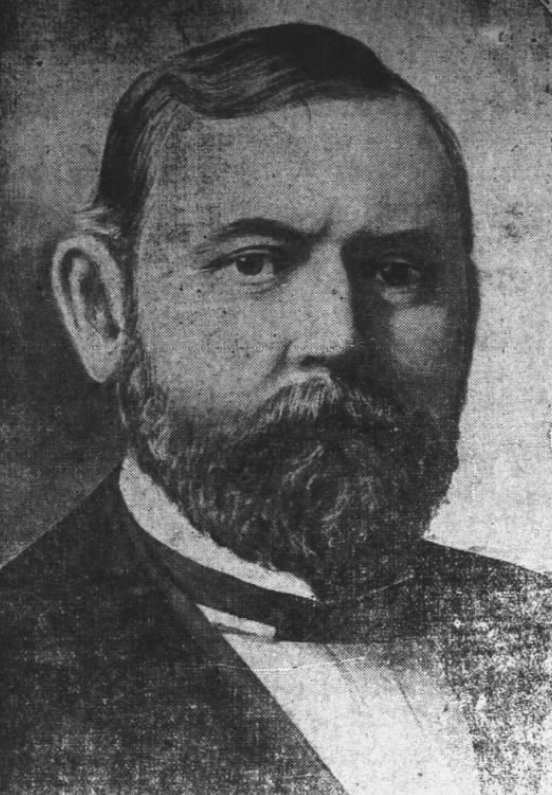
Francis Posey
Former U.S. Representative · Indiana District 1 · 1887–1889 · Republican
Francis Posey represented Indiana's District 1 in the United States House of Representatives (1887–1889) for the Republican party. The page below collects sourced biographical facts, term history, committee roles, and provenance for Posey.
Bioguide ID: P000451
Key facts
- Full name
- Francis Posey
- State
- Indiana
- District
- District 1
- Party
- Republican
- House service
- 1887–1889
- First House term
- 1887
- Status
- Left office
- Current term ends
- —
- Born
- 1848
- Bioguide ID
- P000451
- Committee assignments
- —
- Dataset version
- 1.20260606
Biographical narrative
1,046 words · sourced from the Wikipedia REST extract
Francis Blackburn Posey was an American lawyer and politician who served as a U.S. Representative for Indiana's 1st congressional district. His brief tenure in the House of Representatives occurred in early 1889, during which he filled a vacancy left by the resignation of a predecessor. Despite his short time in Congress, Posey's career encompassed various roles in public service and law, reflecting the political landscape of late 19th-century Indiana. He was born on April 28, 1848, in Petersburg, Indiana, and passed away on October 31, 1915, in Rockport, Indiana.
Early life and career
Francis B. Posey was born to John Wesley Posey and Sarah Blackburn Posey in Petersburg, a small town in southern Indiana. His upbringing in this region likely influenced his later political and legal career. Posey pursued higher education at Asbury College, where he studied for one year before transferring to Indiana University Maurer School of Law. He completed his law degree in 1869, which marked the beginning of his professional journey in the legal field.
Following his graduation, Posey established himself as a lawyer, engaging in legal practice that would lay the groundwork for his future political endeavors. His legal career coincided with a period of significant political change in the United States, particularly in the wake of the Civil War and Reconstruction. The legal profession often served as a stepping stone for many politicians of the era, and Posey was no exception. His expertise in law would later inform his legislative work and understanding of governance.
In addition to his legal career, Posey was involved in various civic activities and political campaigns. He participated in the 1880 presidential election as an elector for the James Garfield ticket, which demonstrated his early engagement in the political process. This involvement likely helped him build connections within the Republican Party, setting the stage for his future candidacy for public office.
On January 17, 1878, Posey married Emma Brown, and together they had four children, one of whom was named John Adams Posey. The family life of Posey, while not extensively documented, likely played a role in shaping his values and priorities as a public servant. The responsibilities of family and community would have influenced his perspectives on legislation and governance, particularly in relation to issues affecting families and local communities.
House tenure
Francis Posey's congressional career was notably brief, lasting from January 29, 1889, to March 3, 1889. He was elected to the U.S. House of Representatives to fill a vacancy created by the resignation of Alvin P. Hovey, who had been elected Governor of Indiana. This transition reflects the political dynamics of the time, where vacancies in Congress were often filled through special elections, allowing for rapid changes in representation.
During his short time in office, Posey was a member of the Republican Party, which was the dominant political force in Indiana during this period. His election to Congress came at a time when the Republican Party was focused on issues such as economic development, infrastructure, and the aftermath of the Civil War. However, the specifics of Posey's legislative activities during his brief tenure are not well-documented, likely due to the limited duration of his service.
Posey faced challenges in securing a longer-term position in Congress, as he was defeated in his bid for re-election. His political career did not end with his congressional defeat; he also sought other offices, including a run for the Indiana state Senate. These attempts indicate his continued interest in public service and governance, despite the setbacks he encountered in his political aspirations.
The political landscape of Indiana in the late 19th century was characterized by a mix of local and national issues, and Posey's involvement in various campaigns and elections reflects the complexities of this environment. His experiences in Congress and his subsequent electoral efforts illustrate the challenges faced by politicians of his era, particularly those who sought to navigate the shifting allegiances and priorities of their constituents.
Legislative focus and committees
While specific details regarding the legislative focus and committee assignments of Francis Posey during his time in Congress are not extensively recorded, it is important to understand the broader context of the legislative environment in which he operated. The late 19th century was a period marked by significant economic growth and industrialization in the United States. Issues such as infrastructure development, labor rights, and economic policy were at the forefront of congressional discussions.
As a member of the Republican Party, Posey would have aligned with the party's priorities, which included promoting economic development and supporting policies that favored industrial growth. The Republican Party during this time was also concerned with issues related to tariffs, trade, and the expansion of railroads, all of which were critical to the economic landscape of Indiana and the nation as a whole.
Although Posey's time in Congress was short, his legal background may have influenced his approach to legislative matters. Lawyers often bring a unique perspective to policymaking, as they are trained to analyze legal frameworks and understand the implications of legislation. This background could have informed Posey's contributions to discussions on legal and regulatory issues, even if he did not serve on specific committees.
Following his departure from Congress, Posey's political career continued to reflect his commitment to public service. His attempts to secure other political positions demonstrate his ongoing engagement with the political process, even after his congressional tenure. The challenges he faced in these endeavors highlight the competitive nature of politics during this period, where many individuals vied for limited opportunities in public office.
Francis B. Posey's life and career encapsulate the experiences of many politicians of his time who navigated the complexities of local and national issues. His brief tenure in the U.S. House of Representatives, while not extensively documented, serves as a reminder of the transient nature of political careers and the ongoing evolution of public service in the United States. Posey's contributions to his community and his attempts to engage in the political process reflect the dedication of individuals who sought to make a difference in their respective regions. He passed away on October 31, 1915, in Rockport, Indiana, leaving behind a legacy intertwined with the political history of Indiana. He was laid to rest at Walnut Hill Cemetery in Petersburg, Indiana.
Notable legislation
Sponsored and co-sponsored legislation for Francis Posey is pending operator curation. The biographical narrative above carries the same provenance trail until per-bill rows are written.
Sources
- [1]https://en.wikipedia.org/wiki/Francis_B._PoseyWikipedia · retrieved 2026-06-06
Notable quotes
Sourced quotes for Francis Posey are pending operator curation. Narrative-scope provenance remains attached below.
Sources
- [1]https://en.wikipedia.org/wiki/Francis_B._PoseyWikipedia · retrieved 2026-06-06
Key positions
Curated policy positions for Francis Posey are pending operator review. The biographical narrative above carries the same provenance trail until per-topic positions are written.
Sources
- [1]https://en.wikipedia.org/wiki/Francis_B._PoseyWikipedia · retrieved 2026-06-06
Terms served
- 1887–1889U.S. House · Term 1 · Republican
Sources & provenance
Every attributable claim above carries a per-section [N] marker that resolves to the corresponding URL below. Each entry records the upstream provider, the canonical URL, and the timestamp at which the source was retrieved by the ingest pipeline.
Key facts
- https://bioguide.congress.gov/search/bio/P000451bioguide · retrieved 2026-06-06
- https://www.govtrack.us/congress/members/408837govtrack · retrieved 2026-06-06
Biographical narrative
- https://en.wikipedia.org/wiki/Francis_B._Poseywikipedia · retrieved 2026-06-06
Find your representative
Every U.S. state elects representatives by district. Browse Indiana’s delegation, the full former-representative roster, or explore the role and term length.
Related on The Candidate
- Preceded by John KleinerEarlier holder of the Indiana District 1 House seat · Democratic.Open
- Succeeded by William ParrettLater holder of the Indiana District 1 House seat · Democratic.Open
- Adam Benjamin Jr.Former U.S. Representative · Indiana District 1 · DemocraticOpen
- Alvin HoveyFormer U.S. Representative · Indiana District 1 · RepublicanOpen
- Arthur TaylorFormer U.S. Representative · Indiana District 1 · DemocraticOpen
- Benoni FullerFormer U.S. Representative · Indiana District 1 · DemocraticOpen