
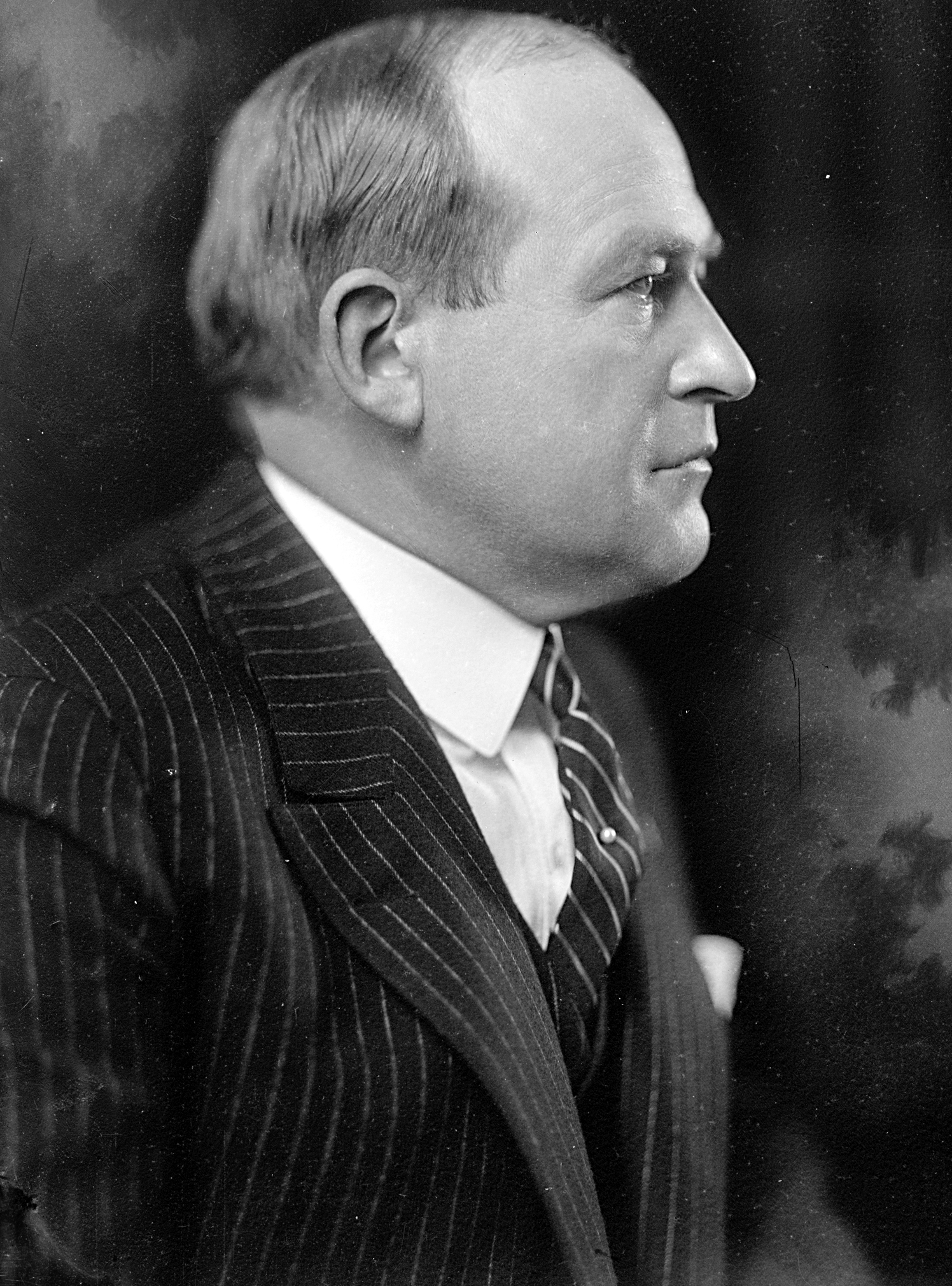
Historical · U.S. House · Massachusetts · District 15
Robert Leach
Former U.S. Representative · Massachusetts District 15 · 1923–1925 · Republican
Robert Leach represented Massachusetts's District 15 in the United States House of Representatives (1923–1925) for the Republican party. The page below collects sourced biographical facts, term history, committee roles, and provenance for Leach.
Bioguide ID: L000171
Key facts
- Full name
- Robert Leach
- State
- Massachusetts
- District
- District 15
- Party
- Republican
- House service
- 1923–1925
- First House term
- 1923
- Status
- Left office
- Current term ends
- —
- Born
- 1879
- Bioguide ID
- L000171
- Committee assignments
- —
- Dataset version
- 1.20260606
Biographical narrative
864 words · sourced from the Wikipedia REST extract
Robert Leach was a United States Representative from Massachusetts, serving as a member of the Republican Party. His congressional career was brief, spanning a single term in the U.S. House of Representatives from 1924 to 1925. Leach's life encompassed various roles, including that of a businessman and a military officer during World War I. He was born in Franklin, New Hampshire, and spent much of his life in New England, where he became involved in the chain-store furniture business. After his time in Congress, he returned to his business pursuits until his passing in 1952.
Early life and career
Robert Milton Leach was born on April 2, 1879, in Franklin, New Hampshire. Growing up in a small New England town, he received his early education in the public school system. His academic journey continued at Phillips Academy, a prestigious preparatory school, before he attended Dartmouth College, where he furthered his education. These formative years laid the groundwork for his future endeavors in both business and public service.
In 1900, Leach relocated to Taunton, Massachusetts, where he entered the furniture industry. He became engaged in the chain-store furniture business, which was a growing sector in New England at the time. This venture allowed him to develop significant business acumen and establish a reputation within the local economy. His experience in the business world would later inform his perspectives and decisions during his brief political career.
Leach's life took a significant turn when the United States entered World War I. He served his country as a captain in the Ordnance Division of the United States Army. This role involved overseeing the supply and maintenance of military equipment, a critical function during the war. His military service not only contributed to the war effort but also provided him with leadership experience and a deeper understanding of national issues, which would later influence his political aspirations.
House tenure
Leach's political career began when he was elected to the Sixty-eighth Congress, filling a vacancy left by the death of the previous representative, William S. Greene. He was elected as a Republican and took office on November 4, 1924. His term in the House of Representatives lasted until March 3, 1925. During this brief period, he participated in the legislative process and engaged with various issues facing his constituents and the nation.
As a member of Congress, Leach represented Massachusetts's 15th congressional district. This district, located in southeastern Massachusetts, included a diverse population with varying economic interests. Leach's background in business likely influenced his approach to the economic challenges and opportunities facing his constituents. However, specific details regarding his legislative actions, committee assignments, or the bills he supported during his term are not documented in the available records.
Leach did not seek renomination after his single term in office. Following his departure from Congress, he returned to his previous business activities in the furniture industry. His decision not to pursue further political office suggests a focus on his business career and possibly a desire to remain engaged in the private sector rather than the political arena.
Legislative focus and committees
While specific details regarding Robert Leach's legislative focus and committee assignments during his time in the House of Representatives are not extensively documented, it is reasonable to infer that his background in business would have influenced his legislative priorities. As a businessman, he may have been particularly interested in issues related to commerce, trade, and economic development. The 1920s were a time of significant economic change in the United States, marked by the post-World War I economic boom and the rise of consumer culture.
Leach's experience in the chain-store furniture business likely provided him with insights into the challenges and opportunities faced by small businesses and the retail sector. This perspective could have informed his approach to legislation affecting commerce and industry during his time in Congress. However, due to the limited duration of his congressional service, there is little available information on specific legislative initiatives he championed or the committees he may have served on.
After concluding his term in the House, Leach returned to Taunton, Massachusetts, where he resumed his business activities. His decision to step away from politics and focus on his business pursuits reflects a common trajectory for many individuals who serve in public office, particularly those with strong ties to the private sector.
Robert Leach's life came to an end on February 18, 1952, in Eustis, Florida. After his passing, he was interred in Franklin Cemetery in his hometown of Franklin, New Hampshire. His legacy as a businessman and a brief public servant remains a part of the historical narrative of Massachusetts's political landscape during the early 20th century.
In summary, Robert Leach's life was characterized by his contributions to both the business world and his brief tenure in the U.S. Congress. His experiences in education, military service, and business provided him with a unique perspective that he brought to his role as a U.S. Representative. While his time in office was short, it was a reflection of the broader trends and challenges of his era, particularly in relation to economic development and the evolving role of government in the business sector.
Notable legislation
Sponsored and co-sponsored legislation for Robert Leach is pending operator curation. The biographical narrative above carries the same provenance trail until per-bill rows are written.
Sources
- [1]https://en.wikipedia.org/wiki/Robert_M._LeachWikipedia · retrieved 2026-06-06
Notable quotes
Sourced quotes for Robert Leach are pending operator curation. Narrative-scope provenance remains attached below.
Sources
- [1]https://en.wikipedia.org/wiki/Robert_M._LeachWikipedia · retrieved 2026-06-06
Key positions
Curated policy positions for Robert Leach are pending operator review. The biographical narrative above carries the same provenance trail until per-topic positions are written.
Sources
- [1]https://en.wikipedia.org/wiki/Robert_M._LeachWikipedia · retrieved 2026-06-06
Terms served
- 1923–1925U.S. House · Term 1 · Republican
Sources & provenance
Every attributable claim above carries a per-section [N] marker that resolves to the corresponding URL below. Each entry records the upstream provider, the canonical URL, and the timestamp at which the source was retrieved by the ingest pipeline.
Key facts
- https://bioguide.congress.gov/search/bio/L000171bioguide · retrieved 2026-06-06
- https://www.govtrack.us/congress/members/406674govtrack · retrieved 2026-06-06
Biographical narrative
- https://en.wikipedia.org/wiki/Robert_M._Leachwikipedia · retrieved 2026-06-06
Find your representative
Every U.S. state elects representatives by district. Browse Massachusetts’s delegation, the full former-representative roster, or explore the role and term length.
Related on The Candidate
- Preceded by George BradburyEarlier holder of the Massachusetts District 15 House seat · Federalist.Open
- Abbott LawrenceFormer U.S. Representative · Massachusetts District 1 · WhigOpen
- Allen TreadwayFormer U.S. Representative · Massachusetts District 1 · RepublicanOpen
- Artemas Ward Jr.Former U.S. Representative · Massachusetts District 1 · FederalistOpen
- Ashley WrightFormer U.S. Representative · Massachusetts District 1 · RepublicanOpen
- Republican PartyFederal candidates and office holders on the Republican line.Open