
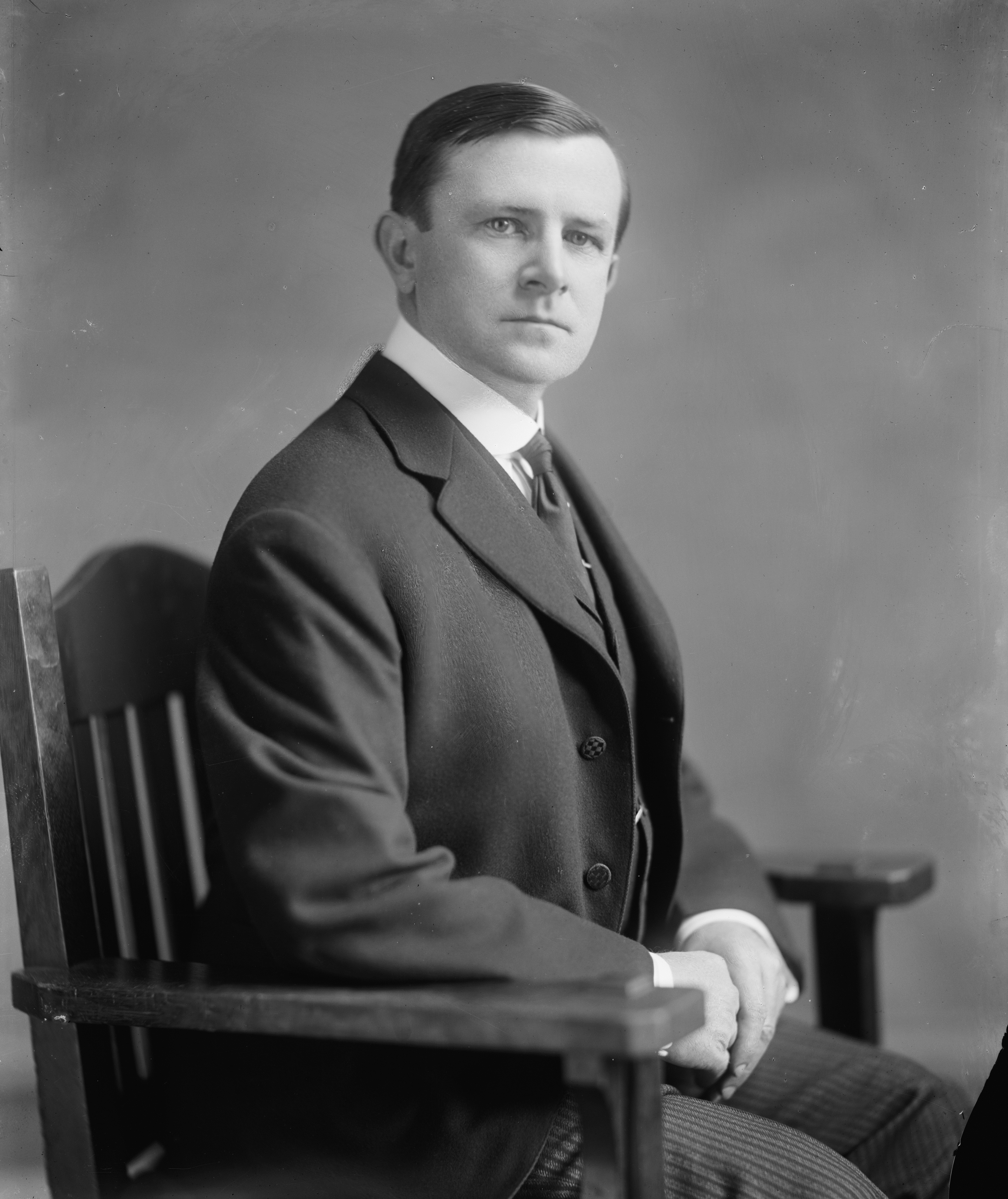
Historical · U.S. House · Massachusetts · District 16
Joseph Walsh
Former U.S. Representative · Massachusetts District 16 · 1915–1923 · Republican
Joseph Walsh represented Massachusetts's District 16 in the United States House of Representatives (1915–1923) for the Republican party. The page below collects sourced biographical facts, term history, committee roles, and provenance for Walsh.
Bioguide ID: W000101
Key facts
- Full name
- Joseph Walsh
- State
- Massachusetts
- District
- District 16
- Party
- Republican
- House service
- 1915–1923
- First House term
- 1915
- Status
- Left office
- Current term ends
- —
- Born
- 1875
- Bioguide ID
- W000101
- Committee assignments
- —
- Dataset version
- 1.20260606
Biographical narrative
817 words · sourced from the Wikipedia REST extract
Joseph Walsh was a U.S. Representative from Massachusetts who served four terms in the House of Representatives as a member of the Republican Party. His congressional career spanned from 1915 until 1922, after which he resigned to accept a judicial appointment. Born in 1875, Walsh's early life and career laid the foundation for his later political and judicial roles. He was known for his opposition to women's suffrage initiatives during his time in Congress and eventually transitioned to a judicial position, where he served until his death in 1946.
Early life and career
Joseph Walsh was born on December 16, 1875, in the Brighton neighborhood of Boston, Massachusetts. He grew up in the region and received his education in public schools located in Falmouth, Massachusetts. Following his primary education, Walsh pursued legal studies at the Boston University School of Law, where he completed his education and was admitted to the bar in 1906. This legal background would later inform his work as a legislator and a judge.
Before entering politics, Walsh engaged in various occupations that contributed to his professional development. From 1900 to 1905, he worked as a fish culturist and served as a clerk in the United States Bureau of Fisheries located in Woods Hole, Massachusetts. This role allowed him to gain experience in government operations and environmental issues related to fisheries. Additionally, he was involved in newspaper reporting in both Boston and New Bedford, which provided him with insights into public opinion and the media landscape of the time.
Walsh's political career began in earnest when he was elected to the Massachusetts State House of Representatives in 1905. His tenure in the state legislature marked the beginning of his formal involvement in politics as a member of the Republican Party. This experience likely helped him build a network and develop a political platform that would serve him well in his subsequent congressional campaigns.
House tenure
Joseph Walsh was elected to the U.S. House of Representatives in 1915, representing Massachusetts's 16th congressional district. He was a member of the Republican Party and served a total of four terms in Congress. His first term began on March 4, 1915, and he continued to serve until August 21, 1922. During his time in the House, Walsh participated in various legislative activities and was involved in the political discourse of the era.
While in Congress, Walsh was known for his conservative views, particularly regarding social issues. He gained notoriety for his opposition to the establishment of a committee focused on women's suffrage in 1917. His remarks during this period reflected a broader resistance to the women's suffrage movement, which sought to secure voting rights for women. Walsh's comments indicated a belief that the committee's formation would be an unnecessary concession to what he described as the "nagging" of activists. This stance placed him at odds with many of his contemporaries who supported the suffrage movement.
Walsh's congressional career came to an end when he resigned from the House in August 1922. His resignation was prompted by his appointment to a judicial position, which marked a significant transition in his professional life. Following his departure from Congress, he continued to serve in the judiciary, where he would remain until his death.
Legislative focus and committees
During his tenure in the House of Representatives, Joseph Walsh's legislative focus was characterized by his conservative stance on various issues, particularly those related to social reform. His opposition to women's suffrage was one of the most notable aspects of his time in Congress. Walsh's remarks and actions during this period highlighted the contentious debates surrounding women's rights and suffrage, which were significant issues in American politics during the early 20th century.
In addition to his views on women's suffrage, Walsh's legislative activities likely encompassed a range of other issues relevant to his constituents and the nation. However, specific details regarding the bills he sponsored or the committees on which he served are not extensively documented. His background in law and experience in the state legislature may have influenced his approach to various legislative matters, as he navigated the complexities of federal governance.
After resigning from Congress, Walsh was appointed as a justice of the Superior Court of Massachusetts on August 2, 1922. This position allowed him to continue his public service in a different capacity, focusing on the judicial system. He served in this role until his death on January 13, 1946, in New Bedford, Massachusetts. Walsh was buried in St. Mary's Cemetery, leaving behind a legacy that included both his time in the House of Representatives and his subsequent judicial service.
In summary, Joseph Walsh's career spanned various roles, from a fish culturist and newspaper reporter to a state legislator and U.S. Representative. His tenure in Congress was marked by his conservative views, particularly regarding women's suffrage, and his subsequent judicial appointment reflected his ongoing commitment to public service.
Notable legislation
Sponsored and co-sponsored legislation for Joseph Walsh is pending operator curation. The biographical narrative above carries the same provenance trail until per-bill rows are written.
Sources
- [1]https://en.wikipedia.org/wiki/Joseph_Walsh_(Massachusetts_politician)Wikipedia · retrieved 2026-06-06
Notable quotes
Sourced quotes for Joseph Walsh are pending operator curation. Narrative-scope provenance remains attached below.
Sources
- [1]https://en.wikipedia.org/wiki/Joseph_Walsh_(Massachusetts_politician)Wikipedia · retrieved 2026-06-06
Key positions
Curated policy positions for Joseph Walsh are pending operator review. The biographical narrative above carries the same provenance trail until per-topic positions are written.
Sources
- [1]https://en.wikipedia.org/wiki/Joseph_Walsh_(Massachusetts_politician)Wikipedia · retrieved 2026-06-06
Terms served
- 1915–1917U.S. House · Term 1 · Republican
- 1917–1919U.S. House · Term 2 · Republican
- 1919–1921U.S. House · Term 3 · Republican
- 1921–1923U.S. House · Term 4 · Republican
Sources & provenance
Every attributable claim above carries a per-section [N] marker that resolves to the corresponding URL below. Each entry records the upstream provider, the canonical URL, and the timestamp at which the source was retrieved by the ingest pipeline.
Key facts
- https://bioguide.congress.gov/search/bio/W000101bioguide · retrieved 2026-06-06
- https://www.govtrack.us/congress/members/411279govtrack · retrieved 2026-06-06
Biographical narrative
- https://en.wikipedia.org/wiki/Joseph_Walsh_(Massachusetts_politician)wikipedia · retrieved 2026-06-06
Find your representative
Every U.S. state elects representatives by district. Browse Massachusetts’s delegation, the full former-representative roster, or explore the role and term length.
Related on The Candidate
- Preceded by Thomas ThacherEarlier holder of the Massachusetts District 16 House seat · Democratic.Open
- Abbott LawrenceFormer U.S. Representative · Massachusetts District 1 · WhigOpen
- Allen TreadwayFormer U.S. Representative · Massachusetts District 1 · RepublicanOpen
- Artemas Ward Jr.Former U.S. Representative · Massachusetts District 1 · FederalistOpen
- Ashley WrightFormer U.S. Representative · Massachusetts District 1 · RepublicanOpen
- Republican PartyFederal candidates and office holders on the Republican line.Open