
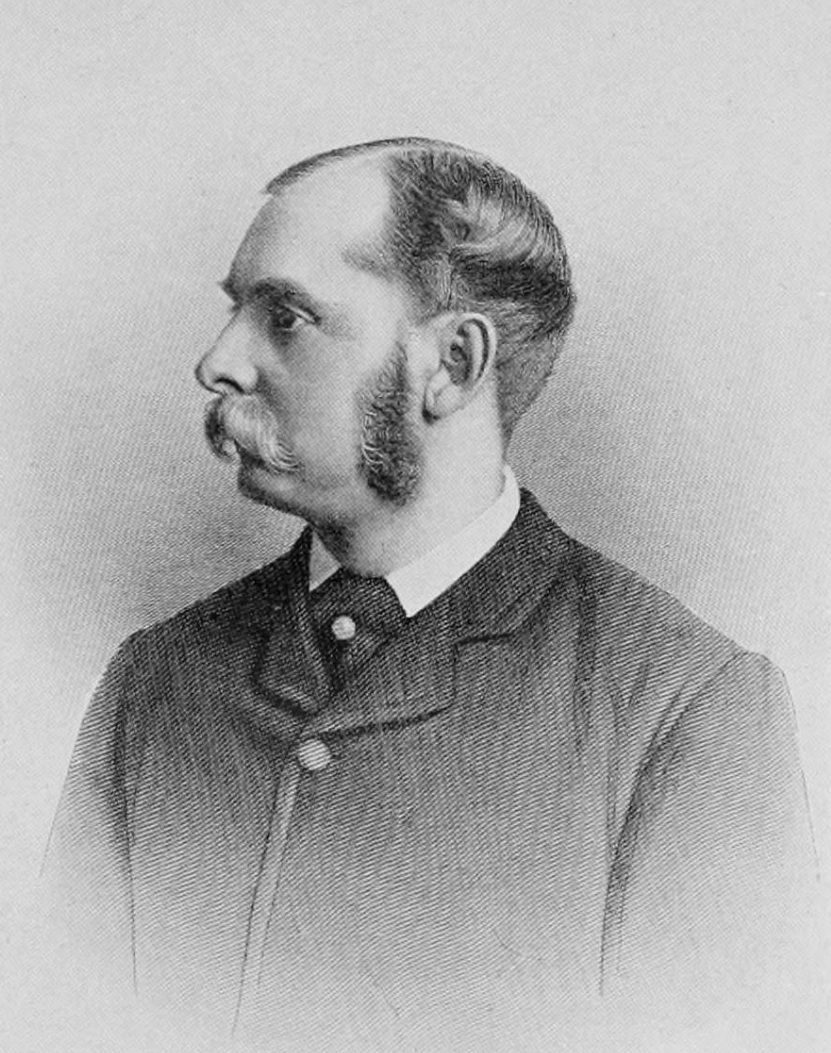
Historical · U.S. House · Massachusetts · District 3
John Andrew
Former U.S. Representative · Massachusetts District 3 · 1889–1893 · Democratic
John Andrew represented Massachusetts's District 3 in the United States House of Representatives (1889–1893) for the Democratic party. The page below collects sourced biographical facts, term history, committee roles, and provenance for Andrew.
Bioguide ID: A000242
Key facts
- Full name
- John Andrew
- State
- Massachusetts
- District
- District 3
- Party
- Democratic
- House service
- 1889–1893
- First House term
- 1889
- Status
- Left office
- Current term ends
- —
- Born
- 1850
- Bioguide ID
- A000242
- Committee assignments
- —
- Dataset version
- 1.20260606
Biographical narrative
1,002 words · sourced from the Wikipedia REST extract
John Andrew was a prominent figure in late 19th-century American politics, serving as a U.S. Representative from Massachusetts. A member of the Democratic Party, Andrew's political career was marked by his tenure in the U.S. House of Representatives, where he was involved in significant legislative efforts and held a leadership position on a key committee. His background in law and previous political experience contributed to his role in shaping policies during his time in office. Andrew's life and career reflect the complexities of American political life during a transformative period in the nation's history.
Early life and career
John Andrew was born on November 26, 1850, in Hingham, Massachusetts. He was the son of John Albion Andrew and Eliza Jane (Hersey) Andrew, both of whom played significant roles in his upbringing. Growing up in a family that valued education, Andrew attended several private schools, which laid the groundwork for his future academic pursuits. He completed his secondary education at Phillips Academy in Andover and Brooks School in North Andover, both of which are known for their rigorous academic standards.
Following his education at these institutions, Andrew enrolled at Harvard University, where he pursued higher education and graduated in 1872. His academic journey continued at Harvard Law School, from which he graduated in 1875. After completing his legal education, he was admitted to the Suffolk bar, allowing him to begin his legal practice in Boston. This foundation in law not only equipped him with the skills necessary for his future political career but also provided him with a deep understanding of the legal frameworks that govern society.
In addition to his legal career, Andrew engaged in public service at the state level. He was elected to the Massachusetts House of Representatives, where he began to establish his reputation as a dedicated public servant. His political aspirations continued to grow, leading him to serve in the Massachusetts State Senate, where he further honed his legislative skills and gained valuable experience in governance. Additionally, he held the position of Boston commissioner of parks, which allowed him to contribute to the development and management of public spaces in the city.
Despite his political involvement, Andrew faced challenges in his career. Notably, he ran as a Democratic candidate for Governor of Massachusetts in 1886 but was unsuccessful in this bid. This experience, however, did not deter him from continuing his political journey, as he sought other opportunities to serve the public.
House tenure
John Andrew's congressional career began when he was elected as a Democrat to the Fifty-first Congress, which convened on March 4, 1889. He served in this capacity until March 3, 1893, completing two full terms in the U.S. House of Representatives. His election to Congress marked a significant milestone in his political career, allowing him to engage directly in the legislative process at the national level.
During his time in the House, Andrew was involved in various legislative initiatives and discussions that reflected the political climate of the era. His experience as a lawyer and his previous political roles informed his contributions to the legislative process. In the Fifty-second Congress, he was appointed as the chairman of the U.S. House Committee on Reform in the Civil Service. This position was significant, as it placed him at the forefront of efforts to improve the efficiency and integrity of the civil service, a topic of considerable importance during a time when government reform was a pressing issue.
Andrew's tenure in Congress was characterized by his commitment to addressing the needs of his constituents and the broader American public. He participated in debates and discussions on various issues, contributing to the legislative discourse of the time. However, despite his efforts and contributions, Andrew faced challenges in securing re-election. He was an unsuccessful candidate for re-election to the Fifty-third Congress in 1892, which marked the end of his formal legislative career.
Legislative focus and committees
Throughout his time in the U.S. House of Representatives, John Andrew's legislative focus was shaped by his background in law and his commitment to public service. As chairman of the Committee on Reform in the Civil Service during the Fifty-second Congress, he played a pivotal role in advocating for reforms aimed at enhancing the efficiency and accountability of government operations. This committee was instrumental in addressing issues related to patronage and the need for a more merit-based approach to civil service appointments.
Andrew's work on civil service reform was part of a broader movement during the late 19th century, as many politicians and reformers sought to combat corruption and inefficiency in government. His leadership on this committee allowed him to influence discussions and shape policies that aimed to improve the functioning of the federal government. The importance of civil service reform during this period cannot be overstated, as it laid the groundwork for future reforms that would continue to evolve in the 20th century.
In addition to his focus on civil service reform, Andrew's legislative activities reflected the concerns and priorities of his constituents in Massachusetts. He engaged in discussions on various issues that were relevant to the state and the nation, contributing to the legislative process in meaningful ways. His background in law provided him with a unique perspective on the implications of proposed legislation, allowing him to advocate effectively for policies that aligned with his values and the needs of his constituents.
After his congressional career ended in 1893, Andrew returned to his legal practice in Boston, where he continued to contribute to the legal community and engage in public service. He passed away on May 30, 1895, in Boston, leaving behind a legacy of public service and commitment to reform. His interment took place at Mount Auburn Cemetery in Cambridge, Massachusetts, marking the final chapter of a life dedicated to the pursuit of justice and the betterment of society. Andrew's contributions to Massachusetts politics and his efforts in the U.S. House of Representatives remain a part of the historical narrative of American governance during a transformative period.
Notable legislation
Sponsored and co-sponsored legislation for John Andrew is pending operator curation. The biographical narrative above carries the same provenance trail until per-bill rows are written.
Sources
- [1]https://en.wikipedia.org/wiki/John_F._AndrewWikipedia · retrieved 2026-06-06
Notable quotes
Sourced quotes for John Andrew are pending operator curation. Narrative-scope provenance remains attached below.
Sources
- [1]https://en.wikipedia.org/wiki/John_F._AndrewWikipedia · retrieved 2026-06-06
Key positions
Curated policy positions for John Andrew are pending operator review. The biographical narrative above carries the same provenance trail until per-topic positions are written.
Sources
- [1]https://en.wikipedia.org/wiki/John_F._AndrewWikipedia · retrieved 2026-06-06
Terms served
- 1889–1891U.S. House · Term 1 · Democratic
- 1891–1893U.S. House · Term 2 · Democratic
Sources & provenance
Every attributable claim above carries a per-section [N] marker that resolves to the corresponding URL below. Each entry records the upstream provider, the canonical URL, and the timestamp at which the source was retrieved by the ingest pipeline.
Key facts
- https://bioguide.congress.gov/search/bio/A000242bioguide · retrieved 2026-06-06
- https://www.govtrack.us/congress/members/400871govtrack · retrieved 2026-06-06
Biographical narrative
- https://en.wikipedia.org/wiki/John_F._Andrewwikipedia · retrieved 2026-06-06
Find your representative
Every U.S. state elects representatives by district. Browse Massachusetts’s delegation, the full former-representative roster, or explore the role and term length.
Related on The Candidate
- Preceded by Leopold MorseEarlier holder of the Massachusetts District 3 House seat · Democratic.Open
- Succeeded by John ThayerLater holder of the Massachusetts District 3 House seat · Democratic.Open
- Abbott LawrenceFormer U.S. Representative · Massachusetts District 1 · WhigOpen
- Allen TreadwayFormer U.S. Representative · Massachusetts District 1 · RepublicanOpen
- Artemas Ward Jr.Former U.S. Representative · Massachusetts District 1 · FederalistOpen
- Ashley WrightFormer U.S. Representative · Massachusetts District 1 · RepublicanOpen