
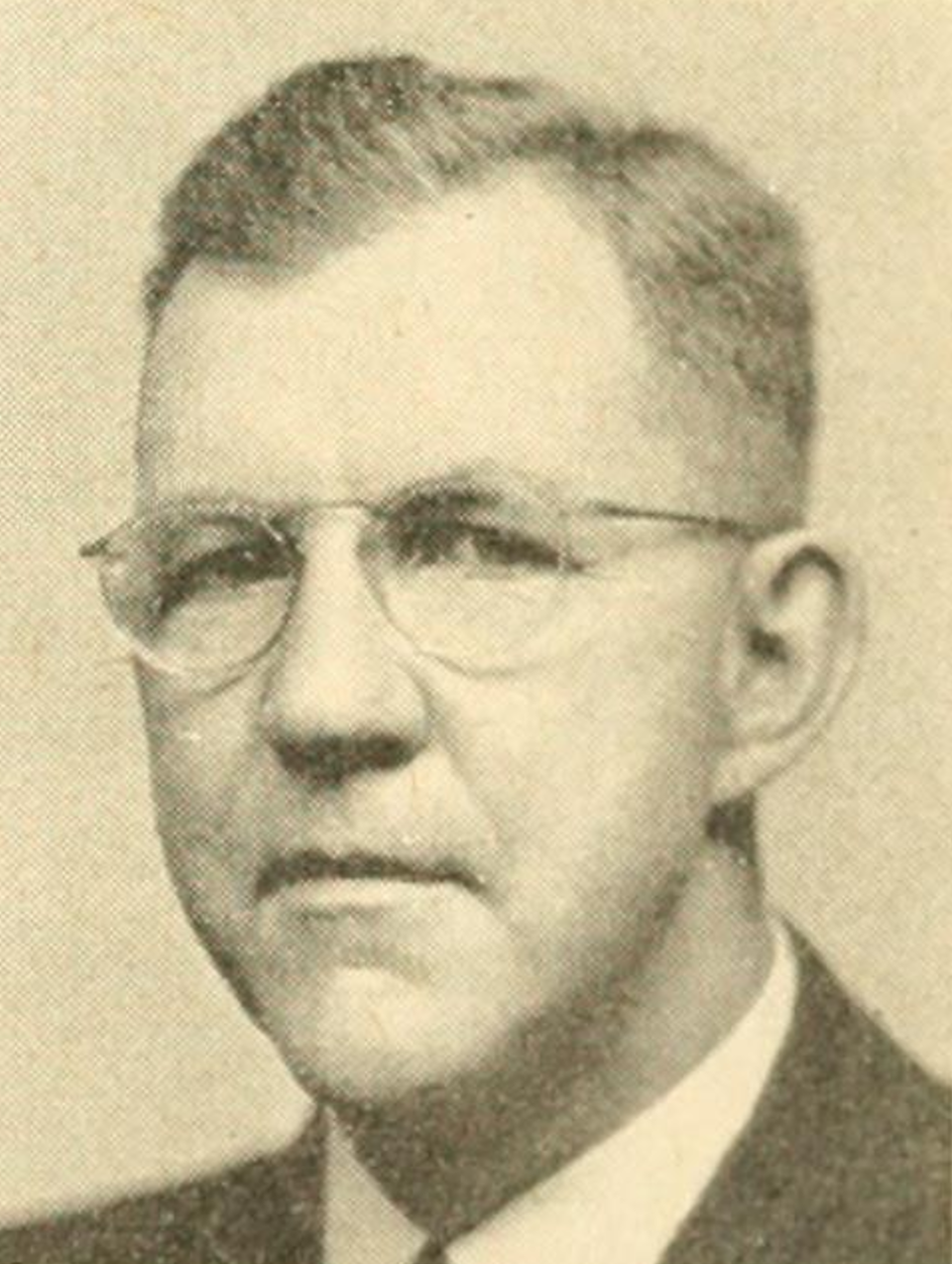
Historical · U.S. House · North Carolina · District 10
Joseph Ervin
Former U.S. Representative · North Carolina District 10 · 1945–1947 · Democratic
Joseph Ervin represented North Carolina's District 10 in the United States House of Representatives (1945–1947) for the Democratic party. The page below collects sourced biographical facts, term history, committee roles, and provenance for Ervin.
Bioguide ID: E000210
Key facts
- Full name
- Joseph Ervin
- State
- North Carolina
- District
- District 10
- Party
- Democratic
- House service
- 1945–1947
- First House term
- 1945
- Status
- Left office
- Current term ends
- —
- Born
- 1901
- Bioguide ID
- E000210
- Committee assignments
- —
- Dataset version
- 1.20260605
Biographical narrative
845 words · sourced from the Wikipedia REST extract
Joseph Ervin was a Democratic member of the United States House of Representatives, representing North Carolina's 10th congressional district. His congressional career was notably brief, lasting less than a year due to his untimely death. Born in 1901, Ervin was part of a politically active family, with his brother, Sam Ervin, later becoming a prominent figure in U.S. politics. Joseph Ervin's legislative focus and actions during his short tenure reflected the political climate of the time, particularly in relation to civil rights and labor issues.
Early life and career
Joseph Ervin was born on March 3, 1901, in Morganton, Burke County, North Carolina. He grew up in a family that valued education and public service, which likely influenced his later political aspirations. Ervin attended local public schools before pursuing higher education at the University of North Carolina at Chapel Hill. He graduated from the university in 1921, where he was an active member of the Dialectic Society, a student organization that fostered debate and discussion on various topics.
Following his undergraduate studies, Ervin continued his education at the University of North Carolina's law school, earning his law degree in 1923. After being admitted to the bar the same year, he began practicing law in Charlotte, North Carolina. His legal career provided him with a foundation in public service and an understanding of the legislative process, both of which would later inform his work as a congressman.
Ervin's family background also played a significant role in his political life. He was the younger brother of Sam Ervin, who would go on to have a distinguished career in the U.S. Senate. The political environment in North Carolina during Ervin's formative years was marked by significant social and economic changes, which likely shaped his views and ambitions.
House tenure
Joseph Ervin's political career reached a pivotal moment when he was elected as a Democrat to the Seventy-ninth Congress. He began his term in the House of Representatives on January 3, 1945. During his brief time in office, Ervin engaged with the pressing issues of the day, which included labor rights and civil rights. His tenure, however, was cut short by his death on December 25, 1945, less than a year after he took office.
Ervin's time in Congress was marked by his opposition to the Fair Employment Practice Committee, an initiative aimed at preventing employment discrimination based on race, color, religion, or national origin. His stance on this issue reflected the complex and often contentious debates surrounding civil rights during the mid-20th century, a period characterized by significant social upheaval and calls for reform.
Tragically, Joseph Ervin's life ended in a manner that shocked his constituents and colleagues. He died by suicide in Washington, D.C., reportedly due to the pain he was experiencing from osteomyelitis, a severe bone infection. His death prompted an outpouring of sympathy and concern, highlighting the personal struggles that can accompany public service.
Following his passing, his brother, Sam Ervin, was elected to complete his term in the House of Representatives. This familial connection further underscored the Ervin family's involvement in North Carolina politics and the legacy they left behind.
Legislative focus and committees
During his short tenure in the House of Representatives, Joseph Ervin's legislative focus was primarily on issues related to labor and civil rights, reflecting the broader national discourse of the time. His opposition to the Fair Employment Practice Committee indicated a complex relationship with the evolving civil rights movement, which was gaining momentum in the United States during the 1940s. This opposition placed him at odds with many of his contemporaries who were advocating for greater equality and protections for marginalized groups.
While specific details regarding the committees on which Ervin served are not documented, it is common for new members of Congress to be assigned to committees that align with their interests and the needs of their constituents. Given the political landscape of the era, it is likely that Ervin would have engaged with committees addressing labor issues, economic recovery post-World War II, and civil rights, although the exact nature of his committee assignments remains unspecified.
Ervin's legislative contributions, while limited in duration, were part of the larger narrative of a nation grappling with its identity and values in the wake of the war. The post-war period was marked by significant changes in American society, including shifts in labor relations and civil rights advocacy. Ervin's actions and positions during this time reflected the complexities of these issues and the varying perspectives held by elected officials.
In summary, Joseph Ervin's life and political career, though brief, were situated within a critical period in American history. His educational background, legal career, and familial connections provided a foundation for his work in Congress. Despite his short tenure, Ervin's legislative focus and the circumstances surrounding his death contribute to the understanding of the challenges faced by public servants during a transformative era in the United States. His legacy, intertwined with that of his brother Sam Ervin, continues to be a point of reference in discussions about North Carolina's political history.
Notable legislation
Sponsored and co-sponsored legislation for Joseph Ervin is pending operator curation. The biographical narrative above carries the same provenance trail until per-bill rows are written.
Sources
- [1]https://en.wikipedia.org/wiki/Joseph_Wilson_ErvinWikipedia · retrieved 2026-06-05
Notable quotes
Sourced quotes for Joseph Ervin are pending operator curation. Narrative-scope provenance remains attached below.
Sources
- [1]https://en.wikipedia.org/wiki/Joseph_Wilson_ErvinWikipedia · retrieved 2026-06-05
Key positions
Curated policy positions for Joseph Ervin are pending operator review. The biographical narrative above carries the same provenance trail until per-topic positions are written.
Sources
- [1]https://en.wikipedia.org/wiki/Joseph_Wilson_ErvinWikipedia · retrieved 2026-06-05
Terms served
- 1945–1947U.S. House · Term 1 · Democratic
Sources & provenance
Every attributable claim above carries a per-section [N] marker that resolves to the corresponding URL below. Each entry records the upstream provider, the canonical URL, and the timestamp at which the source was retrieved by the ingest pipeline.
Key facts
- https://bioguide.congress.gov/search/bio/E000210bioguide · retrieved 2026-06-05
- https://www.govtrack.us/congress/members/403897govtrack · retrieved 2026-06-05
Biographical narrative
- https://en.wikipedia.org/wiki/Joseph_Wilson_Ervinwikipedia · retrieved 2026-06-05
Find your representative
Every U.S. state elects representatives by district. Browse North Carolina’s delegation, the full former-representative roster, or explore the role and term length.
Related on The Candidate
- Preceded by George PritchardEarlier holder of the North Carolina District 10 House seat · Republican.Open
- Succeeded by Hamilton JonesLater holder of the North Carolina District 10 House seat · Democratic.Open
- Alfred GatlinFormer U.S. Representative · North Carolina District 1 · Crawford RepublicanOpen
- Clinton CobbFormer U.S. Representative · North Carolina District 1 · RepublicanOpen
- Eva ClaytonFormer U.S. Representative · North Carolina District 1 · DemocraticOpen
- Frank Ballance Jr.Former U.S. Representative · North Carolina District 1 · DemocraticOpen