
Historical · U.S. House · North Carolina · District 8
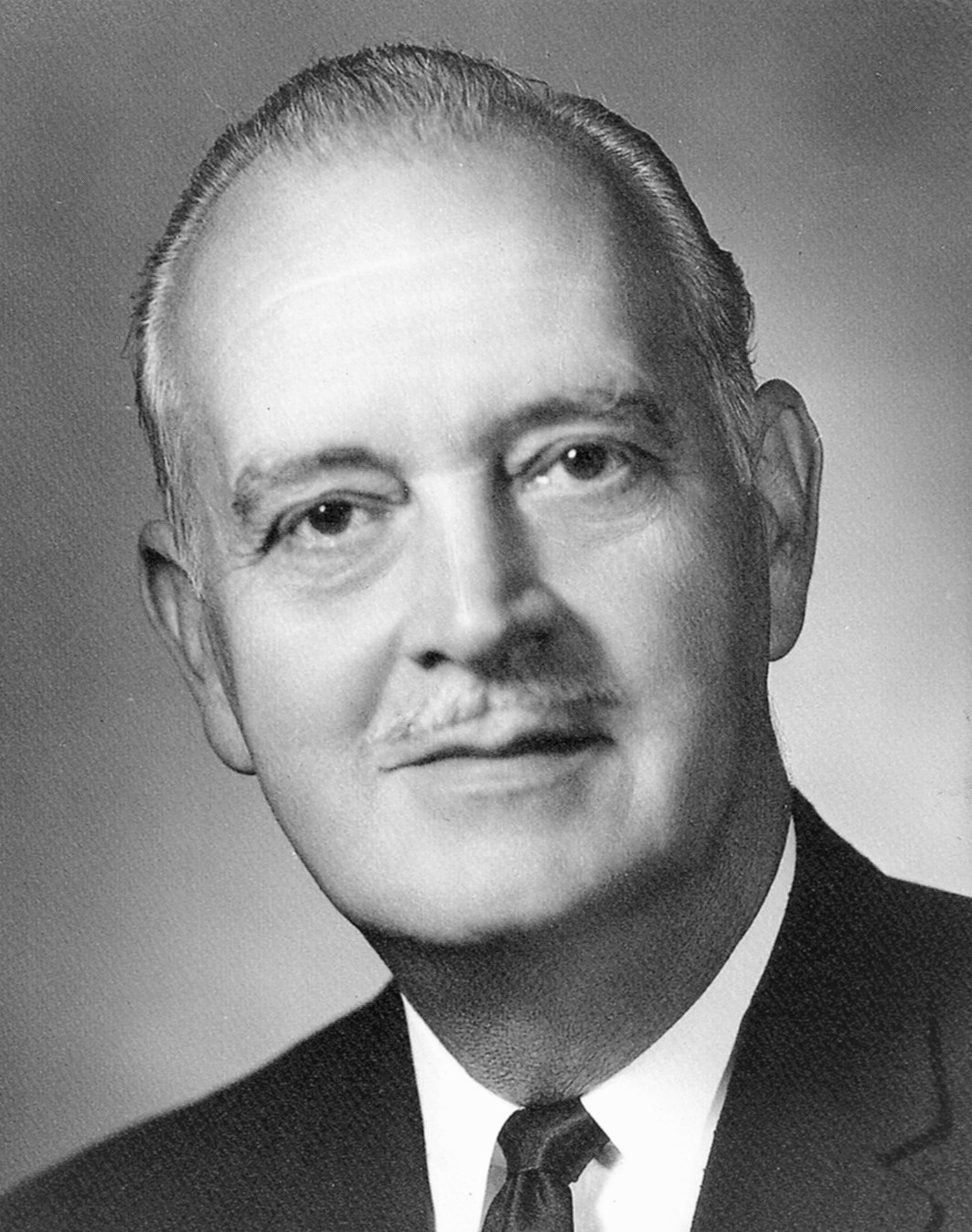
Alvin Kitchin
Former U.S. Representative · North Carolina District 8 · 1957–1963 · Democratic
Alvin Kitchin represented North Carolina's District 8 in the United States House of Representatives (1957–1963) for the Democratic party. The page below collects sourced biographical facts, term history, committee roles, and provenance for Kitchin.
Bioguide ID: K000249
Key facts
- Full name
- Alvin Kitchin
- State
- North Carolina
- District
- District 8
- Party
- Democratic
- House service
- 1957–1963
- First House term
- 1957
- Status
- Left office
- Current term ends
- —
- Born
- 1908
- Bioguide ID
- K000249
- Committee assignments
- —
- Dataset version
- 1.20260605
Biographical narrative
918 words · sourced from the Wikipedia REST extract
Alvin Kitchin was a prominent figure in North Carolina's political landscape during the mid-20th century, serving as a U.S. Representative for the state's 8th congressional district. A member of the Democratic Party, Kitchin's congressional career spanned three terms from 1957 until 1963. His political lineage, coupled with a diverse professional background, shaped his approach to governance and legislation during a transformative period in American history.
Early life and career
Alvin Paul Kitchin was born on September 13, 1908, in Scotland Neck, North Carolina. He was born into a politically active family; his grandfather, William H. Kitchin, had served as a congressman, while his uncle, Claude Kitchin, also held a congressional seat. Additionally, his uncle William Walton Kitchin served as the Governor of North Carolina. This familial backdrop provided Kitchin with a unique perspective on public service and governance from an early age. His father, A. Paul Kitchin Sr., was a member of the North Carolina House of Representatives at the time of Alvin's birth, further embedding him in a culture of political engagement.
Kitchin received his early education in the public school system before attending Oak Ridge Military Academy from 1923 to 1925. He later graduated from Wake Forest College Law School in 1930. Following his graduation, he was admitted to the bar and began practicing law in Scotland Neck, establishing a foundation for his future career in public service.
In 1933, Kitchin transitioned from law to a career with the Federal Bureau of Investigation (FBI). His tenure with the FBI was marked by significant responsibilities, as he served as special agent in charge of various offices in major cities, including Newark, New Jersey; New Orleans, Louisiana; and Dallas, Texas. His work in the FBI provided him with valuable experience in law enforcement and federal operations, which would later inform his legislative priorities. Kitchin retired from the FBI in August 1945 and returned to the practice of law in Wadesboro, North Carolina, which was also the hometown of his wife.
House tenure
Kitchin's political career in the U.S. House of Representatives began in 1956 when he was elected as a Democrat to the 85th Congress. His election came in the wake of a local party decision to reject the incumbent, Charles B. Deane, due to Deane's refusal to sign the Southern Manifesto, a document that opposed desegregation and was a response to the Supreme Court's decision in Brown v. Board of Education. Kitchin's strong support for the Southern Manifesto positioned him favorably within the Democratic Party in North Carolina, leading to his election.
Kitchin served three consecutive terms in the House, representing North Carolina's 8th district. He was re-elected to the 86th Congress, which spanned from January 3, 1959, to January 3, 1961, and subsequently to the 87th Congress. His time in office coincided with a period of significant social and political change in the United States, particularly regarding civil rights and social justice issues. Kitchin's alignment with the Democratic Party's Southern wing reflected the complex dynamics of the era, as many Southern Democrats grappled with the implications of federal civil rights legislation.
Despite his initial electoral success, Kitchin faced challenges in his political career. In 1962, redistricting altered the political landscape of North Carolina, leading to a competitive re-election campaign. His Republican colleague, Charles R. Jonas, contested the seat in the newly drawn 8th district and ultimately defeated Kitchin. This loss marked the end of Kitchin's congressional tenure, concluding his service on January 3, 1963.
Following his departure from Congress, Kitchin returned to his legal practice in Wadesboro, where he continued to reside until his death on October 22, 1983. He was interred at East View Cemetery in Wadesboro, leaving behind a legacy intertwined with the political history of North Carolina.
Legislative focus and committees
During his time in the House of Representatives, Kitchin's legislative focus was influenced by the political climate of the 1950s and early 1960s. His alignment with the Southern Manifesto indicated a commitment to the interests and perspectives of Southern constituents, particularly in the context of civil rights and desegregation. While specific details regarding the legislation he sponsored or voted on are not provided, it can be inferred that Kitchin's positions would have reflected the prevailing attitudes of many Southern Democrats during this tumultuous period.
Kitchin's committee assignments during his congressional tenure would have played a crucial role in shaping his legislative priorities and influence. Although specific committees are not mentioned in the provided information, members of Congress typically serve on committees that align with their interests and the needs of their constituents. These committees are instrumental in the legislative process, allowing representatives to advocate for policies and initiatives that address the concerns of their districts.
The political landscape of the time was marked by significant debates over civil rights, economic policy, and social welfare programs. As a member of the Democratic Party, Kitchin would have engaged with these issues, navigating the complexities of party politics and regional interests. His experiences in the FBI may have also informed his perspectives on law enforcement and public safety, potentially influencing his legislative actions.
In summary, Alvin Kitchin's career as a U.S. Representative was shaped by his early life, professional experiences, and the political dynamics of his time. His tenure in Congress, while ultimately concluding with a defeat, reflected the challenges and transformations occurring within the United States during the mid-20th century. His legacy is a testament to the intricate interplay of family, profession, and politics in shaping the lives of public servants.
Notable legislation
Sponsored and co-sponsored legislation for Alvin Kitchin is pending operator curation. The biographical narrative above carries the same provenance trail until per-bill rows are written.
Sources
- [1]https://en.wikipedia.org/wiki/A._Paul_KitchinWikipedia · retrieved 2026-06-05
Notable quotes
Sourced quotes for Alvin Kitchin are pending operator curation. Narrative-scope provenance remains attached below.
Sources
- [1]https://en.wikipedia.org/wiki/A._Paul_KitchinWikipedia · retrieved 2026-06-05
Key positions
Curated policy positions for Alvin Kitchin are pending operator review. The biographical narrative above carries the same provenance trail until per-topic positions are written.
Sources
- [1]https://en.wikipedia.org/wiki/A._Paul_KitchinWikipedia · retrieved 2026-06-05
Terms served
- 1957–1959U.S. House · Term 1 · Democratic
- 1959–1961U.S. House · Term 2 · Democratic
- 1961–1963U.S. House · Term 3 · Democratic
Sources & provenance
Every attributable claim above carries a per-section [N] marker that resolves to the corresponding URL below. Each entry records the upstream provider, the canonical URL, and the timestamp at which the source was retrieved by the ingest pipeline.
Key facts
- https://bioguide.congress.gov/search/bio/K000249bioguide · retrieved 2026-06-05
- https://www.govtrack.us/congress/members/406408govtrack · retrieved 2026-06-05
Biographical narrative
- https://en.wikipedia.org/wiki/A._Paul_Kitchinwikipedia · retrieved 2026-06-05
Find your representative
Every U.S. state elects representatives by district. Browse North Carolina’s delegation, the full former-representative roster, or explore the role and term length.
Related on The Candidate
- Preceded by Charles DeaneEarlier holder of the North Carolina District 8 House seat · Democratic.Open
- Succeeded by Earl RuthLater holder of the North Carolina District 8 House seat · Republican.Open
- Alfred GatlinFormer U.S. Representative · North Carolina District 1 · Crawford RepublicanOpen
- Clinton CobbFormer U.S. Representative · North Carolina District 1 · RepublicanOpen
- Eva ClaytonFormer U.S. Representative · North Carolina District 1 · DemocraticOpen
- Frank Ballance Jr.Former U.S. Representative · North Carolina District 1 · DemocraticOpen