
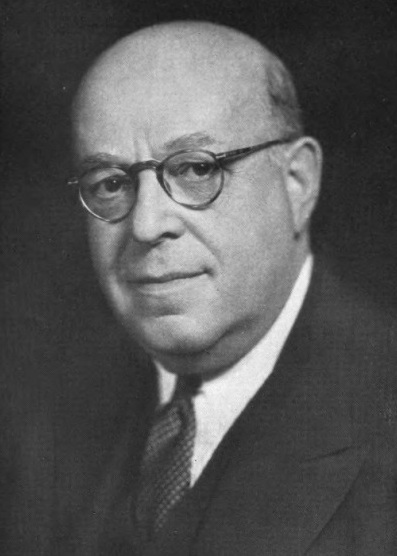
Historical · U.S. House · New York · District 17
Theodore Peyser
Former U.S. Representative · New York District 17 · 1933–1939 · Democratic
Theodore Peyser represented New York's District 17 in the United States House of Representatives (1933–1939) for the Democratic party. The page below collects sourced biographical facts, term history, committee roles, and provenance for Peyser.
Bioguide ID: P000281
Key facts
- Full name
- Theodore Peyser
- State
- New York
- District
- District 17
- Party
- Democratic
- House service
- 1933–1939
- First House term
- 1933
- Status
- Left office
- Current term ends
- —
- Born
- 1873
- Bioguide ID
- P000281
- Committee assignments
- —
- Dataset version
- 1.20260605
Biographical narrative
871 words · sourced from the Wikipedia REST extract
Theodore Peyser was an American businessman and politician who served as a Democratic member of the United States House of Representatives for New York's 17th congressional district from 1933 until his death in 1937. Born in West Virginia, Peyser transitioned from a career in sales to politics, where he became known for his opposition to prohibition and his support for various New Deal initiatives. His tenure in Congress was marked by active engagement in legislative matters and a commitment to representing his constituents.
Early life and career
Theodore Albert Peyser was born on February 18, 1873, in Charleston, West Virginia. He spent his early years in Charleston, where he attended public schools until the age of 11. Due to family circumstances, he had to leave school at a young age to help support his family. This early experience instilled in him a strong work ethic, which would later influence his professional endeavors.
In 1893, Peyser relocated to Cincinnati, Ohio, where he began his career as a traveling salesman. This role allowed him to develop valuable skills in sales and customer relations. After several years in Cincinnati, he moved to New York City in 1900. There, he entered the life insurance industry, where he achieved significant success. Peyser became known for his ability to sell high-value life insurance policies, reportedly selling million-dollar policies to numerous clients. His accomplishments in the insurance field laid a solid foundation for his later political career, as he developed a network of contacts and an understanding of the financial concerns of individuals and families.
House tenure
Peyser's political career began in earnest when he was elected to the United States House of Representatives in 1932. He successfully defeated the incumbent representative, Ruth Pratt, to represent New York's 17th congressional district. His first term in Congress began on March 4, 1933, and he would serve a total of three terms until his death on August 8, 1937. During his time in office, Peyser was known for his active participation in legislative discussions and his commitment to addressing the needs of his constituents.
Throughout his congressional tenure, Peyser aligned himself with many of the policies and initiatives put forth by President Franklin D. Roosevelt, particularly those related to the New Deal. The New Deal was a series of programs and reforms aimed at addressing the economic challenges of the Great Depression. Peyser's support for these initiatives reflected his understanding of the economic difficulties faced by many Americans during this period.
However, Peyser also demonstrated independence in his political views. He was a vocal opponent of prohibition, advocating for a shift in policy that would address the social and economic issues associated with alcohol consumption. He proposed a plan that aimed to "tax the thirsty and feed the hungry," suggesting that taxation on alcohol could be used to fund social programs and alleviate hunger. This stance highlighted his willingness to challenge prevailing norms and advocate for practical solutions to complex problems.
In addition to his opposition to prohibition, Peyser played a role in securing federal funding for various projects, including the development of an airport on Governor's Island. His efforts in this area reflected his commitment to infrastructure development and economic growth within his district and beyond.
Legislative focus and committees
During his time in the House of Representatives, Peyser was involved in various legislative initiatives and discussions that aligned with the interests of his constituents and the broader goals of the Democratic Party. His legislative focus included economic recovery efforts, social welfare programs, and infrastructure development. Peyser's alignment with the New Deal policies indicated his commitment to addressing the economic challenges of the time and improving the lives of his constituents.
Peyser's participation in congressional committees allowed him to influence legislation and advocate for issues important to his district. While specific committee assignments during his tenure are not detailed, it is common for members of Congress to serve on committees that align with their interests and expertise. Through these committees, Peyser would have had the opportunity to engage with fellow lawmakers, contribute to policy discussions, and work on legislation that impacted his constituents.
Despite his support for many of President Roosevelt's initiatives, Peyser did not agree with the president's proposal for expanding the Supreme Court. This disagreement illustrates his independent thinking and willingness to voice his opinions on significant national issues, even when they diverged from the administration's position.
Peyser's legislative contributions and advocacy efforts were cut short when he passed away on August 8, 1937, while still in office. His death marked the end of a political career that had begun with a commitment to public service and a focus on addressing the needs of his constituents. Following his passing, he was remembered for his contributions to the House of Representatives and his efforts to improve the lives of those he represented.
In summary, Theodore Peyser's life and career reflect the journey of a dedicated public servant who transitioned from a successful business career to a role in politics. His tenure in the U.S. House of Representatives was characterized by active engagement in legislative matters, a commitment to addressing the challenges of his time, and a willingness to advocate for the interests of his constituents.
Notable legislation
Sponsored and co-sponsored legislation for Theodore Peyser is pending operator curation. The biographical narrative above carries the same provenance trail until per-bill rows are written.
Sources
- [1]https://en.wikipedia.org/wiki/Theodore_A._PeyserWikipedia · retrieved 2026-06-05
Notable quotes
Sourced quotes for Theodore Peyser are pending operator curation. Narrative-scope provenance remains attached below.
Sources
- [1]https://en.wikipedia.org/wiki/Theodore_A._PeyserWikipedia · retrieved 2026-06-05
Key positions
Curated policy positions for Theodore Peyser are pending operator review. The biographical narrative above carries the same provenance trail until per-topic positions are written.
Sources
- [1]https://en.wikipedia.org/wiki/Theodore_A._PeyserWikipedia · retrieved 2026-06-05
Terms served
- 1933–1935U.S. House · Term 1 · Democratic
- 1935–1937U.S. House · Term 2 · Democratic
- 1937–1939U.S. House · Term 3 · Democratic
Sources & provenance
Every attributable claim above carries a per-section [N] marker that resolves to the corresponding URL below. Each entry records the upstream provider, the canonical URL, and the timestamp at which the source was retrieved by the ingest pipeline.
Key facts
- https://bioguide.congress.gov/search/bio/P000281bioguide · retrieved 2026-06-05
- https://www.govtrack.us/congress/members/408681govtrack · retrieved 2026-06-05
Biographical narrative
- https://en.wikipedia.org/wiki/Theodore_A._Peyserwikipedia · retrieved 2026-06-05
Find your representative
Every U.S. state elects representatives by district. Browse New York’s delegation, the full former-representative roster, or explore the role and term length.
Related on The Candidate
- Preceded by Ruth PrattEarlier holder of the New York District 17 House seat · Republican.Open
- Succeeded by Joseph BaldwinLater holder of the New York District 17 House seat · Republican.Open
- Abel HuntingtonFormer U.S. Representative · New York District 1 · JacksonOpen
- Alfred ChapinFormer U.S. Representative · New York District 1 · DemocraticOpen
- Cadwallader ColdenFormer U.S. Representative · New York District 1 · FederalistOpen
- Charles FloydFormer U.S. Representative · New York District 1 · DemocraticOpen