
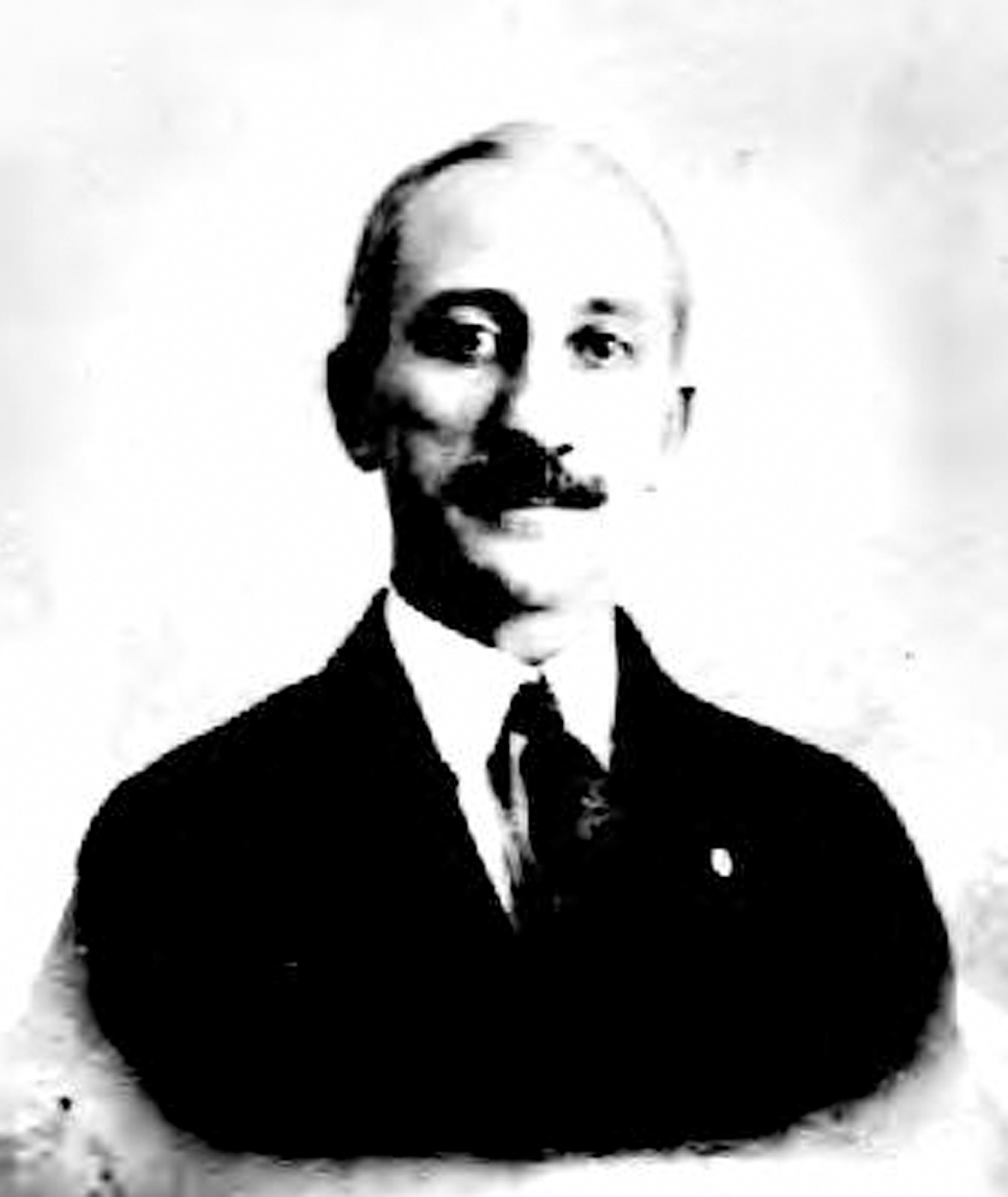
Historical · U.S. House · New York · District 17
William Cohen
Former U.S. Representative · New York District 17 · 1927–1929 · Democratic
William Cohen represented New York's District 17 in the United States House of Representatives (1927–1929) for the Democratic party. The page below collects sourced biographical facts, term history, committee roles, and provenance for Cohen.
Bioguide ID: C000599
Key facts
- Full name
- William Cohen
- State
- New York
- District
- District 17
- Party
- Democratic
- House service
- 1927–1929
- First House term
- 1927
- Status
- Left office
- Current term ends
- —
- Born
- 1874
- Bioguide ID
- C000599
- Committee assignments
- —
- Dataset version
- 1.20260606
Biographical narrative
862 words · sourced from the Wikipedia REST extract
William Cohen was an American businessman and politician who served as a U.S. Representative from New York's 17th congressional district from 1927 to 1929. A member of the Democratic Party, Cohen's tenure in Congress was marked by his involvement in various business sectors prior to his political career. He was born in Brooklyn, New York, and spent much of his life engaged in commerce and public service, reflecting the diverse experiences that shaped his approach to governance.
Early life and career
William Wolfe Cohen was born on September 6, 1874, in Brooklyn, New York, to parents who had emigrated to the United States. His father, Bernard Cohen, was of Russian descent, while his mother, Frederica Cronocher, was of German heritage. Growing up in Brooklyn, Cohen attended public schools, which provided him with a foundational education that would serve him throughout his life. The cultural backdrop of his upbringing in a diverse urban environment likely influenced his perspectives and aspirations.
Cohen initially entered the business world by joining his father in the shoe manufacturing industry. This early experience in a family business would have equipped him with practical skills and insights into the challenges and opportunities faced by entrepreneurs. However, in 1903, he transitioned from the shoe manufacturing sector to the banking and brokerage business. This shift marked a significant change in his career trajectory, allowing him to engage with the financial markets and gain a deeper understanding of economic dynamics.
As a member of the New York Stock Exchange, Cohen became well-acquainted with the intricacies of financial transactions and investments. His role as a director of the New York Cotton Exchange further solidified his standing in the financial community. Through these positions, he developed a network of professional contacts and an understanding of the economic landscape that would later inform his political decisions.
In addition to his business endeavors, Cohen was active in various civic organizations. He served as vice chairman of the Public Schools Athletic League, reflecting his commitment to youth and education. His involvement in this organization demonstrated his belief in the importance of physical education and sports for young people. Furthermore, he held the honorary title of deputy chief of the New York City Fire Department, a role that underscored his dedication to public service and community safety.
House tenure
Cohen's political career began when he was elected as a Democrat to the Seventieth Congress, serving from March 4, 1927, to March 3, 1929. His election to the U.S. House of Representatives represented a significant step in his public service career, allowing him to influence national policy and advocate for the interests of his constituents in New York's 17th congressional district. During his time in Congress, Cohen participated in the legislative process, contributing to discussions and decisions that shaped the direction of the country during a period marked by economic challenges and social change.
Despite his active role in Congress, Cohen did not seek renomination in 1928, concluding his single term in the House. The decision not to run for re-election may have been influenced by various factors, including personal considerations or a desire to return to his business pursuits. After leaving Congress, Cohen resumed his previous business activities in New York City, where he continued to apply his expertise in finance and commerce.
Legislative focus and committees
While specific details regarding Cohen's legislative focus and committee assignments during his time in Congress are not extensively documented, his background in banking and business likely informed his policy interests. As a member of the Democratic Party during the late 1920s, he would have been involved in discussions surrounding economic policy, financial regulation, and social welfare programs, all of which were pertinent issues during this era.
Cohen's experience in the financial sector may have led him to advocate for policies that supported economic growth and stability. Additionally, his involvement in civic organizations and public service could have influenced his perspectives on education, youth programs, and community safety. These areas of interest would align with the broader goals of the Democratic Party at the time, which sought to address the needs of working-class Americans and promote social equity.
In the years following his congressional tenure, Cohen remained active in public discourse, particularly regarding issues of social justice and human rights. In the 1930s, he was a vocal opponent of the Nazi regime in Germany, advocating for a boycott of German goods. His strong stance against the Nazi government reflected his commitment to Jewish identity and solidarity, as well as his belief in the importance of standing against oppression and injustice. This advocacy highlighted Cohen's engagement with international issues and his concern for the welfare of marginalized communities.
William Cohen passed away on October 12, 1940, in New York City. In accordance with his Jewish faith, he was interred in Mount Neboh Cemetery in Brooklyn, New York. His life and career exemplify the intersections of business, politics, and community service, illustrating the diverse pathways through which individuals can contribute to society. Cohen's legacy as a businessman and public servant remains a testament to the impact of civic engagement and the importance of advocating for the rights and needs of others.
Notable legislation
Sponsored and co-sponsored legislation for William Cohen is pending operator curation. The biographical narrative above carries the same provenance trail until per-bill rows are written.
Sources
- [1]https://en.wikipedia.org/wiki/William_W._CohenWikipedia · retrieved 2026-06-06
Notable quotes
Sourced quotes for William Cohen are pending operator curation. Narrative-scope provenance remains attached below.
Sources
- [1]https://en.wikipedia.org/wiki/William_W._CohenWikipedia · retrieved 2026-06-06
Key positions
Curated policy positions for William Cohen are pending operator review. The biographical narrative above carries the same provenance trail until per-topic positions are written.
Sources
- [1]https://en.wikipedia.org/wiki/William_W._CohenWikipedia · retrieved 2026-06-06
Terms served
- 1927–1929U.S. House · Term 1 · Democratic
Sources & provenance
Every attributable claim above carries a per-section [N] marker that resolves to the corresponding URL below. Each entry records the upstream provider, the canonical URL, and the timestamp at which the source was retrieved by the ingest pipeline.
Key facts
- https://bioguide.congress.gov/search/bio/C000599bioguide · retrieved 2026-06-06
- https://www.govtrack.us/congress/members/402728govtrack · retrieved 2026-06-06
Biographical narrative
- https://en.wikipedia.org/wiki/William_W._Cohenwikipedia · retrieved 2026-06-06
Find your representative
Every U.S. state elects representatives by district. Browse New York’s delegation, the full former-representative roster, or explore the role and term length.
Related on The Candidate
- Preceded by Ogden MillsEarlier holder of the New York District 17 House seat · Republican.Open
- Succeeded by Ruth PrattLater holder of the New York District 17 House seat · Republican.Open
- Abel HuntingtonFormer U.S. Representative · New York District 1 · JacksonOpen
- Alfred ChapinFormer U.S. Representative · New York District 1 · DemocraticOpen
- Cadwallader ColdenFormer U.S. Representative · New York District 1 · FederalistOpen
- Charles FloydFormer U.S. Representative · New York District 1 · DemocraticOpen