
Historical · U.S. House · New York · District 24
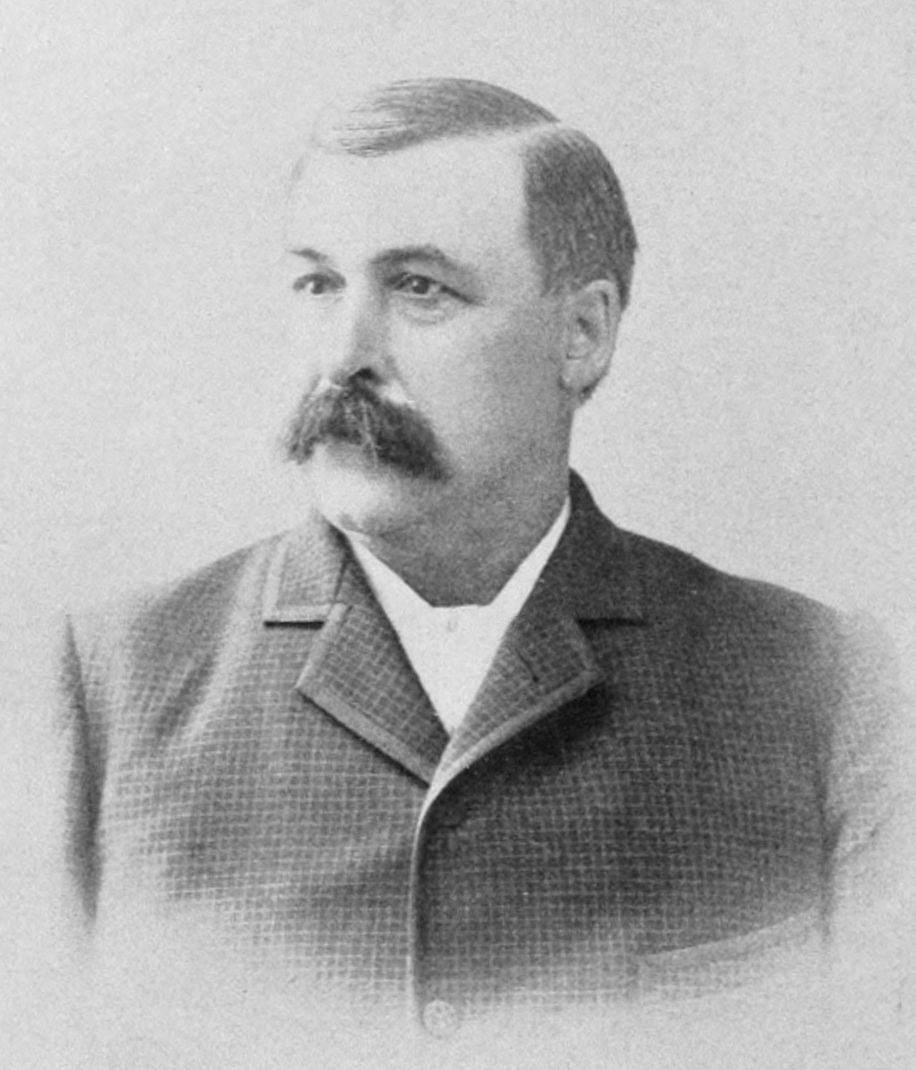
Charles Chickering
Former U.S. Representative · New York District 24 · 1893–1901 · Republican
Charles Chickering represented New York's District 24 in the United States House of Representatives (1893–1901) for the Republican party. The page below collects sourced biographical facts, term history, committee roles, and provenance for Chickering.
Bioguide ID: C000351
Key facts
- Full name
- Charles Chickering
- State
- New York
- District
- District 24
- Party
- Republican
- House service
- 1893–1901
- First House term
- 1893
- Status
- Left office
- Current term ends
- —
- Born
- 1843
- Bioguide ID
- C000351
- Committee assignments
- —
- Dataset version
- 1.20260606
Biographical narrative
807 words · sourced from the Wikipedia REST extract
Charles Chickering was a U.S. Representative from New York who served four terms in the House of Representatives as a member of the Republican Party. His congressional career spanned from 1893 until his untimely death in 1900. Known for his involvement in local education and politics prior to his congressional service, Chickering's legislative focus included transportation and infrastructure, particularly as the chairman of the Committee on Railways and Canals.
Early life and career
Charles Addison Chickering was born on November 26, 1843, in Harrisburg, New York. He received his early education in the common schools of the area and furthered his studies at Lowville Academy. After completing his education, Chickering took on the role of a teacher at Lowville Academy, contributing to the educational landscape of his community. His career in education was complemented by his involvement in business, where he became a hardware merchant, establishing himself in the local economy.
Chickering's public service began in earnest when he was appointed as the school commissioner of Lewis County, a position he held from 1865 to 1875. This role allowed him to influence educational policy and administration at a local level. His political career continued to develop as he was elected to the New York State Assembly, representing Lewis County in the years 1879, 1880, and 1881. His experience in the Assembly led to his appointment as Clerk of the Assembly from 1884 to 1890, a position that involved overseeing legislative procedures and maintaining official records.
In addition to his legislative roles, Chickering was active in the Republican Party at both the county and state levels. He served as the chairman of the Lewis County Republican Committee and was a member of the Republican State Committee, where he held the position of secretary and participated in the executive committee. His involvement in these organizations helped to shape the political landscape in New York and established his reputation as a dedicated party member.
House tenure
Chickering's congressional career began when he was elected as a Republican to the Fifty-third Congress, which commenced on March 4, 1893. He was subsequently re-elected to three additional terms, serving through the Fifty-sixth Congress. Throughout his time in office, Chickering represented New York's 24th congressional district. His tenure in the House was marked by a commitment to the issues facing his constituents and the nation at large.
During his time in Congress, Chickering was involved in various legislative initiatives and discussions, particularly those related to infrastructure and transportation. His leadership capabilities were recognized when he was appointed as the chairman of the Committee on Railways and Canals, a position he held during the Fifty-fourth through Fifty-sixth Congresses. In this role, he played a significant part in shaping policies related to the nation's railway systems and canal infrastructure, which were critical to economic development and transportation during that era.
Chickering's congressional career was cut short due to a tragic accident. On February 13, 1900, while on a business trip in New York City, he fell from a window of the Grand Union Hotel, resulting in injuries that led to his death. His passing was a significant loss to his constituents and the Republican Party, as he had been an active and engaged member of Congress.
Legislative focus and committees
Throughout his congressional tenure, Chickering's legislative focus was primarily on issues related to transportation, particularly railways and canals. As chairman of the Committee on Railways and Canals, he was responsible for overseeing legislation that impacted the development and regulation of these critical infrastructure components. The importance of railways and canals during this period cannot be overstated, as they were vital for commerce, trade, and the movement of people across the country.
Chickering's work on the committee involved addressing various challenges and opportunities within the transportation sector. He contributed to discussions on improving existing infrastructure, promoting the expansion of railway networks, and ensuring that canal systems were maintained and utilized effectively. His leadership in this area reflected the broader national interest in enhancing transportation capabilities, which were essential for economic growth and connectivity.
In addition to his focus on transportation, Chickering's legislative activities would have encompassed a range of issues pertinent to his constituents in New York. While specific details of his legislative accomplishments are not documented, his role as a member of Congress and his chairmanship of a key committee suggest that he was actively engaged in addressing the needs and concerns of his district.
Chickering's commitment to public service and his contributions to both local and national politics left a lasting impact. He was interred in Riverside Cemetery in Copenhagen, New York, where he is remembered for his dedication to his community and his role as a public servant. His life and career exemplify the interconnectedness of local governance and national representation, highlighting the importance of grassroots involvement in the political process.
Notable legislation
Sponsored and co-sponsored legislation for Charles Chickering is pending operator curation. The biographical narrative above carries the same provenance trail until per-bill rows are written.
Sources
- [1]https://en.wikipedia.org/wiki/Charles_A._ChickeringWikipedia · retrieved 2026-06-06
Notable quotes
Sourced quotes for Charles Chickering are pending operator curation. Narrative-scope provenance remains attached below.
Sources
- [1]https://en.wikipedia.org/wiki/Charles_A._ChickeringWikipedia · retrieved 2026-06-06
Key positions
Curated policy positions for Charles Chickering are pending operator review. The biographical narrative above carries the same provenance trail until per-topic positions are written.
Sources
- [1]https://en.wikipedia.org/wiki/Charles_A._ChickeringWikipedia · retrieved 2026-06-06
Terms served
- 1893–1895U.S. House · Term 1 · Republican
- 1895–1897U.S. House · Term 2 · Republican
- 1897–1899U.S. House · Term 3 · Republican
- 1899–1901U.S. House · Term 4 · Republican
Sources & provenance
Every attributable claim above carries a per-section [N] marker that resolves to the corresponding URL below. Each entry records the upstream provider, the canonical URL, and the timestamp at which the source was retrieved by the ingest pipeline.
Key facts
- https://bioguide.congress.gov/search/bio/C000351bioguide · retrieved 2026-06-06
- https://www.govtrack.us/congress/members/402490govtrack · retrieved 2026-06-06
Biographical narrative
- https://en.wikipedia.org/wiki/Charles_A._Chickeringwikipedia · retrieved 2026-06-06
Find your representative
Every U.S. state elects representatives by district. Browse New York’s delegation, the full former-representative roster, or explore the role and term length.
Related on The Candidate
- Preceded by George Van HornEarlier holder of the New York District 24 House seat · Democratic.Open
- Succeeded by George SmithLater holder of the New York District 24 House seat · Republican.Open
- Abel HuntingtonFormer U.S. Representative · New York District 1 · JacksonOpen
- Alfred ChapinFormer U.S. Representative · New York District 1 · DemocraticOpen
- Cadwallader ColdenFormer U.S. Representative · New York District 1 · FederalistOpen
- Charles FloydFormer U.S. Representative · New York District 1 · DemocraticOpen