
Historical · U.S. House · New York · District 24
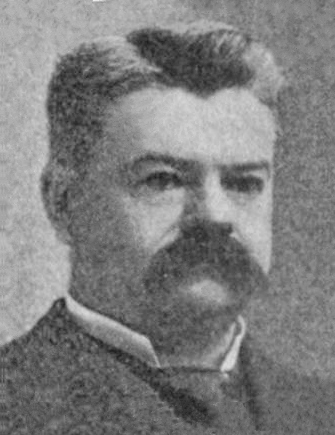
George Van Horn
Former U.S. Representative · New York District 24 · 1891–1893 · Democratic
George Van Horn represented New York's District 24 in the United States House of Representatives (1891–1893) for the Democratic party. The page below collects sourced biographical facts, term history, committee roles, and provenance for Horn.
Bioguide ID: V000041
Key facts
- Full name
- George Van Horn
- State
- New York
- District
- District 24
- Party
- Democratic
- House service
- 1891–1893
- First House term
- 1891
- Status
- Left office
- Current term ends
- —
- Born
- 1850
- Bioguide ID
- V000041
- Committee assignments
- —
- Dataset version
- 1.20260606
Biographical narrative
874 words · sourced from the Wikipedia REST extract
George Van Horn was a U.S. Representative from New York, serving in the House of Representatives during the early 1890s. A member of the Democratic Party, he represented New York's 24th congressional district from 1891 until 1893. His career encompassed various roles in local government and law, ultimately leading to his election to Congress. After his term, he returned to banking and continued to be involved in his community until his passing in 1904.
Early life and career
George Van Horn was born on February 5, 1850, in Otsego, New York. His early education took place in local common schools, which provided him with a foundational understanding of various subjects. He furthered his education at the Cooperstown Seminary and the New Berlin Academy, institutions that were known for their academic rigor during that period. This educational background laid the groundwork for his future endeavors in law and public service.
Following his studies, Van Horn pursued a career in law. He was admitted to the bar in February 1871, marking the beginning of his professional journey as a lawyer. He established his practice in Cooperstown, New York, where he became known for his legal expertise and commitment to his clients. His work in the legal field not only contributed to his personal success but also positioned him as a respected figure in his community.
In addition to his legal career, Van Horn became actively involved in local politics. He was elected as the clerk of Otsego County in 1881, a position he held with distinction and was subsequently reelected in 1884. His role as county clerk allowed him to gain valuable experience in public administration and governance. Furthermore, he served as a supervisor of Otsego, where he was reelected twice, demonstrating his popularity and the trust placed in him by his constituents.
Van Horn's political involvement extended beyond these roles; he was also a member of the Democratic county committee, which further solidified his standing within the party and his community. His engagement in local governance and his legal background provided him with a unique perspective on the needs and concerns of his constituents, which would later influence his legislative priorities in Congress.
House tenure
George Van Horn's congressional career began when he was elected as a Democrat to the Fifty-second Congress, serving from March 4, 1891, to March 3, 1893. His election to the House of Representatives was a significant milestone in his political career, allowing him to represent the interests of his district on a national level. During his time in Congress, Van Horn participated in the legislative process, contributing to discussions and decisions that would shape policies affecting his constituents and the nation as a whole.
Despite his efforts and dedication, Van Horn faced challenges in securing reelection. He ran for a second term in the Fifty-third Congress but was unsuccessful in his bid. This outcome marked the end of his formal legislative career, but his time in Congress was characterized by his commitment to public service and his engagement with the issues of the day.
Following his departure from Congress, Van Horn returned to his roots in banking. He became the vice president of the Second National Bank of Cooperstown, where he utilized his skills and experience from his legal and political careers to contribute to the financial sector. His involvement in banking allowed him to remain active in his community and continue serving the public in a different capacity.
Legislative focus and committees
While specific details about the legislative focus and committee assignments during George Van Horn's time in Congress are not extensively documented, his background in law and local governance likely influenced his priorities as a legislator. Representatives often draw upon their previous experiences when addressing issues in Congress, and Van Horn's legal expertise would have provided him with insights into the complexities of legislation.
As a member of the Democratic Party during a period of significant political and social change in the United States, Van Horn would have been involved in discussions surrounding various issues, including economic policies, social reforms, and the role of government in addressing the needs of citizens. The early 1890s were marked by economic challenges, including the Panic of 1893, which led to widespread financial instability. Legislators at the time were tasked with finding solutions to these pressing issues, and Van Horn's contributions would have been part of the broader dialogue on how to navigate such challenges.
Although his congressional tenure was relatively brief, Van Horn's commitment to public service and his engagement in local and national issues reflect the responsibilities and challenges faced by legislators in that era. After leaving Congress, he continued to be involved in his community through his work in banking, demonstrating a lifelong dedication to serving the public.
George Van Horn passed away on May 3, 1904, in Cooperstown, New York. His legacy as a public servant is remembered through his contributions to local governance, his time in Congress, and his ongoing involvement in the community. He was interred in Lakewood Cemetery, where he rests alongside other notable figures from the region. His life and career illustrate the pathways of public service and the impact that dedicated individuals can have on their communities and the nation.
Notable legislation
Sponsored and co-sponsored legislation for George Van Horn is pending operator curation. The biographical narrative above carries the same provenance trail until per-bill rows are written.
Sources
- [1]https://en.wikipedia.org/wiki/George_Van_HornWikipedia · retrieved 2026-06-06
Notable quotes
Sourced quotes for George Van Horn are pending operator curation. Narrative-scope provenance remains attached below.
Sources
- [1]https://en.wikipedia.org/wiki/George_Van_HornWikipedia · retrieved 2026-06-06
Key positions
Curated policy positions for George Van Horn are pending operator review. The biographical narrative above carries the same provenance trail until per-topic positions are written.
Sources
- [1]https://en.wikipedia.org/wiki/George_Van_HornWikipedia · retrieved 2026-06-06
Terms served
- 1891–1893U.S. House · Term 1 · Democratic
Sources & provenance
Every attributable claim above carries a per-section [N] marker that resolves to the corresponding URL below. Each entry records the upstream provider, the canonical URL, and the timestamp at which the source was retrieved by the ingest pipeline.
Key facts
- https://bioguide.congress.gov/search/bio/V000041bioguide · retrieved 2026-06-06
- https://www.govtrack.us/congress/members/411086govtrack · retrieved 2026-06-06
Biographical narrative
- https://en.wikipedia.org/wiki/George_Van_Hornwikipedia · retrieved 2026-06-06
Find your representative
Every U.S. state elects representatives by district. Browse New York’s delegation, the full former-representative roster, or explore the role and term length.
Related on The Candidate
- Preceded by David WilberEarlier holder of the New York District 24 House seat · Republican.Open
- Succeeded by Charles ChickeringLater holder of the New York District 24 House seat · Republican.Open
- Abel HuntingtonFormer U.S. Representative · New York District 1 · JacksonOpen
- Alfred ChapinFormer U.S. Representative · New York District 1 · DemocraticOpen
- Cadwallader ColdenFormer U.S. Representative · New York District 1 · FederalistOpen
- Charles FloydFormer U.S. Representative · New York District 1 · DemocraticOpen