
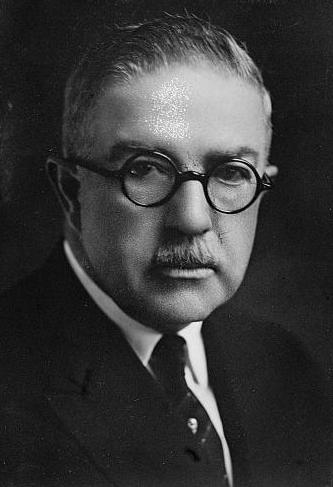
Historical · U.S. House · New York · District 7
John Quayle
Former U.S. Representative · New York District 7 · 1923–1931 · Democratic
John Quayle represented New York's District 7 in the United States House of Representatives (1923–1931) for the Democratic party. The page below collects sourced biographical facts, term history, committee roles, and provenance for Quayle.
Bioguide ID: Q000008
Key facts
- Full name
- John Quayle
- State
- New York
- District
- District 7
- Party
- Democratic
- House service
- 1923–1931
- First House term
- 1923
- Status
- Left office
- Current term ends
- —
- Born
- 1868
- Bioguide ID
- Q000008
- Committee assignments
- —
- Dataset version
- 1.20260606
Biographical narrative
1,011 words · sourced from the Wikipedia REST extract
John Quayle was an American businessman and politician who served as a U.S. Representative for New York's 7th congressional district from 1923 until his death in 1930. A member of the Democratic Party, Quayle's tenure in Congress was marked by his involvement in naval affairs and efforts to improve the Brooklyn Navy Yard. His political career was preceded by various roles in local government and business, reflecting a deep engagement with the community and its needs.
Early life and career
John Francis Quayle was born on December 1, 1868, in Brooklyn, New York. He received his education in local schools, including St. James Academy and St. Francis College, where he developed a foundation that would support his future endeavors in both business and politics. After completing his education, Quayle entered the workforce, initially operating a retail butcher business. This venture provided him with valuable experience in managing a small business and understanding the economic landscape of his community.
Quayle later transitioned into the construction industry, becoming a homebuilder. His work in this field not only contributed to the local economy but also established him as a prominent figure in Brooklyn's business community. His growing interest in public service led him to become actively involved in politics, particularly as a member of Brooklyn's Third Ward Democratic Club. This involvement marked the beginning of his political career, as he sought to represent the interests of his constituents.
In 1914, Quayle was appointed as the Deputy Collector of Internal Revenue for New York's first district, a position he held until 1919. This role allowed him to gain insights into federal revenue collection and the workings of government finance. Additionally, during the administration of Mayor John Francis Hylan, Quayle served as secretary to Frank Mann, who was the deputy commissioner of New York City's Tenement House Department. This experience further deepened his understanding of urban issues and the challenges faced by residents in densely populated areas.
Quayle's political influence continued to grow, and in 1918, he was selected as the leader of the Democratic organization in part of Brooklyn's 1st District in the New York State Assembly. His leadership role within the Kings County Democratic Party's executive committee solidified his status as a key player in local politics. From 1919 to 1923, he served as the deputy city clerk of New York City, overseeing the operations of the city clerk's office in Brooklyn. His responsibilities in this role provided him with a comprehensive understanding of municipal governance and public administration.
In 1920, Quayle participated in the Democratic National Convention as an Alternate Delegate, further expanding his political network and influence. His growing prominence within the Democratic Party set the stage for his candidacy for the U.S. House of Representatives.
House tenure
Quayle's political career reached a significant milestone in 1922 when he became the Democratic nominee for the U.S. House of Representatives from New York's 7th congressional district. He successfully won the election and took office on March 4, 1923. Over the course of his congressional career, Quayle was re-elected three times, serving a total of four terms in the House. His tenure lasted until his death on November 27, 1930.
During his time in Congress, Quayle was an active member of the Naval Affairs Committee. His work on this committee was particularly focused on advocating for improvements to the Brooklyn Navy Yard, which was a significant facility for naval construction and repair. Quayle's efforts in this area reflected his commitment to supporting the military and ensuring that the Navy had the necessary resources and infrastructure to operate effectively.
Quayle's congressional career was characterized by his dedication to his constituents and his efforts to address the needs of the community he represented. He worked to promote legislation that would benefit the people of Brooklyn and the broader New York area. His ability to navigate the complexities of federal legislation and advocate for local interests was a hallmark of his time in office.
Tragically, Quayle's service in Congress was cut short when he passed away shortly after the 1930 elections. Although he had been elected to serve a new term in the 72nd Congress, he did not live to take office. Following his death, a special election was held in February 1931 to fill the vacancy he left behind. Matthew Vincent O'Malley won this election, but he too passed away before being sworn in, leaving the seat vacant until John J. Delaney was elected in November 1931.
Legislative focus and committees
Throughout his time in the U.S. House of Representatives, Quayle's legislative focus was primarily centered on naval affairs, reflecting both his background and the strategic importance of the Brooklyn Navy Yard. His role on the Naval Affairs Committee allowed him to engage with issues related to national defense and military readiness, which were particularly pertinent during the interwar period leading up to World War II.
Quayle's advocacy for improvements to the Brooklyn Navy Yard was indicative of his commitment to supporting the local economy and ensuring that the naval facility remained a vital component of the nation's defense infrastructure. The Navy Yard was not only a significant employer in the area but also played a crucial role in the construction and maintenance of naval vessels.
In addition to his work on naval issues, Quayle's broader legislative agenda likely included a range of topics relevant to his constituents, such as economic development, labor issues, and infrastructure improvements. His previous experience in local government and business would have informed his understanding of the challenges faced by his community, enabling him to advocate effectively for policies that would benefit the residents of Brooklyn.
Quayle's tenure in Congress was marked by a dedication to public service and a focus on the needs of his constituents. His involvement in the Naval Affairs Committee and his efforts to improve the Brooklyn Navy Yard underscored his commitment to both local and national interests. Quayle's legacy is remembered as one of service to his community and the nation, reflecting the values of the Democratic Party during his time in office.
Notable legislation
Sponsored and co-sponsored legislation for John Quayle is pending operator curation. The biographical narrative above carries the same provenance trail until per-bill rows are written.
Sources
- [1]https://en.wikipedia.org/wiki/John_Quayle_(politician)Wikipedia · retrieved 2026-06-06
Notable quotes
Sourced quotes for John Quayle are pending operator curation. Narrative-scope provenance remains attached below.
Sources
- [1]https://en.wikipedia.org/wiki/John_Quayle_(politician)Wikipedia · retrieved 2026-06-06
Key positions
Curated policy positions for John Quayle are pending operator review. The biographical narrative above carries the same provenance trail until per-topic positions are written.
Sources
- [1]https://en.wikipedia.org/wiki/John_Quayle_(politician)Wikipedia · retrieved 2026-06-06
Terms served
- 1923–1925U.S. House · Term 1 · Democratic
- 1925–1927U.S. House · Term 2 · Democratic
- 1927–1929U.S. House · Term 3 · Democratic
- 1929–1931U.S. House · Term 4 · Democratic
Sources & provenance
Every attributable claim above carries a per-section [N] marker that resolves to the corresponding URL below. Each entry records the upstream provider, the canonical URL, and the timestamp at which the source was retrieved by the ingest pipeline.
Key facts
- https://bioguide.congress.gov/search/bio/Q000008bioguide · retrieved 2026-06-06
- https://www.govtrack.us/congress/members/408971govtrack · retrieved 2026-06-06
Biographical narrative
- https://en.wikipedia.org/wiki/John_Quayle_(politician)wikipedia · retrieved 2026-06-06
Find your representative
Every U.S. state elects representatives by district. Browse New York’s delegation, the full former-representative roster, or explore the role and term length.
Related on The Candidate
- Preceded by Michael HoganEarlier holder of the New York District 7 House seat · Republican.Open
- Succeeded by Benjamin RosenthalLater holder of the New York District 7 House seat · Democratic.Open
- Abel HuntingtonFormer U.S. Representative · New York District 1 · JacksonOpen
- Alfred ChapinFormer U.S. Representative · New York District 1 · DemocraticOpen
- Cadwallader ColdenFormer U.S. Representative · New York District 1 · FederalistOpen
- Charles FloydFormer U.S. Representative · New York District 1 · DemocraticOpen