
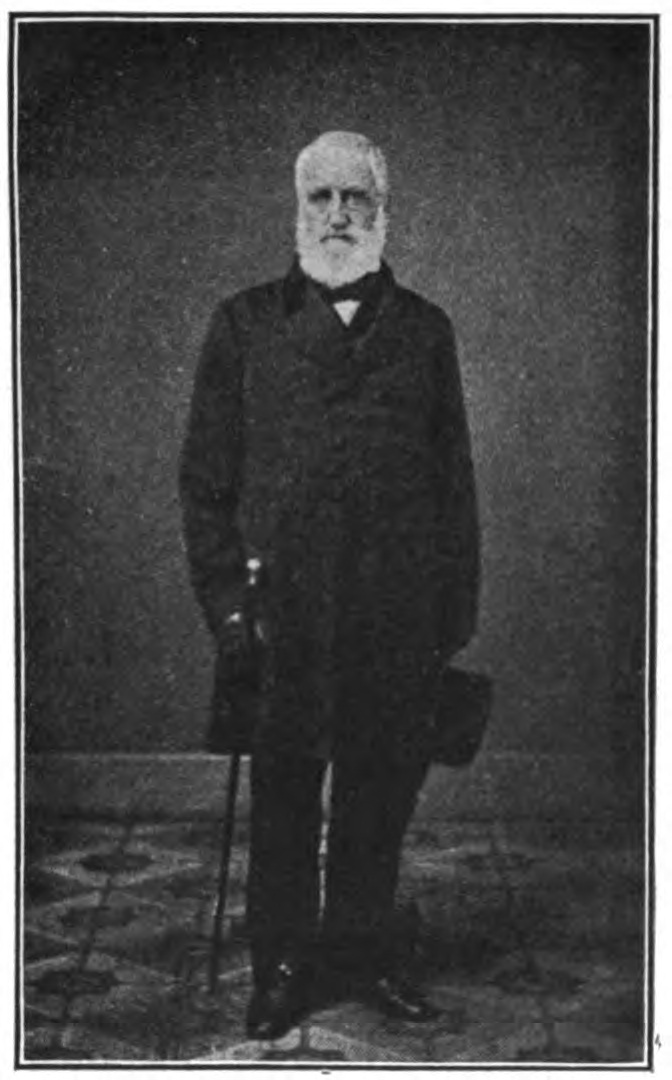
Historical · U.S. House · Ohio · District 10
Samson Mason
Former U.S. Representative · Ohio District 10 · 1835–1843 · Whig
Samson Mason represented Ohio's District 10 in the United States House of Representatives (1835–1843) for the Whig party. The page below collects sourced biographical facts, term history, committee roles, and provenance for Mason.
Bioguide ID: M000225
Key facts
- Full name
- Samson Mason
- State
- Ohio
- District
- District 10
- Party
- Whig
- House service
- 1835–1843
- First House term
- 1835
- Status
- Left office
- Current term ends
- —
- Born
- 1793
- Bioguide ID
- M000225
- Committee assignments
- —
- Dataset version
- 1.20260606
Biographical narrative
856 words · sourced from the Wikipedia REST extract
Samson Mason was a prominent American politician who served as a U.S. Representative for Ohio's 10th congressional district during the early 19th century. A member of the Whig Party, Mason's political career spanned several decades, during which he held various significant positions in both state and federal government. His tenure in the U.S. House of Representatives was marked by his involvement in legislative processes and his contributions to local governance in Ohio.
Early life and career
Samson Mason was born on July 24, 1793, in Fort Ann, located in Washington County, New York. He received his early education in common schools in the nearby region of Onondaga, New York. Following his schooling, Mason pursued a legal career, studying law and eventually gaining admission to the bar, which allowed him to practice law in Springfield, Ohio. His legal career began to flourish as he became actively involved in the local legal community.
In 1822, Mason was appointed as the prosecuting attorney for Clark County, Ohio, a role that provided him with valuable experience in the legal and political landscape of the state. His commitment to public service continued as he was elected to the Ohio State Senate, where he served from 1829 to 1831. During this time, he contributed to various legislative efforts and gained recognition as a capable leader.
Mason's judicial career advanced when he was appointed as the president judge of the court of common pleas in 1834. This position further solidified his standing in the legal community and showcased his expertise in judicial matters. His experiences in law and governance laid the groundwork for his future political endeavors.
House tenure
Samson Mason's entry into national politics began when he was elected as an Anti-Jacksonian to the Twenty-fourth Congress, which convened in 1835. His election marked the beginning of a significant period in his career, as he was subsequently re-elected to three additional terms in the U.S. House of Representatives, serving until March 3, 1843. Throughout his time in Congress, Mason was affiliated with the Whig Party, which emerged as a major political force in the United States during the 1830s and 1840s.
During his tenure in the House, Mason participated in various legislative activities and discussions that shaped the political landscape of the time. He was appointed as the chairman of the Committee on Revisal and Unfinished Business during the Twenty-fifth Congress, a role that involved overseeing legislative matters that required further consideration. His leadership in this capacity highlighted his organizational skills and ability to navigate complex legislative processes.
Mason's congressional career was characterized by his commitment to the principles of the Whig Party, which advocated for economic modernization and infrastructure development. However, he chose not to seek renomination after his final term, marking the end of his direct involvement in national politics. His decision to step back from the political arena allowed him to focus on other pursuits in public service and law.
Legislative focus and committees
Throughout his time in the U.S. House of Representatives, Samson Mason's legislative focus aligned with the broader goals of the Whig Party, which included promoting economic growth, infrastructure development, and a strong federal government. While specific details of the legislation he supported are not extensively documented, his role as chairman of the Committee on Revisal and Unfinished Business suggests that he was involved in important discussions regarding the legislative agenda and priorities of Congress during his tenure.
In addition to his congressional responsibilities, Mason's political career extended beyond the federal level. After his time in the House, he continued to engage in public service at the state level. In 1844, he served as a presidential elector for the Whig candidates Henry Clay and James Frelinghuysen, further demonstrating his ongoing commitment to the party and its principles.
Mason's involvement in state politics continued as he served in the Ohio House of Representatives in 1845 and 1846. His experience in both state and federal government provided him with a comprehensive understanding of the political landscape and the challenges facing Ohio and the nation during a period of significant change.
In the later years of his career, Mason was appointed as the United States Attorney for Ohio, serving from 1850 to 1853. This role allowed him to further contribute to the legal system and uphold the rule of law in the state. Additionally, he participated as a delegate in the Ohio constitutional convention in 1850, where he contributed to discussions on the state's governance and legal framework.
Mason's political involvement did not cease with his federal and state roles. He also served in the Ohio State Senate from 1862 to 1864, showcasing his enduring commitment to public service and governance. His military service in the state militia, where he rose from captain to major general, reflects his dedication to his community and the nation.
Samson Mason passed away on February 1, 1869, in Springfield, Ohio. His contributions to Ohio's political landscape and his service in various capacities left a lasting impact on the state and its governance. He was laid to rest in Ferncliff Cemetery, where his legacy as a public servant continues to be remembered.
Notable legislation
Sponsored and co-sponsored legislation for Samson Mason is pending operator curation. The biographical narrative above carries the same provenance trail until per-bill rows are written.
Sources
- [1]https://en.wikipedia.org/wiki/Samson_MasonWikipedia · retrieved 2026-06-06
Notable quotes
Sourced quotes for Samson Mason are pending operator curation. Narrative-scope provenance remains attached below.
Sources
- [1]https://en.wikipedia.org/wiki/Samson_MasonWikipedia · retrieved 2026-06-06
Key positions
Curated policy positions for Samson Mason are pending operator review. The biographical narrative above carries the same provenance trail until per-topic positions are written.
Sources
- [1]https://en.wikipedia.org/wiki/Samson_MasonWikipedia · retrieved 2026-06-06
Terms served
- 1835–1837U.S. House · Term 1 · Whig
- 1837–1839U.S. House · Term 2 · Whig
- 1839–1841U.S. House · Term 3 · Whig
- 1841–1843U.S. House · Term 4 · Whig
Sources & provenance
Every attributable claim above carries a per-section [N] marker that resolves to the corresponding URL below. Each entry records the upstream provider, the canonical URL, and the timestamp at which the source was retrieved by the ingest pipeline.
Key facts
- https://bioguide.congress.gov/search/bio/M000225bioguide · retrieved 2026-06-06
- https://www.govtrack.us/congress/members/407243govtrack · retrieved 2026-06-06
Biographical narrative
- https://en.wikipedia.org/wiki/Samson_Masonwikipedia · retrieved 2026-06-06
Find your representative
Every U.S. state elects representatives by district. Browse Ohio’s delegation, the full former-representative roster, or explore the role and term length.
Related on The Candidate
- Preceded by John DavenportEarlier holder of the Ohio District 10 House seat · Adams.Open
- Succeeded by Alfred StoneLater holder of the Ohio District 10 House seat · Democratic.Open
- Aaron PerryFormer U.S. Representative · Ohio District 1 · RepublicanOpen
- Alexander DuncanFormer U.S. Representative · Ohio District 1 · DemocraticOpen
- Bellamy StorerFormer U.S. Representative · Ohio District 1 · WhigOpen
- Bellamy StorerFormer U.S. Representative · Ohio District 1 · RepublicanOpen