
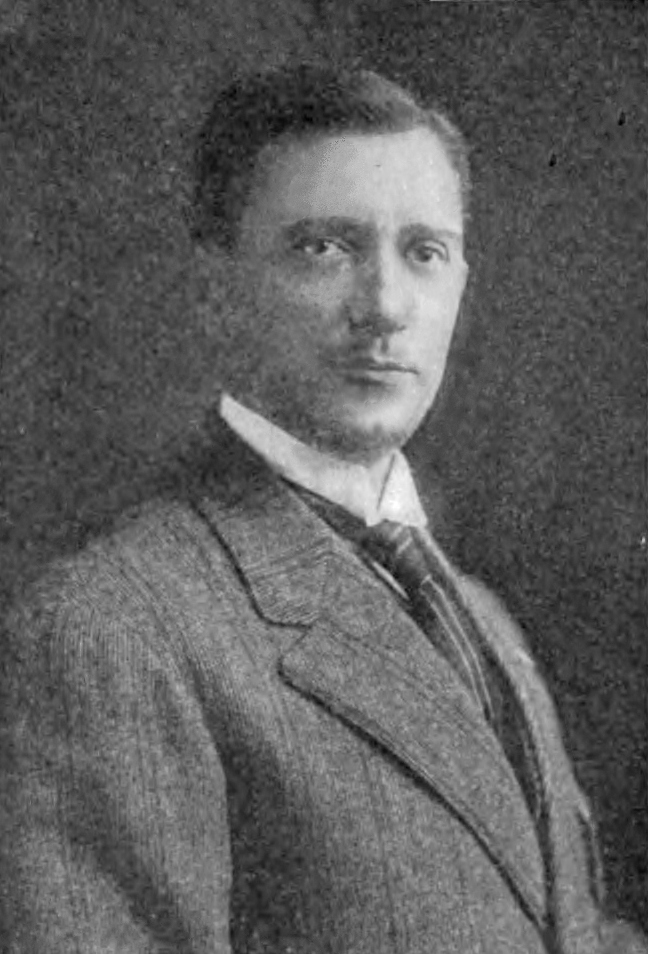
Historical · U.S. House · Ohio · District 13
Carl Anderson
Former U.S. Representative · Ohio District 13 · 1909–1913 · Democratic
Carl Anderson represented Ohio's District 13 in the United States House of Representatives (1909–1913) for the Democratic party. The page below collects sourced biographical facts, term history, committee roles, and provenance for Anderson.
Bioguide ID: A000182
Key facts
- Full name
- Carl Anderson
- State
- Ohio
- District
- District 13
- Party
- Democratic
- House service
- 1909–1913
- First House term
- 1909
- Status
- Left office
- Current term ends
- —
- Born
- 1877
- Bioguide ID
- A000182
- Committee assignments
- —
- Dataset version
- 1.20260606
Biographical narrative
847 words · sourced from the Wikipedia REST extract
Carl Anderson was a Democratic U.S. Representative from Ohio who served in the House of Representatives from 1909 until his untimely death in 1912. Born on December 2, 1877, in Bluffton, Ohio, he spent his early years in Fremont, where he developed a foundation for his later career in both business and politics. Anderson's tenure in Congress was marked by his commitment to his constituents and his active involvement in local governance prior to his election to the national legislature. His life was tragically cut short at the age of 34 due to an automobile accident, leaving a legacy that reflects the early 20th-century American political landscape.
Early life and career
Carl Anderson was born into a family that moved to Fremont, Ohio, when he was just four years old. This relocation marked the beginning of his formative years in a community that would play a significant role in his later political career. Anderson attended local common schools, where he received a basic education that would serve him well in his future endeavors. After completing his schooling, he embarked on a career as a traveling salesman, which likely honed his communication skills and ability to connect with people from various backgrounds.
In pursuit of further opportunities, Anderson relocated to Fostoria, located in Seneca County, where he became involved in the manufacturing sector. He engaged in the production of underwear, a business that contributed to the local economy and provided him with valuable experience in manufacturing and commerce. His work in this field not only established him as a businessman but also allowed him to build relationships within the community, which would later benefit him in his political career.
Anderson's entry into politics began at the local level. He was elected mayor of Fostoria in 1905, a position he held again in 1907. His repeated election as mayor demonstrated his popularity and the trust the community placed in him as a leader. During his time in office, he focused on various initiatives aimed at improving the quality of life for residents. Additionally, he served as president of the city hospital board, where he contributed to the oversight and management of healthcare services in the area. His involvement in local governance and community service laid the groundwork for his subsequent election to the U.S. Congress.
House tenure
Carl Anderson's political career took a significant turn when he was elected to the United States House of Representatives. He was a member of the Democratic Party and was elected to serve in the Sixty-first and Sixty-second Congresses. His congressional service began on March 4, 1909, and he represented Ohio's 13th congressional district. During his time in the House, Anderson was involved in the legislative process and contributed to discussions and decisions that affected both his district and the nation.
Anderson's tenure in Congress was characterized by his dedication to his constituents and his active participation in legislative affairs. He worked on various issues that were pertinent to the interests of Ohioans and the broader American public. His experience as a local leader likely informed his approach to national politics, as he understood the needs and concerns of the people he represented.
Tragically, Anderson's congressional career was cut short when he died in an automobile accident on October 1, 1912. His death at the young age of 34 shocked his constituents and colleagues, marking the loss of a promising political figure. Following his passing, he was interred in Oakwood Cemetery in Fremont, Ohio, where he was laid to rest in the community that had been integral to his life and career.
Legislative focus and committees
While specific details regarding the legislation Anderson supported or the committees he served on are not provided, it can be inferred that his background as a businessman and local leader influenced his legislative priorities. Representatives during this period often focused on issues such as economic development, labor rights, and infrastructure improvements, all of which would have been relevant to his constituents in Ohio.
Given his experience in manufacturing and local governance, Anderson may have been particularly attuned to the needs of businesses and workers in his district. His role as mayor and president of the city hospital board suggests a commitment to public service and community welfare, which likely translated into his legislative focus. Representatives in the early 20th century were often involved in discussions surrounding industrial regulation, public health, and urban development, and Anderson's background would have positioned him to contribute meaningfully to these conversations.
In summary, Carl Anderson's life and career reflect the trajectory of a dedicated public servant who rose from local leadership to national prominence in a relatively short period. His commitment to his community and his work in Congress exemplify the responsibilities and challenges faced by early 20th-century legislators. Despite his untimely death, Anderson's contributions to Ohio and the United States remain a part of the historical narrative of American politics during that era. His legacy is remembered as one of service and dedication to the constituents he represented, highlighting the importance of local leaders in shaping national policy.
Notable legislation
Sponsored and co-sponsored legislation for Carl Anderson is pending operator curation. The biographical narrative above carries the same provenance trail until per-bill rows are written.
Sources
- [1]https://en.wikipedia.org/wiki/Carl_C._AndersonWikipedia · retrieved 2026-06-06
Notable quotes
Sourced quotes for Carl Anderson are pending operator curation. Narrative-scope provenance remains attached below.
Sources
- [1]https://en.wikipedia.org/wiki/Carl_C._AndersonWikipedia · retrieved 2026-06-06
Key positions
Curated policy positions for Carl Anderson are pending operator review. The biographical narrative above carries the same provenance trail until per-topic positions are written.
Sources
- [1]https://en.wikipedia.org/wiki/Carl_C._AndersonWikipedia · retrieved 2026-06-06
Terms served
- 1909–1911U.S. House · Term 1 · Democratic
- 1911–1913U.S. House · Term 2 · Democratic
Sources & provenance
Every attributable claim above carries a per-section [N] marker that resolves to the corresponding URL below. Each entry records the upstream provider, the canonical URL, and the timestamp at which the source was retrieved by the ingest pipeline.
Key facts
- https://bioguide.congress.gov/search/bio/A000182bioguide · retrieved 2026-06-06
- https://www.govtrack.us/congress/members/400837govtrack · retrieved 2026-06-06
Biographical narrative
- https://en.wikipedia.org/wiki/Carl_C._Andersonwikipedia · retrieved 2026-06-06
Find your representative
Every U.S. state elects representatives by district. Browse Ohio’s delegation, the full former-representative roster, or explore the role and term length.
Related on The Candidate
- Preceded by Grant MouserEarlier holder of the Ohio District 13 House seat · Republican.Open
- Succeeded by Arthur OvermyerLater holder of the Ohio District 13 House seat · Democratic.Open
- Aaron PerryFormer U.S. Representative · Ohio District 1 · RepublicanOpen
- Alexander DuncanFormer U.S. Representative · Ohio District 1 · DemocraticOpen
- Bellamy StorerFormer U.S. Representative · Ohio District 1 · WhigOpen
- Bellamy StorerFormer U.S. Representative · Ohio District 1 · RepublicanOpen