
Historical · U.S. House · Ohio · District 14
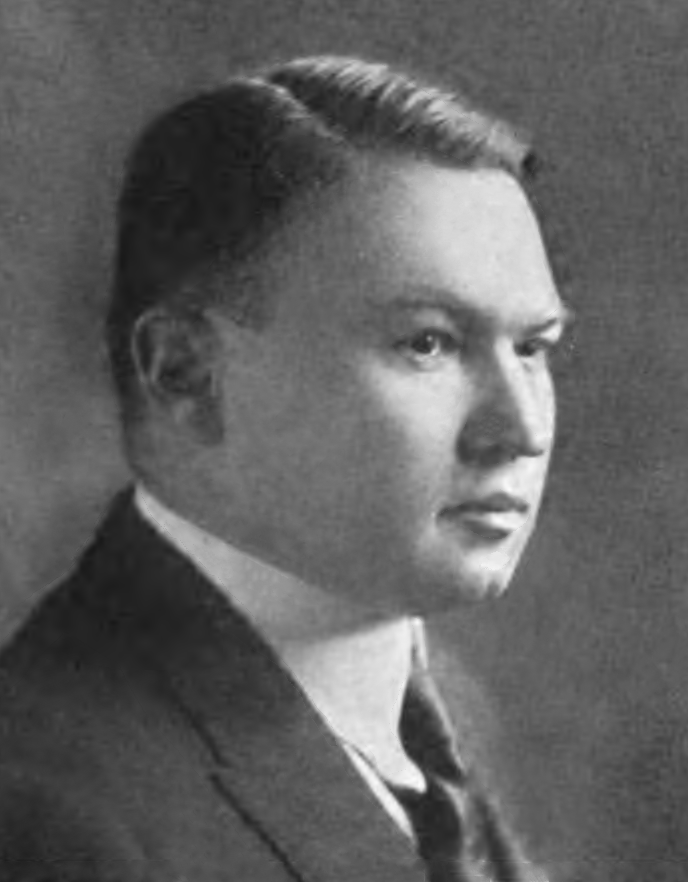
Dow Harter
Former U.S. Representative · Ohio District 14 · 1933–1943 · Democratic
Dow Harter represented Ohio's District 14 in the United States House of Representatives (1933–1943) for the Democratic party. The page below collects sourced biographical facts, term history, committee roles, and provenance for Harter.
Bioguide ID: H000294
Key facts
- Full name
- Dow Harter
- State
- Ohio
- District
- District 14
- Party
- Democratic
- House service
- 1933–1943
- First House term
- 1933
- Status
- Left office
- Current term ends
- —
- Born
- 1885
- Bioguide ID
- H000294
- Committee assignments
- —
- Dataset version
- 1.20260605
Biographical narrative
982 words · sourced from the Wikipedia REST extract
Dow Harter was a prominent figure in American politics during the early to mid-20th century, serving as a U.S. Representative from Ohio's 14th congressional district. A member of the Democratic Party, Harter's political career spanned a decade, during which he was elected to five consecutive terms in the House of Representatives. His tenure in Congress was marked by the significant events and challenges of the Great Depression and World War II, shaping his legislative focus and engagement with his constituents. After leaving Congress, he continued his career in law until his retirement, leaving a legacy in both the legal and political realms.
Early life and career
Dow Harter was born on January 2, 1885, in Akron, Ohio, where he spent his formative years. He attended the public schools in Akron, which laid the foundation for his future academic pursuits. Harter furthered his education at the University of Michigan at Ann Arbor, where he received a preparatory education before graduating from the university's law department in 1907. His education equipped him with the knowledge and skills necessary for a career in law and public service.
Upon completing his studies, Harter was admitted to the bar in both Michigan and Ohio in the same year, 1907. He began practicing law in Akron in 1911, establishing himself in the legal community. His early career included a significant role as the first assistant prosecuting attorney for Summit County, Ohio, from 1914 to 1916. This position provided him with valuable experience in the legal system and public service, further solidifying his commitment to community and governance.
Harter's political involvement deepened when he served as a member of the Ohio House of Representatives in 1919 and 1920. His legislative experience at the state level prepared him for future endeavors in national politics. In addition to his political roles, he was a charter member and the first president of the Akron Host Lions Club, an organization dedicated to community service and support. This involvement reflected his dedication to civic engagement and leadership within his community.
From 1918 to 1926, Harter served as a United States commissioner in Akron, a position that allowed him to further influence local governance and legal matters. His diverse experiences in law and public service laid a strong foundation for his future political career, culminating in his election to the U.S. House of Representatives.
House tenure
Dow Harter's congressional career began on March 4, 1933, when he was elected as a Democrat to the Seventy-third Congress. He successfully secured re-election for four subsequent terms, demonstrating his ability to connect with and represent the interests of his constituents in Ohio's 14th congressional district. His tenure in the House of Representatives lasted until January 3, 1943, marking a significant period during which the United States faced numerous challenges, including the economic turmoil of the Great Depression and the onset of World War II.
During his time in Congress, Harter was involved in various legislative initiatives and discussions that addressed the pressing issues of the day. The Great Depression had a profound impact on American society, and Harter's role in Congress coincided with the implementation of New Deal policies aimed at economic recovery and social reform. As a member of the Democratic Party, he supported measures that sought to alleviate the hardships faced by many Americans during this difficult period.
Harter's legislative focus was likely influenced by the needs of his constituents, who were grappling with unemployment, poverty, and the effects of the economic downturn. His participation in congressional debates and committees would have provided him with opportunities to advocate for policies that aligned with the interests of his district and the broader Democratic agenda.
Despite his successful tenure, Harter faced challenges in the political landscape. In 1942, he ran for re-election to the Seventy-eighth Congress but was ultimately unsuccessful. This defeat marked the end of his congressional career, but it did not diminish his contributions to public service and law.
Legislative focus and committees
Throughout his five terms in the House of Representatives, Dow Harter's legislative focus was shaped by the significant events of his time, including the economic challenges of the Great Depression and the mobilization for World War II. While specific details of the bills he sponsored or supported are not provided, it is reasonable to infer that his work would have included efforts to address economic recovery, social welfare, and national defense.
As a member of the Democratic Party during a time of significant governmental intervention in the economy, Harter likely supported initiatives aimed at job creation, infrastructure development, and social safety nets. The New Deal programs, introduced by President Franklin D. Roosevelt, were pivotal during this era, and Harter's alignment with the Democratic Party suggests he would have been involved in discussions surrounding these policies.
In addition to his legislative work, Harter's committee assignments would have played a crucial role in shaping his contributions to Congress. While specific committee memberships are not detailed, members of Congress typically serve on committees that align with their interests and the needs of their constituents. These committees are essential for reviewing legislation, conducting hearings, and shaping policy recommendations.
After leaving Congress in 1943, Harter continued to engage in public service through his legal career. He was admitted to practice law in the District of Columbia in the same year and became a partner in a law firm, where he worked until his retirement in 1965. His legal expertise and experience in public service allowed him to remain active in the legal community and contribute to various legal matters.
Dow Harter passed away on September 4, 1971, in Washington, D.C. He was interred in Rock Creek Cemetery, leaving behind a legacy of public service and commitment to his community. His career reflects the complexities of American politics during a transformative period in history, and his contributions to both law and governance continue to be recognized.
Notable legislation
Sponsored and co-sponsored legislation for Dow Harter is pending operator curation. The biographical narrative above carries the same provenance trail until per-bill rows are written.
Sources
- [1]https://en.wikipedia.org/wiki/Dow_W._HarterWikipedia · retrieved 2026-06-05
Notable quotes
Sourced quotes for Dow Harter are pending operator curation. Narrative-scope provenance remains attached below.
Sources
- [1]https://en.wikipedia.org/wiki/Dow_W._HarterWikipedia · retrieved 2026-06-05
Key positions
Curated policy positions for Dow Harter are pending operator review. The biographical narrative above carries the same provenance trail until per-topic positions are written.
Sources
- [1]https://en.wikipedia.org/wiki/Dow_W._HarterWikipedia · retrieved 2026-06-05
Terms served
- 1933–1935U.S. House · Term 1 · Democratic
- 1935–1937U.S. House · Term 2 · Democratic
- 1937–1939U.S. House · Term 3 · Democratic
- 1939–1941U.S. House · Term 4 · Democratic
- 1941–1943U.S. House · Term 5 · Democratic
Sources & provenance
Every attributable claim above carries a per-section [N] marker that resolves to the corresponding URL below. Each entry records the upstream provider, the canonical URL, and the timestamp at which the source was retrieved by the ingest pipeline.
Key facts
- https://bioguide.congress.gov/search/bio/H000294bioguide · retrieved 2026-06-05
- https://www.govtrack.us/congress/members/405167govtrack · retrieved 2026-06-05
Biographical narrative
- https://en.wikipedia.org/wiki/Dow_W._Harterwikipedia · retrieved 2026-06-05
Find your representative
Every U.S. state elects representatives by district. Browse Ohio’s delegation, the full former-representative roster, or explore the role and term length.
Related on The Candidate
- Preceded by Francis SeiberlingEarlier holder of the Ohio District 14 House seat · Republican.Open
- Succeeded by Edmund RoweLater holder of the Ohio District 14 House seat · Republican.Open
- Aaron PerryFormer U.S. Representative · Ohio District 1 · RepublicanOpen
- Alexander DuncanFormer U.S. Representative · Ohio District 1 · DemocraticOpen
- Bellamy StorerFormer U.S. Representative · Ohio District 1 · WhigOpen
- Bellamy StorerFormer U.S. Representative · Ohio District 1 · RepublicanOpen