
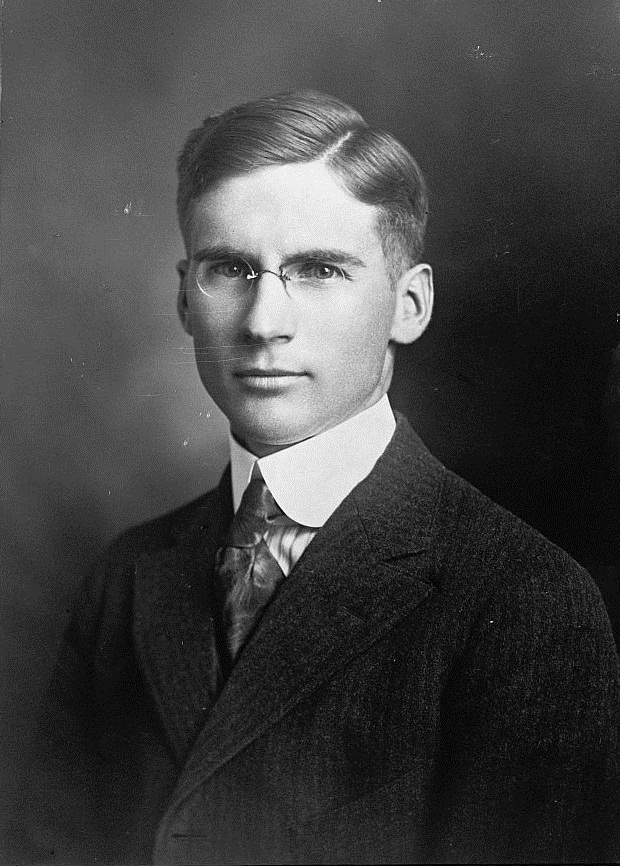
Historical · U.S. House · Ohio · District 15
Charles Moore
Former U.S. Representative · Ohio District 15 · 1919–1933 · Republican
Charles Moore represented Ohio's District 15 in the United States House of Representatives (1919–1933) for the Republican party. The page below collects sourced biographical facts, term history, committee roles, and provenance for Moore.
Bioguide ID: M000894
Key facts
- Full name
- Charles Moore
- State
- Ohio
- District
- District 15
- Party
- Republican
- House service
- 1919–1933
- First House term
- 1919
- Status
- Left office
- Current term ends
- —
- Born
- 1884
- Bioguide ID
- M000894
- Committee assignments
- —
- Dataset version
- 1.20260606
Biographical narrative
974 words · sourced from the Wikipedia REST extract
Charles Moore was an American lawyer and politician who served as a U.S. Representative for Ohio's 15th congressional district from 1919 until 1933. A member of the Republican Party, Moore's political career spanned seven terms in the House of Representatives, during which he was involved in significant legislative activities, including serving as a House manager in an impeachment trial. After his congressional tenure, he returned to his legal practice and engaged in banking until his death in 1941.
Early life and career
Charles Ellis Moore was born on January 3, 1884, near Middlebourne, Ohio. His early education took place in local common schools, where he laid the foundation for his academic pursuits. Moore furthered his education at Mount Union College in Alliance, Ohio, where he likely developed a strong interest in public service and leadership. Following his time at Mount Union, he transitioned to Muskingum College in New Concord, Ohio, graduating in 1907. His academic journey culminated at the College of Law at Ohio State University in Columbus, Ohio, where he earned his law degree in 1910. Upon completing his education, Moore was admitted to the bar the same year, marking the beginning of his professional career in law.
Moore began practicing law in Cambridge, Ohio, where he established himself in the legal community. His legal career was complemented by a commitment to public service, as he served as the prosecuting attorney for Guernsey County from 1914 to 1918. This role provided him with valuable experience in the legal system and public administration, likely influencing his decision to enter politics. His background in law and local governance positioned him well for a future in the U.S. Congress, where he would advocate for his constituents and engage in national legislative matters.
House tenure
Charles Moore's political career in the U.S. House of Representatives began when he was elected as a Republican to the Sixty-sixth Congress, which commenced on March 4, 1919. Over the course of his seven terms, he represented Ohio's 15th congressional district, a position that allowed him to influence legislation and address the needs of his constituents. His tenure in Congress lasted until March 3, 1933, during which he participated in various legislative debates and initiatives.
One notable aspect of Moore's congressional service was his involvement in the impeachment trial of George W. English, a judge of the United States District Court for the Eastern District of Illinois. In 1926, he was appointed as one of the House managers responsible for conducting the impeachment proceedings. This role required a deep understanding of legal principles and the ability to navigate complex political dynamics, showcasing Moore's legal expertise and commitment to upholding the integrity of the judiciary.
Throughout his time in Congress, Moore was part of a period marked by significant national and international events, including the aftermath of World War I and the onset of the Great Depression. These events shaped the legislative priorities of the time, and as a member of the House, Moore would have been involved in discussions and decisions related to economic recovery, social welfare, and national security. However, specific details about the legislation he supported or opposed during his tenure are not documented in the available records.
Despite his active participation in Congress, Moore faced challenges in his political career. He was an unsuccessful candidate for reelection in 1932, which marked the end of his congressional service. Following his departure from the House, he returned to Cambridge, Ohio, where he resumed his legal practice. His experience in Congress likely enriched his legal work, as he brought a broader understanding of federal policies and legislative processes to his practice.
Legislative focus and committees
During his time in the House of Representatives, Charles Moore's legislative focus reflected the interests and needs of his constituents in Ohio's 15th district. While specific details about the bills he sponsored or supported are not provided, it can be inferred that as a Republican representative, he would have aligned with the party's platform and priorities during the early 20th century. This period was characterized by a focus on economic issues, infrastructure development, and social policies aimed at addressing the challenges faced by American citizens, particularly in the wake of the Great Depression.
Moore's role as a House manager in the impeachment trial of Judge George W. English indicates his involvement in significant legal and ethical matters during his congressional tenure. This responsibility not only required a thorough understanding of legal standards but also demonstrated his commitment to accountability within the judicial system. Such high-profile roles often place representatives at the forefront of national discussions regarding governance and the rule of law.
In addition to his legislative responsibilities, Moore's background as a lawyer likely influenced his approach to policy-making and his interactions with various committees. While specific committee assignments are not detailed in the available records, it is common for representatives to serve on committees that align with their professional expertise and the interests of their constituents. These committees play a crucial role in shaping legislation, conducting oversight, and addressing specific issues within the federal government.
After leaving Congress, Moore continued to engage in public life through his legal practice and involvement in the banking sector. His return to law and banking suggests a sustained commitment to serving his community and contributing to the economic development of the region. Moore's multifaceted career reflects the interconnectedness of law, politics, and community service, illustrating the diverse pathways through which individuals can impact society.
Charles Moore passed away on April 2, 1941, in Cambridge, Ohio. He was interred in Northwood Cemetery, leaving behind a legacy as a public servant who contributed to the governance of his state and nation during a transformative period in American history. His career exemplifies the role of local leaders in shaping national policy and the importance of legal expertise in public service.
Notable legislation
Sponsored and co-sponsored legislation for Charles Moore is pending operator curation. The biographical narrative above carries the same provenance trail until per-bill rows are written.
Sources
- [1]https://en.wikipedia.org/wiki/C._Ellis_MooreWikipedia · retrieved 2026-06-06
Notable quotes
Sourced quotes for Charles Moore are pending operator curation. Narrative-scope provenance remains attached below.
Sources
- [1]https://en.wikipedia.org/wiki/C._Ellis_MooreWikipedia · retrieved 2026-06-06
Key positions
Curated policy positions for Charles Moore are pending operator review. The biographical narrative above carries the same provenance trail until per-topic positions are written.
Sources
- [1]https://en.wikipedia.org/wiki/C._Ellis_MooreWikipedia · retrieved 2026-06-06
Terms served
- 1919–1921U.S. House · Term 1 · Republican
- 1921–1923U.S. House · Term 2 · Republican
- 1923–1925U.S. House · Term 3 · Republican
- 1925–1927U.S. House · Term 4 · Republican
- 1927–1929U.S. House · Term 5 · Republican
- 1929–1931U.S. House · Term 6 · Republican
- 1931–1933U.S. House · Term 7 · Republican
Sources & provenance
Every attributable claim above carries a per-section [N] marker that resolves to the corresponding URL below. Each entry records the upstream provider, the canonical URL, and the timestamp at which the source was retrieved by the ingest pipeline.
Key facts
- https://bioguide.congress.gov/search/bio/M000894bioguide · retrieved 2026-06-06
- https://www.govtrack.us/congress/members/407866govtrack · retrieved 2026-06-06
Biographical narrative
- https://en.wikipedia.org/wiki/C._Ellis_Moorewikipedia · retrieved 2026-06-06
Find your representative
Every U.S. state elects representatives by district. Browse Ohio’s delegation, the full former-representative roster, or explore the role and term length.
Related on The Candidate
- Preceded by George WhiteEarlier holder of the Ohio District 15 House seat · Democratic.Open
- Succeeded by Robert SecrestLater holder of the Ohio District 15 House seat · Democratic.Open
- Aaron PerryFormer U.S. Representative · Ohio District 1 · RepublicanOpen
- Alexander DuncanFormer U.S. Representative · Ohio District 1 · DemocraticOpen
- Bellamy StorerFormer U.S. Representative · Ohio District 1 · WhigOpen
- Bellamy StorerFormer U.S. Representative · Ohio District 1 · RepublicanOpen