
Historical · U.S. House · Ohio · District 19
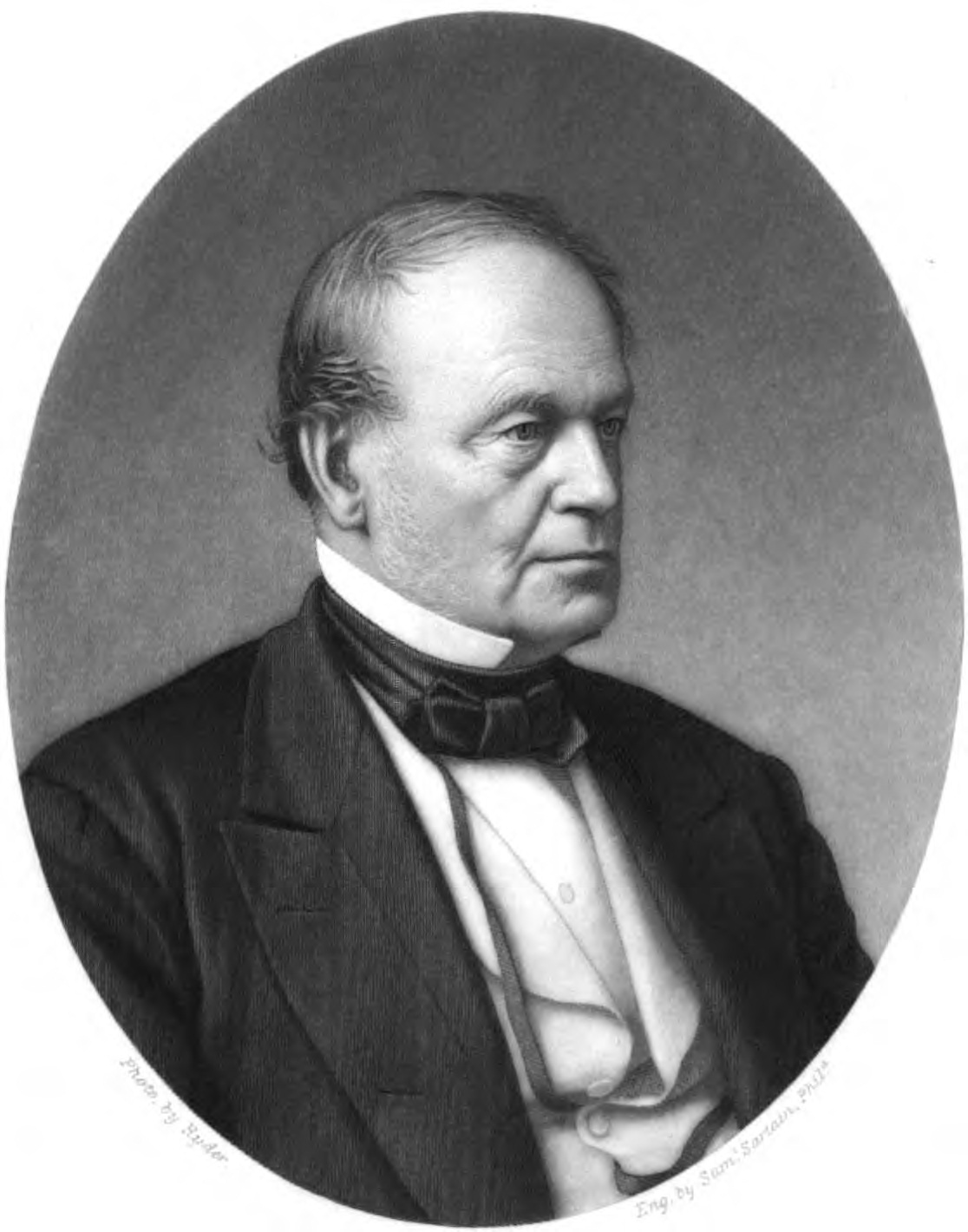
John Crowell
Former U.S. Representative · Ohio District 19 · 1847–1851 · Whig
John Crowell represented Ohio's District 19 in the United States House of Representatives (1847–1851) for the Whig party. The page below collects sourced biographical facts, term history, committee roles, and provenance for Crowell.
Bioguide ID: C000941
Key facts
- Full name
- John Crowell
- State
- Ohio
- District
- District 19
- Party
- Whig
- House service
- 1847–1851
- First House term
- 1847
- Status
- Left office
- Current term ends
- —
- Born
- 1801
- Bioguide ID
- C000941
- Committee assignments
- —
- Dataset version
- 1.20260606
Biographical narrative
980 words · sourced from the Wikipedia REST extract
John Crowell was an American lawyer, newspaperman, and politician who served as a U.S. Representative for Ohio's 19th congressional district from 1847 to 1851. A member of the Whig Party, Crowell's political career was marked by his involvement in local and state governance, as well as his contributions to journalism and legal education. His legacy includes a notable tenure in the U.S. Congress during a period of significant political and social change in the United States.
Early life and career
John Crowell was born on September 15, 1801, in East Haddam, Connecticut. His family relocated to Ohio in 1806, settling in Rome Township, Ashtabula County. This move was significant, as it placed Crowell in a region that was rapidly developing during the early 19th century. His father, Samuel Crowell, is noted as one of the first settlers in that area, which would have exposed John to the challenges and opportunities of frontier life from a young age.
Crowell's early education took place in the local district school, where he began to develop the foundational skills that would later serve him in his professional life. In 1822, he moved to Warren, Ohio, where he continued his education at Warren Academy, attending from 1822 to 1825. This period of study was crucial for Crowell, as it provided him with a more formal education and prepared him for his future career in law.
After completing his education, Crowell studied law and was admitted to the bar in 1827, marking the beginning of his legal career in Warren. His legal practice would later intersect with his interests in journalism and politics. In addition to his work as a lawyer, Crowell became part owner and editor of the Western Reserve Chronicle, a newspaper based in Warren. This role not only allowed him to engage with the public on important issues of the day but also positioned him as a prominent figure in the local community.
Crowell's political involvement began to take shape in the 1840s. He served as a member of the Ohio State Senate in 1840, where he gained experience in legislative processes and governance. His work in the state legislature would later inform his approach to national politics when he was elected to the U.S. Congress.
House tenure
John Crowell was elected to the U.S. House of Representatives as a member of the Whig Party, serving in the Thirtieth and Thirty-first Congresses from March 4, 1847, to March 3, 1851. His election to Congress came during a time of intense political activity, as the Whig Party was emerging as a significant force in American politics, often positioned in opposition to the Democratic Party.
In the 1846 election, Crowell successfully defeated two opponents: John Hutchins, an abolitionist, and Rufus P. Ranney, a Democrat. This victory was indicative of the political climate in Ohio at the time, as the Whig Party was gaining traction among voters who were looking for alternatives to the prevailing Democratic policies. Crowell's election to Congress marked a significant step in his political career, allowing him to influence national legislation and represent the interests of his constituents.
During his time in the House, Crowell participated in various legislative discussions and decisions that were critical to the nation. However, specific details regarding his legislative contributions and the bills he supported are not extensively documented. After serving two terms in Congress, Crowell chose not to seek renomination in 1850, concluding his congressional career in early 1851. His decision not to run again may have been influenced by various factors, including the shifting political landscape and personal considerations.
Legislative focus and committees
While specific details about John Crowell's legislative focus during his time in Congress are limited, it is important to contextualize his tenure within the broader political environment of the late 1840s. The period was marked by significant national debates over issues such as slavery, westward expansion, and economic development. As a member of the Whig Party, Crowell would have been involved in discussions surrounding these contentious topics, which were shaping the future of the United States.
In addition to his congressional duties, Crowell's career continued to evolve after leaving office. In 1852, he relocated to Cleveland, Ohio, where he resumed his legal practice. His move to a larger city likely provided him with new opportunities and challenges in his legal career. Crowell's involvement in the legal community extended beyond practice; he became the editor of the Western Law Monthly, a publication based in Cleveland. This role allowed him to contribute to the discourse on legal matters and engage with legal professionals in the region.
Crowell also had a notable involvement in military service, serving in the Ohio State militia for two decades. He achieved the rank of brigadier general and later major general, reflecting his commitment to public service and leadership within the military framework. His military experience may have influenced his perspectives on governance and public policy.
In the realm of education, Crowell took on the role of president at the Ohio State and Union Law College of Cleveland from 1862 until 1876. This position underscored his dedication to legal education and mentorship, as he played a significant role in shaping the next generation of legal professionals. His tenure at the college coincided with a period of growth and change in legal education in the United States, and Crowell's contributions would have had a lasting impact on the institution and its students.
John Crowell passed away on March 8, 1883, in Cleveland, Ohio. He was interred at Lake View Cemetery, a site that serves as a final resting place for many notable individuals. Throughout his life, Crowell was married to Eliza B. Estabrook in 1833, and together they had four children. His family life, combined with his professional achievements, paints a picture of a man deeply engaged in the civic and legal fabric of his community and country.
Notable legislation
Sponsored and co-sponsored legislation for John Crowell is pending operator curation. The biographical narrative above carries the same provenance trail until per-bill rows are written.
Sources
- [1]https://en.wikipedia.org/wiki/John_Crowell_(Ohio_politician)Wikipedia · retrieved 2026-06-06
Notable quotes
Sourced quotes for John Crowell are pending operator curation. Narrative-scope provenance remains attached below.
Sources
- [1]https://en.wikipedia.org/wiki/John_Crowell_(Ohio_politician)Wikipedia · retrieved 2026-06-06
Key positions
Curated policy positions for John Crowell are pending operator review. The biographical narrative above carries the same provenance trail until per-topic positions are written.
Sources
- [1]https://en.wikipedia.org/wiki/John_Crowell_(Ohio_politician)Wikipedia · retrieved 2026-06-06
Terms served
- 1847–1849U.S. House · Term 1 · Whig
- 1849–1851U.S. House · Term 2 · Whig
Sources & provenance
Every attributable claim above carries a per-section [N] marker that resolves to the corresponding URL below. Each entry records the upstream provider, the canonical URL, and the timestamp at which the source was retrieved by the ingest pipeline.
Key facts
- https://bioguide.congress.gov/search/bio/C000941bioguide · retrieved 2026-06-06
- https://www.govtrack.us/congress/members/403054govtrack · retrieved 2026-06-06
Biographical narrative
- https://en.wikipedia.org/wiki/John_Crowell_(Ohio_politician)wikipedia · retrieved 2026-06-06
Find your representative
Every U.S. state elects representatives by district. Browse Ohio’s delegation, the full former-representative roster, or explore the role and term length.
Related on The Candidate
- Preceded by Daniel TildenEarlier holder of the Ohio District 19 House seat · Whig.Open
- Succeeded by Eben NewtonLater holder of the Ohio District 19 House seat · Whig.Open
- Aaron PerryFormer U.S. Representative · Ohio District 1 · RepublicanOpen
- Alexander DuncanFormer U.S. Representative · Ohio District 1 · DemocraticOpen
- Bellamy StorerFormer U.S. Representative · Ohio District 1 · WhigOpen
- Bellamy StorerFormer U.S. Representative · Ohio District 1 · RepublicanOpen