
Historical · U.S. House · Ohio · District 3
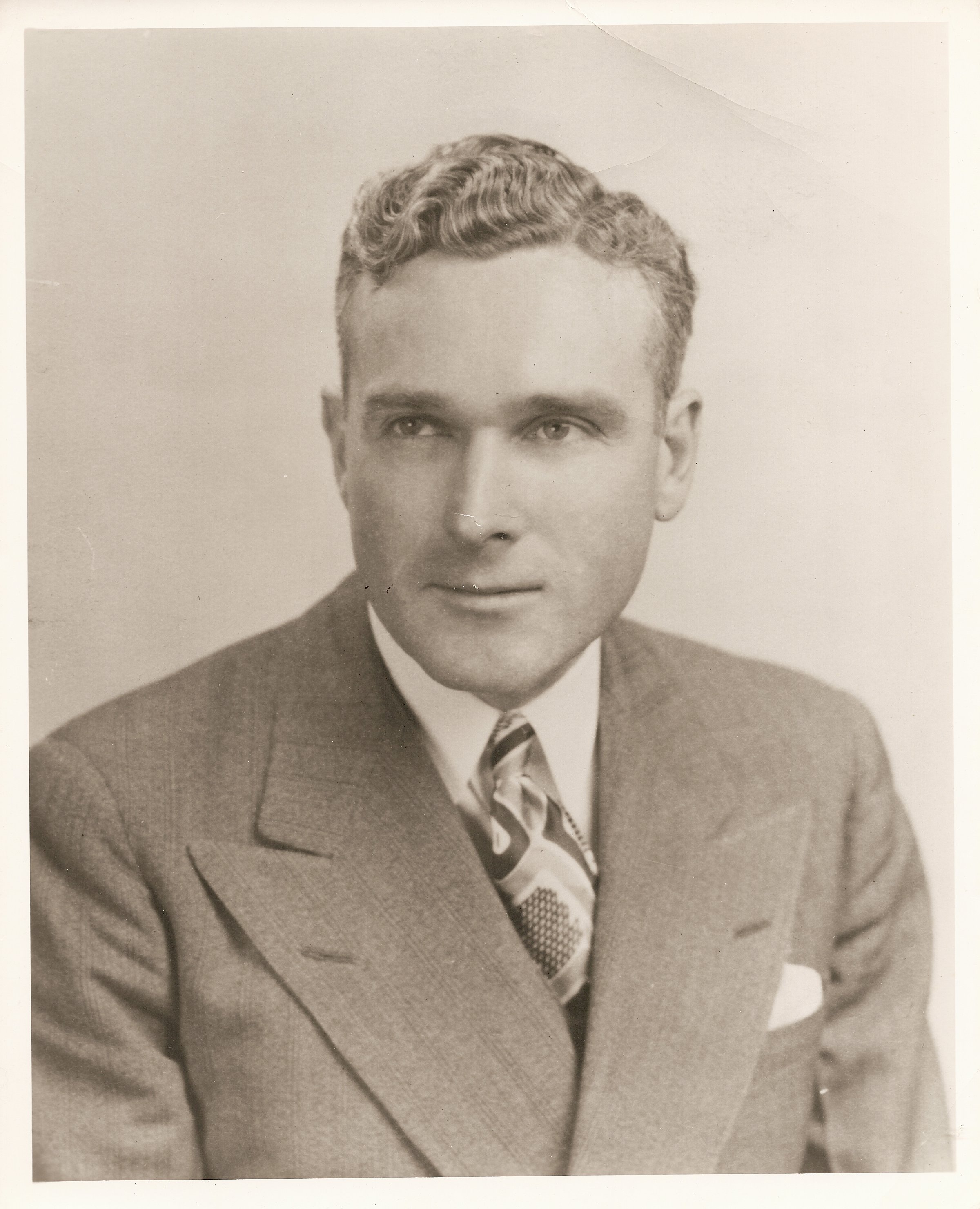
Edward Breen
Former U.S. Representative · Ohio District 3 · 1949–1953 · Democratic
Edward Breen represented Ohio's District 3 in the United States House of Representatives (1949–1953) for the Democratic party. The page below collects sourced biographical facts, term history, committee roles, and provenance for Breen.
Bioguide ID: B000792
Key facts
- Full name
- Edward Breen
- State
- Ohio
- District
- District 3
- Party
- Democratic
- House service
- 1949–1953
- First House term
- 1949
- Status
- Left office
- Current term ends
- —
- Born
- 1908
- Bioguide ID
- B000792
- Committee assignments
- —
- Dataset version
- 1.20260605
Biographical narrative
864 words · sourced from the Wikipedia REST extract
Edward Breen was an American politician who served as a U.S. Representative for Ohio's 3rd congressional district from 1949 until 1951. A member of the Democratic Party, Breen's political career was marked by his commitment to public service, which began in local government before transitioning to the national stage. His tenure in the U.S. House of Representatives was characterized by his efforts to represent his constituents in Dayton, Ohio, and his involvement in various local initiatives. After leaving Congress due to health issues, Breen continued to engage in public service at the county level.
Early life and career
Edward Grimes Breen was born on June 10, 1908, in Dayton, Ohio, where he spent much of his early life. His birthplace was the Phillips House, a well-known hotel in the area, managed by his father, John P. Breen. This upbringing in a prominent local establishment likely influenced his later career in the hospitality industry. Breen received his early education at Corpus Christi Grammar School before pursuing higher education. He earned a bachelor's degree from the University of Dayton, which laid the foundation for his future endeavors.
Following his graduation, Breen attended Ohio State University, furthering his education before returning to Dayton. He entered the hotel business, where he gained significant experience managing notable establishments such as the Hilton Biltmore Hotel and the Van Cleve Hotel. His work in this sector provided him with valuable insights into business operations and community needs, which would later inform his political career.
Breen's public service was interrupted by World War II, during which he served in the United States Army Air Forces. He achieved the rank of Major and was deployed to North Africa and Italy, where he saw active duty. After the war, he was released from active duty and held the rank of lieutenant colonel in the Infantry Reserve. His military service contributed to his leadership skills and commitment to his country, qualities that would serve him well in his political career.
In 1945, Breen began his political journey by being elected to the Board of Commissioners of Dayton, Ohio. His fellow commissioners recognized his leadership abilities and elected him as mayor, further establishing his reputation in local governance. This experience in municipal politics provided Breen with a platform to address community issues and engage with constituents directly.
House tenure
In 1948, Breen made the decision to run for a seat in the United States House of Representatives, seeking the Democratic nomination for Ohio's 3rd congressional district. He successfully unseated the Republican incumbent, Raymond H. Burke, marking the beginning of his congressional career. Breen's election to the House was a significant achievement, reflecting his ability to connect with voters and advocate for their interests.
Breen's first term in the House began in 1949, during a period of significant political and social change in the United States. He was part of a larger Democratic majority in Congress, which allowed him to contribute to various legislative initiatives. In 1950, Breen won re-election, defeating Republican challenger Paul F. Schenck, further solidifying his position as a representative of his district.
However, Breen's time in Congress was cut short due to health issues. He resigned from his seat on October 1, 1951, before completing his term. Following his resignation, a special election was held, in which his former opponent, Schenck, was elected to complete the remainder of Breen's term. Despite the brevity of his congressional career, Breen's tenure was marked by his dedication to his constituents and his efforts to address the needs of the community he represented.
Legislative focus and committees
During his time in the U.S. House of Representatives, Edward Breen was involved in various legislative activities, although specific details regarding the bills he sponsored or supported are not extensively documented. His focus as a representative was likely influenced by his background in local government and his experiences in the hotel and hospitality industries. Breen's understanding of community needs and economic issues would have informed his approach to legislation.
As a member of the Democratic Party, Breen was part of a broader coalition that sought to address post-war challenges, including economic recovery, social welfare, and civil rights. His legislative priorities may have reflected the concerns of his constituents in Dayton, particularly in areas related to urban development, public services, and economic opportunities.
After leaving Congress, Breen returned to Dayton, where he continued to engage in public service. He worked in the real estate and insurance industries, leveraging his business acumen and local knowledge. In 1955, he re-entered politics, successfully running for a seat on the Board of Commissioners of Montgomery County, Ohio. He served in this capacity until 1960, further contributing to local governance and community development.
Breen's personal life included his marriage to Constance Focke in 1956, with whom he had two children. His family remained an important aspect of his life, and his son later authored a book about him, titled "Lucky Eddie." Edward Grimes Breen passed away on May 8, 1991, in Dayton, Ohio, and is interred at Calvary Cemetery in the same city. His legacy as a public servant is remembered in the context of his contributions to both local and national governance.
Notable legislation
Sponsored and co-sponsored legislation for Edward Breen is pending operator curation. The biographical narrative above carries the same provenance trail until per-bill rows are written.
Sources
- [1]https://en.wikipedia.org/wiki/Edward_G._BreenWikipedia · retrieved 2026-06-05
Notable quotes
Sourced quotes for Edward Breen are pending operator curation. Narrative-scope provenance remains attached below.
Sources
- [1]https://en.wikipedia.org/wiki/Edward_G._BreenWikipedia · retrieved 2026-06-05
Key positions
Curated policy positions for Edward Breen are pending operator review. The biographical narrative above carries the same provenance trail until per-topic positions are written.
Sources
- [1]https://en.wikipedia.org/wiki/Edward_G._BreenWikipedia · retrieved 2026-06-05
Terms served
- 1949–1951U.S. House · Term 1 · Democratic
- 1951–1953U.S. House · Term 2 · Democratic
Sources & provenance
Every attributable claim above carries a per-section [N] marker that resolves to the corresponding URL below. Each entry records the upstream provider, the canonical URL, and the timestamp at which the source was retrieved by the ingest pipeline.
Key facts
- https://bioguide.congress.gov/search/bio/B000792bioguide · retrieved 2026-06-05
- https://www.govtrack.us/congress/members/401749govtrack · retrieved 2026-06-05
Biographical narrative
- https://en.wikipedia.org/wiki/Edward_G._Breenwikipedia · retrieved 2026-06-05
Find your representative
Every U.S. state elects representatives by district. Browse Ohio’s delegation, the full former-representative roster, or explore the role and term length.
Related on The Candidate
- Preceded by Raymond BurkeEarlier holder of the Ohio District 3 House seat · Republican.Open
- Succeeded by Rodney LoveLater holder of the Ohio District 3 House seat · Democratic.Open
- Aaron PerryFormer U.S. Representative · Ohio District 1 · RepublicanOpen
- Alexander DuncanFormer U.S. Representative · Ohio District 1 · DemocraticOpen
- Bellamy StorerFormer U.S. Representative · Ohio District 1 · WhigOpen
- Bellamy StorerFormer U.S. Representative · Ohio District 1 · RepublicanOpen