
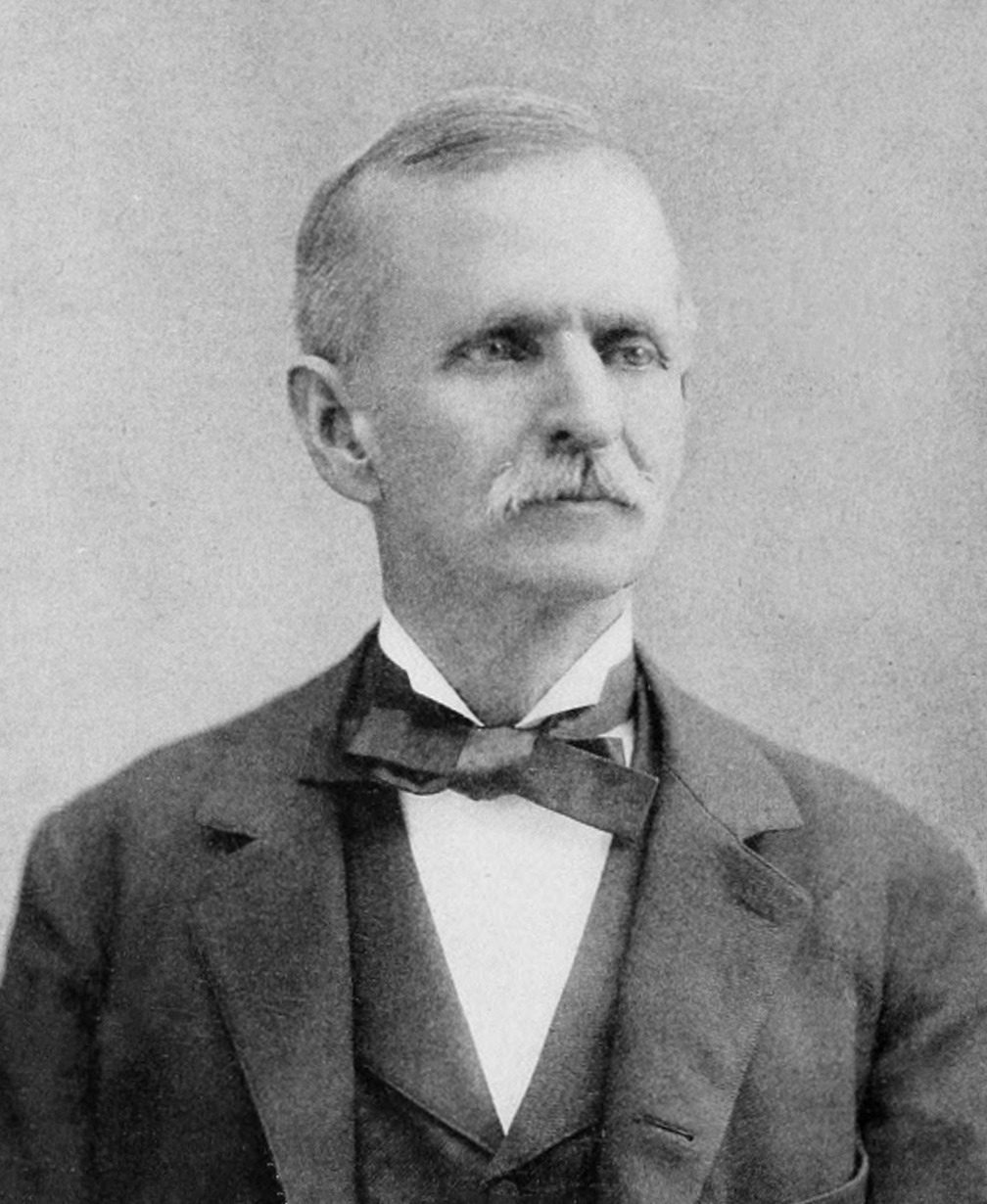
Historical · U.S. House · Ohio · District 3
John Brenner
Former U.S. Representative · Ohio District 3 · 1897–1901 · Democratic
John Brenner represented Ohio's District 3 in the United States House of Representatives (1897–1901) for the Democratic party. The page below collects sourced biographical facts, term history, committee roles, and provenance for Brenner.
Bioguide ID: B000801
Key facts
- Full name
- John Brenner
- State
- Ohio
- District
- District 3
- Party
- Democratic
- House service
- 1897–1901
- First House term
- 1897
- Status
- Left office
- Current term ends
- —
- Born
- 1832
- Bioguide ID
- B000801
- Committee assignments
- —
- Dataset version
- 1.20260606
Biographical narrative
947 words · sourced from the Wikipedia REST extract
John Brenner was an American politician and businessman who served as a U.S. Representative for Ohio's third congressional district from 1897 to 1901. A member of the Democratic Party, Brenner's political career was marked by close electoral contests in a district that was evenly divided between the two major parties. Before entering politics, he had a diverse career as a farmer, nurseryman, and tobacco merchant. His life and career reflect the agricultural and economic developments of the late 19th century in Ohio.
Early life and career
John Lewis Brenner was born on February 2, 1832, in Wayne Township, Montgomery County, Ohio. He was the son of Jacob S. Brenner and Sarah Ann Matthews. His family background was rooted in a strong opposition to slavery, which prompted his parents to leave Virginia and settle in Ohio. Jacob Brenner was both a miller and a farmer, and this agricultural environment significantly influenced John Brenner's early life. He spent his summers working on his father's farm while attending local public schools during the winter months. This combination of practical work and formal education laid the foundation for his future endeavors.
Brenner completed his education at the Springfield Academy in Ohio, which provided him with a more advanced understanding of various subjects. Following his education, he married Josephine Moore and continued to farm in Wayne Township until 1862. His early experiences in agriculture would later inform his business ventures and political perspectives.
In 1862, Brenner transitioned from farming to the nursery business, which he pursued with notable success until 1872. This shift marked a significant change in his career, as he began to focus on horticulture and the cultivation of plants. In 1866, he moved to Dayton, Ohio, a city that was emerging as a center for tobacco agriculture in the state. In Dayton, Brenner became a merchant specializing in leaf tobacco, a move that capitalized on the growing demand for tobacco products during that era. His work in this field not only contributed to his personal success but also reflected the economic trends of the time, as tobacco became an increasingly important crop in Ohio.
House tenure
Brenner's political career began to take shape in the late 19th century when he was elected to the City of Dayton board of police commissioners, serving from 1885 to 1887. This position allowed him to gain experience in public service and governance, which would later serve him well in his congressional career. His involvement in local politics demonstrated his commitment to community service and provided him with insights into the needs and concerns of his constituents.
In 1896, Brenner was elected as a Democrat to the Fifty-fifth Congress, marking the beginning of his tenure in the U.S. House of Representatives. He was re-elected for a second term in the Fifty-sixth Congress, serving from 1897 until 1901. During this period, Ohio's third congressional district was characterized by a nearly even split between Democratic and Republican voters, making elections highly competitive. Brenner's victories in both elections were narrow, with his plurality at each election being only slightly over 100 votes, underscoring the contentious political landscape of the time.
Brenner's congressional service coincided with a period of significant change in the United States, including economic expansion and social reform movements. His time in office was marked by the challenges and opportunities that arose during this transformative era. However, his political career in the House came to an end when he was an unsuccessful candidate for renomination in 1900. This defeat reflected the shifting political dynamics within the district and the broader electoral trends of the time.
Legislative focus and committees
During his time in Congress, Brenner's legislative focus was likely influenced by his background in agriculture and business. While specific details regarding the bills he sponsored or supported are not provided, it can be inferred that his experiences as a farmer and tobacco merchant would have shaped his perspectives on agricultural policies and economic issues. Given the importance of agriculture in Ohio's economy, it is reasonable to assume that Brenner may have advocated for measures that supported farmers and agricultural businesses.
Brenner's role as a member of the House of Representatives would have involved participation in various committees, although the specific committees he served on are not detailed in the available information. Typically, members of Congress are assigned to committees that align with their interests and expertise, and Brenner's background in agriculture and business might have led him to serve on committees related to agriculture, commerce, or economic development. Such committee work would have provided him with opportunities to influence legislation that impacted his constituents and the broader agricultural community.
After his congressional service, Brenner returned to Dayton, where he resumed his previous occupation as a dealer in leaf tobacco. This return to business life indicates a continuity in his professional interests and a commitment to the industry that had been a significant part of his career. Brenner's later years were spent in Dayton, where he continued to engage with the community until his death on November 1, 1906. He was interred in Woodland Cemetery in Dayton, Ohio, marking the end of a life that spanned significant changes in American society and politics.
In summary, John Brenner's life and career reflect the complexities of American political and economic life in the late 19th century. His experiences as a farmer, businessman, and politician illustrate the interconnectedness of these roles and the impact they had on his service in the U.S. House of Representatives. Brenner's tenure in Congress, though brief, was part of a larger narrative of a nation grappling with growth, change, and the challenges of governance during a pivotal era in its history.
Notable legislation
Sponsored and co-sponsored legislation for John Brenner is pending operator curation. The biographical narrative above carries the same provenance trail until per-bill rows are written.
Sources
- [1]https://en.wikipedia.org/wiki/John_Lewis_BrennerWikipedia · retrieved 2026-06-06
Notable quotes
Sourced quotes for John Brenner are pending operator curation. Narrative-scope provenance remains attached below.
Sources
- [1]https://en.wikipedia.org/wiki/John_Lewis_BrennerWikipedia · retrieved 2026-06-06
Key positions
Curated policy positions for John Brenner are pending operator review. The biographical narrative above carries the same provenance trail until per-topic positions are written.
Sources
- [1]https://en.wikipedia.org/wiki/John_Lewis_BrennerWikipedia · retrieved 2026-06-06
Terms served
- 1897–1899U.S. House · Term 1 · Democratic
- 1899–1901U.S. House · Term 2 · Democratic
Sources & provenance
Every attributable claim above carries a per-section [N] marker that resolves to the corresponding URL below. Each entry records the upstream provider, the canonical URL, and the timestamp at which the source was retrieved by the ingest pipeline.
Key facts
- https://bioguide.congress.gov/search/bio/B000801bioguide · retrieved 2026-06-06
- https://www.govtrack.us/congress/members/401758govtrack · retrieved 2026-06-06
Biographical narrative
- https://en.wikipedia.org/wiki/John_Lewis_Brennerwikipedia · retrieved 2026-06-06
Find your representative
Every U.S. state elects representatives by district. Browse Ohio’s delegation, the full former-representative roster, or explore the role and term length.
Related on The Candidate
- Preceded by Paul SorgEarlier holder of the Ohio District 3 House seat · Democratic.Open
- Succeeded by Robert NevinLater holder of the Ohio District 3 House seat · Republican.Open
- Aaron PerryFormer U.S. Representative · Ohio District 1 · RepublicanOpen
- Alexander DuncanFormer U.S. Representative · Ohio District 1 · DemocraticOpen
- Bellamy StorerFormer U.S. Representative · Ohio District 1 · WhigOpen
- Bellamy StorerFormer U.S. Representative · Ohio District 1 · RepublicanOpen