
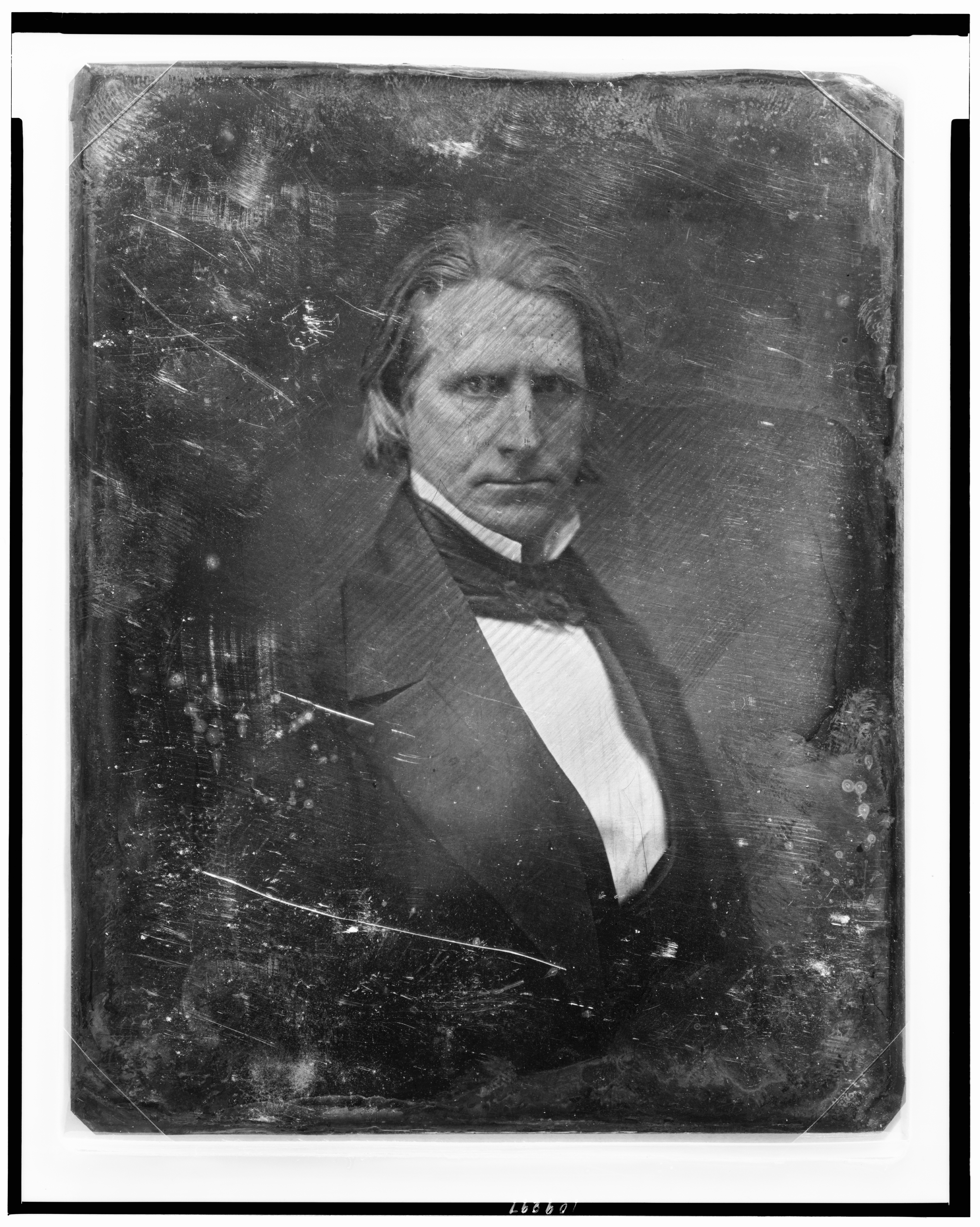
Historical · U.S. House · Ohio · District 4
William Allen
Former U.S. Representative · Ohio District 4 · 1859–1863 · Democratic
William Allen represented Ohio's District 4 in the United States House of Representatives (1859–1863) for the Democratic party. The page below collects sourced biographical facts, term history, committee roles, and provenance for Allen.
Bioguide ID: A000149
Key facts
- Full name
- William Allen
- State
- Ohio
- District
- District 4
- Party
- Democratic
- House service
- 1859–1863
- First House term
- 1859
- Status
- Left office
- Current term ends
- —
- Born
- 1827
- Bioguide ID
- A000149
- Committee assignments
- —
- Dataset version
- 1.20260606
Biographical narrative
847 words · sourced from the Wikipedia REST extract
William Allen was a U.S. Representative from Ohio, serving during a tumultuous period in American history marked by the early years of the Civil War. A member of the Democratic Party, he held office for two terms from 1859 to 1863, representing Ohio's 4th congressional district. His legislative career was characterized by his involvement in the Committee on Expenditures in the Department of the Interior during his second term. After his congressional service, Allen transitioned back to a legal career and later engaged in judicial and banking activities until his death in 1881.
Early life and career
William Allen was born on August 13, 1827, near Hamilton, Ohio. His early education took place in local public schools, where he laid the foundation for his future endeavors. After completing his schooling, Allen took on the role of a teacher, which provided him with valuable experience in education and public service. Following his time in education, he pursued a legal career, studying law and gaining admission to the bar in 1849. He began practicing law in Greenville, Ohio, the following year, marking the start of his professional journey in the legal field.
In addition to his private practice, Allen served as the prosecuting attorney for Darke County from 1850 until 1854. This role allowed him to gain significant experience in the legal system and to establish a reputation within the community. His work as a prosecutor likely contributed to his understanding of legal and governmental processes, which would later inform his legislative activities.
House tenure
William Allen's political career began in earnest when he was elected as a Democrat to the Thirty-sixth Congress, which convened on March 4, 1859. He was re-elected for the Thirty-seventh Congress, serving until March 3, 1863. During his time in Congress, Allen was involved in various legislative matters, particularly as chairman of the Committee on Expenditures in the Department of the Interior during his second term. This committee was responsible for overseeing the financial operations of the Department of the Interior, which included managing expenditures related to public lands, natural resources, and various federal programs.
Allen's congressional service occurred during a critical period in American history, as the nation was on the brink of the Civil War. His role as a legislator during this time would have required navigating complex political landscapes and addressing the pressing issues of the day, including debates over slavery, states' rights, and national unity. However, specific details regarding his voting record or positions on particular issues during his tenure are not documented in the available records.
In 1862, Allen chose not to seek renomination for a third term in Congress. This decision marked the end of his legislative career, allowing him to return to his legal practice. His departure from Congress coincided with a period of significant change in the United States, as the Civil War intensified and the political climate shifted dramatically.
Legislative focus and committees
During his time in the U.S. House of Representatives, William Allen's legislative focus was primarily centered around his role as chairman of the Committee on Expenditures in the Department of the Interior. This position placed him at the intersection of fiscal oversight and administrative accountability, as he was responsible for examining the financial practices of the department. The committee's work was crucial during a time when the federal government was expanding its role in managing public lands and resources, particularly in the context of the ongoing Civil War.
While specific legislative initiatives or bills associated with Allen's tenure are not detailed in the available records, his leadership within the committee suggests that he was engaged in discussions about government spending and resource allocation. The period in which he served was marked by significant federal expenditures related to the war effort, which would have influenced the committee's priorities and activities.
After concluding his congressional service, Allen's career trajectory shifted as he returned to the practice of law. His decision to step away from politics may have been influenced by the changing political landscape following the Civil War. In 1865, he became affiliated with the Republican Party, reflecting a broader realignment of political allegiances during this transformative period in American history.
In addition to his legal work, Allen was appointed as a judge of the Court of Common Pleas of the second judicial district in 1865. This judicial role allowed him to continue contributing to the legal system and public service in Ohio. However, his health began to decline, leading him to decline the Republican nomination for election to the Forty-sixth Congress in 1878.
Throughout his later years, Allen maintained an interest in banking, indicating a continued engagement with financial matters and economic development. He remained active in his community until his death on July 6, 1881, in Greenville, Ohio. His contributions to both the legal and political spheres of Ohio are remembered as part of the state's rich history during a pivotal era in the United States. William Allen was laid to rest in Greenville Cemetery, marking the end of a life dedicated to public service and the legal profession.
Notable legislation
Sponsored and co-sponsored legislation for William Allen is pending operator curation. The biographical narrative above carries the same provenance trail until per-bill rows are written.
Sources
- [1]https://en.wikipedia.org/wiki/William_Allen_(congressman)Wikipedia · retrieved 2026-06-06
Notable quotes
Sourced quotes for William Allen are pending operator curation. Narrative-scope provenance remains attached below.
Sources
- [1]https://en.wikipedia.org/wiki/William_Allen_(congressman)Wikipedia · retrieved 2026-06-06
Key positions
Curated policy positions for William Allen are pending operator review. The biographical narrative above carries the same provenance trail until per-topic positions are written.
Sources
- [1]https://en.wikipedia.org/wiki/William_Allen_(congressman)Wikipedia · retrieved 2026-06-06
Terms served
- 1859–1861U.S. House · Term 1 · Democratic
- 1861–1863U.S. House · Term 2 · Democratic
Sources & provenance
Every attributable claim above carries a per-section [N] marker that resolves to the corresponding URL below. Each entry records the upstream provider, the canonical URL, and the timestamp at which the source was retrieved by the ingest pipeline.
Key facts
- https://bioguide.congress.gov/search/bio/A000149bioguide · retrieved 2026-06-06
- https://www.govtrack.us/congress/members/400805govtrack · retrieved 2026-06-06
Biographical narrative
- https://en.wikipedia.org/wiki/William_Allen_(congressman)wikipedia · retrieved 2026-06-06
Find your representative
Every U.S. state elects representatives by district. Browse Ohio’s delegation, the full former-representative roster, or explore the role and term length.
Related on The Candidate
- Preceded by Matthias NicholsEarlier holder of the Ohio District 4 House seat · Republican.Open
- Succeeded by John McKinneyLater holder of the Ohio District 4 House seat · Democratic.Open
- Aaron PerryFormer U.S. Representative · Ohio District 1 · RepublicanOpen
- Alexander DuncanFormer U.S. Representative · Ohio District 1 · DemocraticOpen
- Bellamy StorerFormer U.S. Representative · Ohio District 1 · WhigOpen
- Bellamy StorerFormer U.S. Representative · Ohio District 1 · RepublicanOpen