
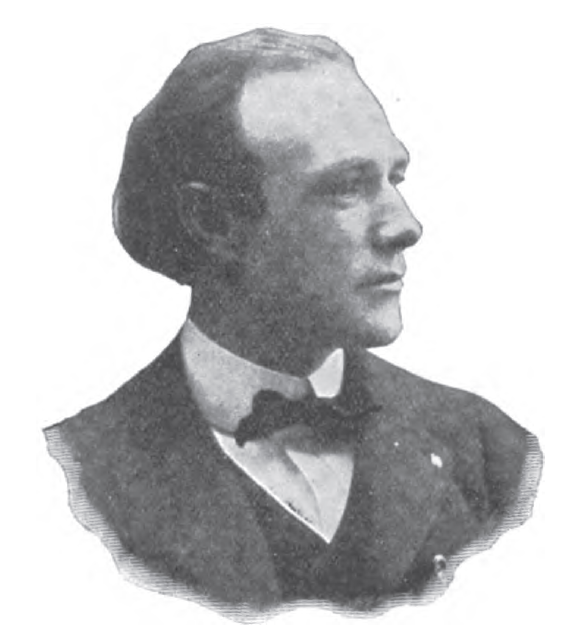
Historical · U.S. House · Ohio · District 5
John Snook
Former U.S. Representative · Ohio District 5 · 1901–1919 · Democratic
John Snook represented Ohio's District 5 in the United States House of Representatives (1901–1919) for the Democratic party. The page below collects sourced biographical facts, term history, committee roles, and provenance for Snook.
Bioguide ID: S000657
Key facts
- Full name
- John Snook
- State
- Ohio
- District
- District 5
- Party
- Democratic
- House service
- 1901–1919
- First House term
- 1901
- Status
- Left office
- Current term ends
- —
- Born
- 1862
- Bioguide ID
- S000657
- Committee assignments
- —
- Dataset version
- 1.20260606
Biographical narrative
935 words · sourced from the Wikipedia REST extract
John Snook was an American lawyer and politician who served as a U.S. Representative from Ohio's 5th congressional district. A member of the Democratic Party, Snook's congressional career spanned two distinct periods, first from 1901 to 1905 and later from 1917 to 1919. His professional life also included roles as a jurist and a delegate to national political conventions, reflecting his active engagement in both legal and political spheres throughout his life.
Early life and career
John Stout Snook was born on December 18, 1862, near Antwerp, Ohio. Growing up in a rural community, he received his early education in the local grade schools, completing his studies in 1881. Following his primary education, Snook pursued higher education at Ohio Wesleyan University, located in Delaware, Ohio. His academic journey culminated in his graduation from the Cincinnati Law School in May 1887. This legal education equipped him with the knowledge and skills necessary to embark on a career in law.
After graduating from law school, Snook was admitted to the bar in the same year, marking the beginning of his legal practice. He initially set up his law practice in Antwerp, where he began to establish himself in the legal community. In 1890, he relocated to Paulding, Ohio, where he continued his legal career. His move to Paulding allowed him to expand his professional network and engage more deeply with the local community. Snook's legal practice would serve as a foundation for his later political career, as he gained valuable experience and recognition in his field.
In addition to his legal work, Snook was involved in local governance and community affairs, which likely contributed to his growing interest in politics. His legal background and community involvement positioned him well for a transition into public service, setting the stage for his future electoral success.
House tenure
John Snook's political career in the U.S. House of Representatives began when he was elected as a Democrat to the Fifty-seventh and Fifty-eighth Congresses, serving from March 4, 1901, to March 3, 1905. His election to Congress marked a significant milestone in his career, as he transitioned from a local lawyer to a national legislator. During his first term, he engaged with various legislative issues and contributed to the discussions and decisions that shaped national policy.
After serving two full terms, Snook chose not to seek renomination in 1904, opting instead to return to his legal practice in Paulding. This decision reflects a common pattern among politicians who, after serving in public office, often return to their professional careers. Snook's time away from Congress did not diminish his involvement in politics, as he remained active in the Democratic Party and participated in significant party events.
In 1912 and 1932, Snook served as a delegate to the Democratic National Conventions, where he contributed to the party's platform and candidate selection processes. His participation in these conventions underscored his ongoing commitment to the Democratic Party and his influence within it. In addition to his role as a delegate, Snook also served as a judge of the court of common pleas from 1913 to 1915, further demonstrating his legal expertise and public service commitment.
Snook's return to Congress came in 1917 when he was elected to the Sixty-fifth Congress, serving from March 4, 1917, to March 3, 1919. His re-election to the House of Representatives during this period was significant, as it coincided with a time of considerable national change, including the United States' involvement in World War I. Snook's legislative work during this term would have been influenced by the pressing issues of the day, including military mobilization and domestic policies to support the war effort.
However, Snook was not re-elected in 1918, marking the end of his congressional career. His time in the House was characterized by his engagement with the legislative process and his contributions to the Democratic Party's objectives during a transformative period in American history.
Legislative focus and committees
During his time in Congress, John Snook was involved in various legislative matters, although specific details regarding his committee assignments or particular bills he supported are not documented in the available references. His legislative focus likely aligned with the broader Democratic Party agenda of the time, which included issues such as labor rights, economic reform, and social welfare, especially in the context of the early 20th century.
The early 1900s were marked by significant social and economic changes in the United States, including the rise of industrialization and urbanization. As a representative from Ohio, a state that was experiencing these transformations, Snook's legislative priorities may have reflected the needs and concerns of his constituents, particularly those related to labor and economic development.
After his congressional tenure, Snook returned to practicing law, where he continued to apply his legal expertise. He resumed his role as a judge of the court of common pleas from 1930 to 1938, further contributing to the judicial system in Ohio. This position allowed him to influence legal proceedings and uphold the law in his community, showcasing his commitment to public service even after his time in Congress.
John Snook passed away on September 19, 1952, in Paulding, Ohio. His contributions to the legal and political landscape of Ohio, along with his service in the U.S. House of Representatives, left a lasting legacy in the community he served. He was interred in Live Oak Cemetery, marking the end of a life dedicated to law and public service. Snook's career reflects the interconnectedness of legal practice and political service, illustrating how individuals can influence both their local communities and the national stage through their professional endeavors.
Notable legislation
Sponsored and co-sponsored legislation for John Snook is pending operator curation. The biographical narrative above carries the same provenance trail until per-bill rows are written.
Sources
- [1]https://en.wikipedia.org/wiki/John_S._SnookWikipedia · retrieved 2026-06-06
Notable quotes
Sourced quotes for John Snook are pending operator curation. Narrative-scope provenance remains attached below.
Sources
- [1]https://en.wikipedia.org/wiki/John_S._SnookWikipedia · retrieved 2026-06-06
Key positions
Curated policy positions for John Snook are pending operator review. The biographical narrative above carries the same provenance trail until per-topic positions are written.
Sources
- [1]https://en.wikipedia.org/wiki/John_S._SnookWikipedia · retrieved 2026-06-06
Terms served
- 1901–1903U.S. House · Term 1 · Democratic
- 1903–1905U.S. House · Term 2 · Democratic
- 1917–1919U.S. House · Term 3 · Democratic
Sources & provenance
Every attributable claim above carries a per-section [N] marker that resolves to the corresponding URL below. Each entry records the upstream provider, the canonical URL, and the timestamp at which the source was retrieved by the ingest pipeline.
Key facts
- https://bioguide.congress.gov/search/bio/S000657bioguide · retrieved 2026-06-06
- https://www.govtrack.us/congress/members/410131govtrack · retrieved 2026-06-06
Biographical narrative
- https://en.wikipedia.org/wiki/John_S._Snookwikipedia · retrieved 2026-06-06
Find your representative
Every U.S. state elects representatives by district. Browse Ohio’s delegation, the full former-representative roster, or explore the role and term length.
Related on The Candidate
- Preceded by David MeekisonEarlier holder of the Ohio District 5 House seat · Democratic.Open
- Succeeded by Charles ThompsonLater holder of the Ohio District 5 House seat · Republican.Open
- Aaron PerryFormer U.S. Representative · Ohio District 1 · RepublicanOpen
- Alexander DuncanFormer U.S. Representative · Ohio District 1 · DemocraticOpen
- Bellamy StorerFormer U.S. Representative · Ohio District 1 · WhigOpen
- Bellamy StorerFormer U.S. Representative · Ohio District 1 · RepublicanOpen