
Historical · U.S. House · Ohio · District 8
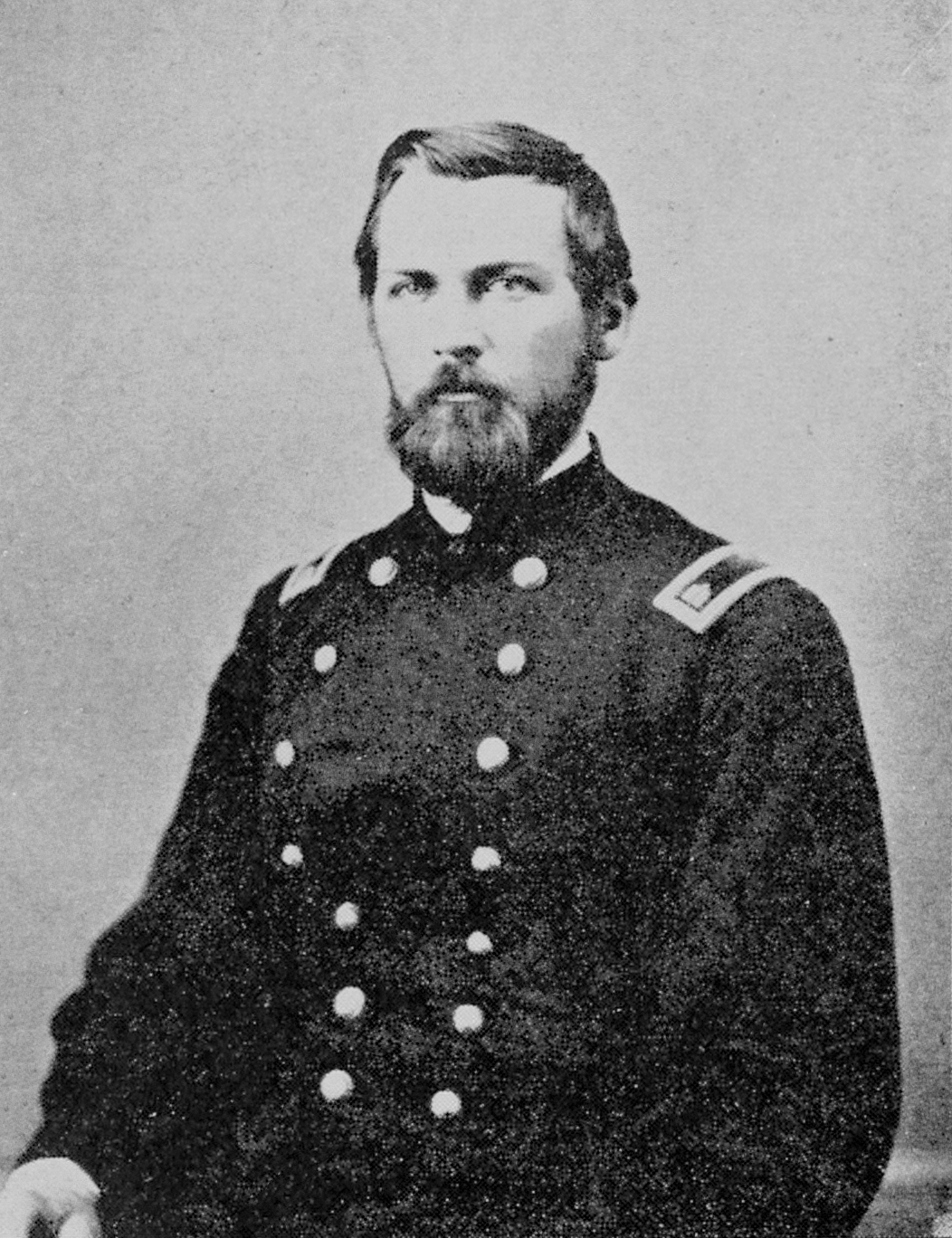
Luther Strong
Former U.S. Representative · Ohio District 8 · 1893–1897 · Republican
Luther Strong represented Ohio's District 8 in the United States House of Representatives (1893–1897) for the Republican party. The page below collects sourced biographical facts, term history, committee roles, and provenance for Strong.
Bioguide ID: S001014
Key facts
- Full name
- Luther Strong
- State
- Ohio
- District
- District 8
- Party
- Republican
- House service
- 1893–1897
- First House term
- 1893
- Status
- Left office
- Current term ends
- —
- Born
- 1838
- Bioguide ID
- S001014
- Committee assignments
- —
- Dataset version
- 1.20260606
Biographical narrative
913 words · sourced from the Wikipedia REST extract
Luther Strong was an American lawyer, jurist, and politician who served as a U.S. Representative from Ohio. A member of the Republican Party, Strong held office in the House of Representatives from 1893 to 1897, representing Ohio's 8th congressional district. His career spanned various roles, including military service during the Civil War, educational contributions, and judicial responsibilities, before culminating in his legislative work at the national level. Strong's life reflects a commitment to public service and civic engagement, as well as the historical context of his time.
Early life and career
Luther Martin Strong was born on June 23, 1838, near Tiffin, Ohio. His early education took place in common schools, which were the primary educational institutions available to children in rural areas during that period. He furthered his education at Aaron Schuyler's Academy in Republic, Ohio, which provided a more advanced curriculum and prepared students for higher education or professional careers. Following his academic pursuits, Strong took on the role of a teacher, contributing to the education of young people in his community.
In 1861, as the nation became embroiled in the Civil War, Strong enlisted in the Forty-ninth Regiment of the Ohio Volunteer Infantry. His military service lasted until March 13, 1865, during which he participated in various campaigns and battles that were pivotal to the Union's efforts. The experiences he gained during the war likely shaped his views on leadership, governance, and public service.
After the war, Strong pursued a legal career. He studied law diligently and was admitted to the bar by the Supreme Court of Ohio on January 30, 1867. Following his admission, he relocated to Kenton, Ohio, where he began practicing law. His legal career was marked by a commitment to justice and community service. In addition to his legal work, Strong was involved in local governance, serving as a member of the board of education, which underscored his dedication to educational issues and the welfare of his community.
Strong's political career began to take shape when he was elected to the Ohio State Senate in 1879 and again in 1881. His tenure in the state legislature allowed him to gain valuable experience in governance and policy-making. In 1883, he was appointed by Governor Foster to serve as a judge of the court of common pleas, filling an unexpired term. This judicial role further established his reputation as a public servant committed to upholding the law and ensuring justice within the community.
House tenure
Luther Strong's congressional career began when he was elected as a Republican to the Fifty-third Congress, which convened on March 4, 1893. He served in this capacity until March 3, 1897, completing two full terms in the House of Representatives. During his time in Congress, Strong represented Ohio's 8th congressional district, a region that was experiencing significant economic and social changes during the late 19th century.
As a member of the House, Strong participated in the legislative process, contributing to discussions and decisions that shaped national policy. His tenure coincided with a period marked by various issues, including economic reform, labor rights, and the expansion of infrastructure. While specific details regarding the legislation he supported or opposed are not available, it is understood that representatives of his era were often engaged in debates surrounding the economic interests of their constituents, particularly in an industrializing nation.
In 1896, Strong sought renomination for the Fifty-fifth Congress but was unsuccessful in his bid. This marked the end of his congressional career, as he did not return to the House after his second term. The reasons for his defeat in the renomination process are not detailed, but such outcomes were not uncommon in the competitive political landscape of the time.
Legislative focus and committees
During his time in the House of Representatives, Luther Strong's legislative focus likely reflected the interests and needs of his constituents in Ohio's 8th district. The late 19th century was a transformative period in American history, characterized by rapid industrialization, urbanization, and significant social change. As a representative from Ohio, a state that was central to these developments, Strong would have been involved in discussions related to economic growth, labor issues, and infrastructure improvements.
While specific committee assignments or legislative initiatives led by Strong are not documented, it is common for members of Congress to serve on committees that align with their interests and the needs of their districts. These committees play a crucial role in shaping legislation, conducting oversight, and addressing various policy areas. Strong's background in law and his experience in state governance would have provided him with valuable insights into the legislative process and the complexities of federal policy-making.
After concluding his congressional service, Strong returned to Kenton, where he engaged in agricultural pursuits. This transition reflects a common path for many former politicians who sought to remain connected to their communities and contribute to local economies. Strong's involvement in agriculture may have also been influenced by the agricultural interests prevalent in Ohio during that period.
Luther Strong passed away on April 26, 1903, in Kenton, Ohio. His contributions to public service, both as a military veteran and as a politician, left a lasting impact on his community and the state of Ohio. He was interred in Grove Cemetery, where he rests alongside other notable figures from the region. Strong's life and career exemplify the dedication to public service that characterized many individuals of his time, reflecting the values and challenges of a nation undergoing significant transformation.
Notable legislation
Sponsored and co-sponsored legislation for Luther Strong is pending operator curation. The biographical narrative above carries the same provenance trail until per-bill rows are written.
Sources
- [1]https://en.wikipedia.org/wiki/Luther_M._StrongWikipedia · retrieved 2026-06-06
Notable quotes
Sourced quotes for Luther Strong are pending operator curation. Narrative-scope provenance remains attached below.
Sources
- [1]https://en.wikipedia.org/wiki/Luther_M._StrongWikipedia · retrieved 2026-06-06
Key positions
Curated policy positions for Luther Strong are pending operator review. The biographical narrative above carries the same provenance trail until per-topic positions are written.
Sources
- [1]https://en.wikipedia.org/wiki/Luther_M._StrongWikipedia · retrieved 2026-06-06
Terms served
- 1893–1895U.S. House · Term 1 · Republican
- 1895–1897U.S. House · Term 2 · Republican
Sources & provenance
Every attributable claim above carries a per-section [N] marker that resolves to the corresponding URL below. Each entry records the upstream provider, the canonical URL, and the timestamp at which the source was retrieved by the ingest pipeline.
Key facts
- https://bioguide.congress.gov/search/bio/S001014bioguide · retrieved 2026-06-06
- https://www.govtrack.us/congress/members/410471govtrack · retrieved 2026-06-06
Biographical narrative
- https://en.wikipedia.org/wiki/Luther_M._Strongwikipedia · retrieved 2026-06-06
Find your representative
Every U.S. state elects representatives by district. Browse Ohio’s delegation, the full former-representative roster, or explore the role and term length.
Related on The Candidate
- Preceded by Robert KennedyEarlier holder of the Ohio District 8 House seat · Republican.Open
- Succeeded by Archibald LybrandLater holder of the Ohio District 8 House seat · Republican.Open
- Aaron PerryFormer U.S. Representative · Ohio District 1 · RepublicanOpen
- Alexander DuncanFormer U.S. Representative · Ohio District 1 · DemocraticOpen
- Bellamy StorerFormer U.S. Representative · Ohio District 1 · WhigOpen
- Bellamy StorerFormer U.S. Representative · Ohio District 1 · RepublicanOpen