
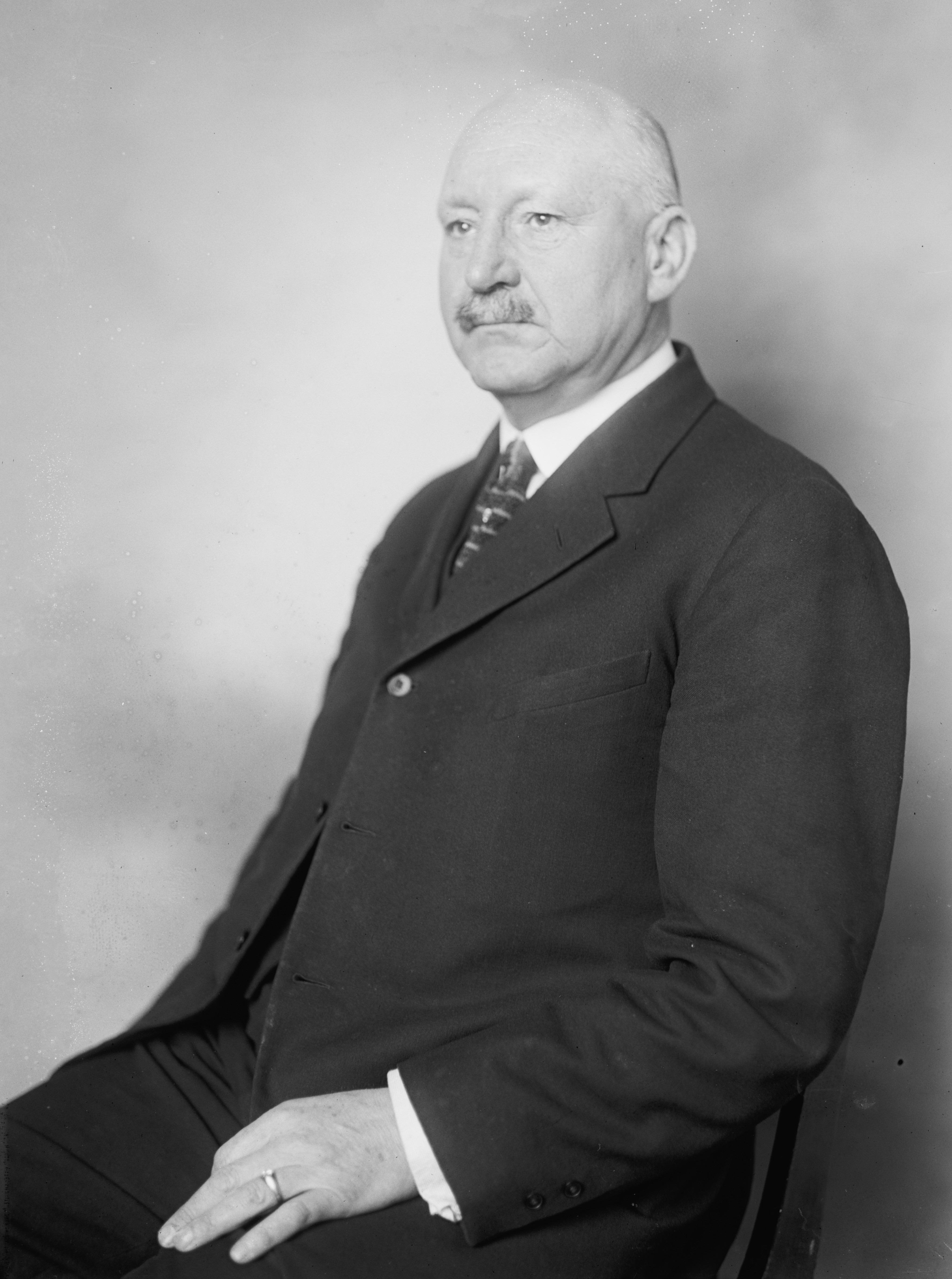
Historical · U.S. House · Ohio · At-Large
Ambrose Stephens
Former U.S. Representative · Ohio At-Large · 1919–1929 · Republican
Ambrose Stephens represented Ohio's At-Large in the United States House of Representatives (1919–1929) for the Republican party. The page below collects sourced biographical facts, term history, committee roles, and provenance for Stephens.
Bioguide ID: S000855
Key facts
- Full name
- Ambrose Stephens
- State
- Ohio
- District
- At-Large
- Party
- Republican
- House service
- 1919–1929
- First House term
- 1919
- Status
- Left office
- Current term ends
- —
- Born
- 1862
- Bioguide ID
- S000855
- Committee assignments
- —
- Dataset version
- 1.20260606
Biographical narrative
950 words · sourced from the Wikipedia REST extract
Ambrose Everett Burnside Stephens was an American politician who served as a U.S. Representative from Ohio. A member of the Republican Party, he held office for a total of five terms in the House of Representatives from 1919 until his passing in 1927. His tenure in Congress was marked by a commitment to his constituents in Ohio, and he was involved in various legislative activities during a transformative period in American history.
Early life and career
Ambrose Stephens was born on June 3, 1862, in Crosby Township, Ohio. Growing up in a rural area, he received his early education in public schools, which laid the foundation for his future academic and professional pursuits. To further his education, he attended Chickering's Institute in Cincinnati, an institution known for its focus on preparing students for professional careers. Following his studies, Stephens turned his attention to the field of law, a decision that would shape his career and public service.
In 1902, after completing his legal studies, Stephens was admitted to the bar, allowing him to practice law in Cincinnati. His legal career provided him with valuable experience and insight into the workings of the judicial system, which would later inform his legislative work. In addition to his legal practice, Stephens was actively involved in military service. He served as a captain in the Ohio National Guard from 1901 to 1903, demonstrating his commitment to public service and community engagement. His leadership skills were further recognized when he was promoted to the rank of colonel, a position he held in 1910 and 1911.
Stephens's public service extended beyond the military; he also served as the clerk of the Hamilton County Courts from 1911 to 1917. This role allowed him to gain a deeper understanding of the legal and administrative processes within the judicial system, enhancing his qualifications for a future career in politics. His experiences in both the legal and military arenas contributed to his reputation as a dedicated public servant, ultimately paving the way for his entry into the political arena.
House tenure
Ambrose Stephens's political career began in earnest when he was elected to the U.S. House of Representatives as a member of the Republican Party. He was first elected to the Sixty-sixth Congress, which convened on March 4, 1919. His election marked the beginning of a significant chapter in his life, as he would go on to serve four consecutive terms in the House. Throughout his time in Congress, he was re-elected to the subsequent three Congresses, demonstrating his ability to connect with voters and address their concerns effectively.
During his tenure, Stephens represented Ohio's at-large congressional district, which encompassed the entire state. This position allowed him to advocate for a wide range of issues affecting his constituents. His service in Congress coincided with a period of considerable change in the United States, including the aftermath of World War I and the onset of the Roaring Twenties. These events had a profound impact on American society, and Stephens was part of the legislative body that navigated these challenges.
Stephens's congressional career was characterized by his commitment to his constituents and his active participation in the legislative process. He was involved in various discussions and debates on key issues of the day, contributing to the shaping of national policy. His ability to serve multiple terms in office indicated a level of trust and support from the electorate, which he maintained throughout his career until his death in office on February 12, 1927.
Legislative focus and committees
While specific details regarding the legislation that Ambrose Stephens supported or the committees on which he served are not extensively documented, it is clear that his time in Congress was marked by engagement with the pressing issues of his era. As a member of the Republican Party during a time of significant economic and social change, he likely participated in discussions surrounding economic policies, veterans' affairs, and the rights of citizens in the post-war context.
The legislative environment during Stephens's tenure was dynamic, with the United States transitioning from the war economy of World War I to a period of relative prosperity in the 1920s. This transition brought about various challenges, including labor disputes, economic regulation, and the growing influence of industrialization. As a representative from Ohio, a state with a diverse economy, Stephens would have been particularly attuned to the needs of both urban and rural constituents, advocating for policies that would benefit a wide array of interests.
Additionally, Stephens's background in law and his experience as a clerk in the Hamilton County Courts likely informed his approach to legislative matters. His legal expertise would have been valuable in understanding the implications of proposed legislation and in navigating the complexities of the legislative process. While specific committee assignments are not detailed, it is common for representatives to serve on committees that align with their interests and expertise, allowing them to influence legislation in areas such as judiciary matters, commerce, and public welfare.
In summary, Ambrose Stephens's career as a U.S. Representative was marked by a commitment to public service and a dedication to addressing the needs of his constituents in Ohio. His early life experiences, military service, and legal background contributed to his effectiveness as a legislator. Serving in Congress during a transformative period in American history, he played a role in shaping the policies that would impact his state and the nation. His legacy is remembered through his contributions to the legislative process and his service to the people of Ohio. Following his death, he was interred in Maple Grove Cemetery in Cleves, Ohio, marking the end of a significant chapter in his life dedicated to public service and governance.
Notable legislation
Sponsored and co-sponsored legislation for Ambrose Stephens is pending operator curation. The biographical narrative above carries the same provenance trail until per-bill rows are written.
Sources
- [1]https://en.wikipedia.org/wiki/Ambrose_E._B._StephensWikipedia · retrieved 2026-06-06
Notable quotes
Sourced quotes for Ambrose Stephens are pending operator curation. Narrative-scope provenance remains attached below.
Sources
- [1]https://en.wikipedia.org/wiki/Ambrose_E._B._StephensWikipedia · retrieved 2026-06-06
Key positions
Curated policy positions for Ambrose Stephens are pending operator review. The biographical narrative above carries the same provenance trail until per-topic positions are written.
Sources
- [1]https://en.wikipedia.org/wiki/Ambrose_E._B._StephensWikipedia · retrieved 2026-06-06
Terms served
- 1919–1921U.S. House · Term 1 · Republican
- 1921–1923U.S. House · Term 2 · Republican
- 1923–1925U.S. House · Term 3 · Republican
- 1925–1927U.S. House · Term 4 · Republican
- 1927–1929U.S. House · Term 5 · Republican
Sources & provenance
Every attributable claim above carries a per-section [N] marker that resolves to the corresponding URL below. Each entry records the upstream provider, the canonical URL, and the timestamp at which the source was retrieved by the ingest pipeline.
Key facts
- https://bioguide.congress.gov/search/bio/S000855bioguide · retrieved 2026-06-06
- https://www.govtrack.us/congress/members/410318govtrack · retrieved 2026-06-06
Biographical narrative
- https://en.wikipedia.org/wiki/Ambrose_E._B._Stephenswikipedia · retrieved 2026-06-06
Find your representative
Every U.S. state elects representatives by district. Browse Ohio’s delegation, the full former-representative roster, or explore the role and term length.
Related on The Candidate
- Preceded by William WilsonEarlier holder of the Ohio At-Large House seat.Open
- Succeeded by Charles TruaxLater holder of the Ohio At-Large House seat · Democratic.Open
- Aaron PerryFormer U.S. Representative · Ohio District 1 · RepublicanOpen
- Alexander DuncanFormer U.S. Representative · Ohio District 1 · DemocraticOpen
- Bellamy StorerFormer U.S. Representative · Ohio District 1 · WhigOpen
- Bellamy StorerFormer U.S. Representative · Ohio District 1 · RepublicanOpen