
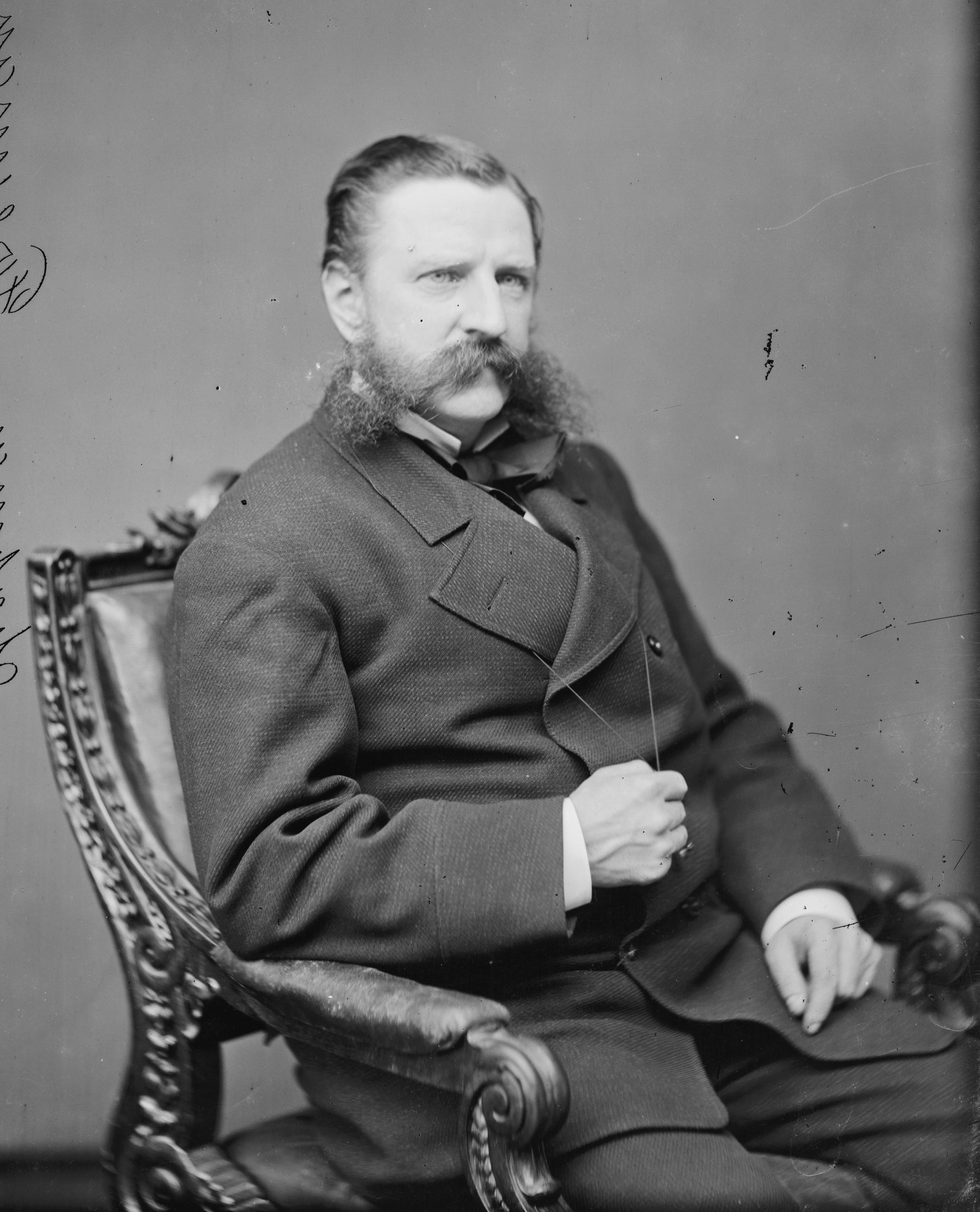
Historical · U.S. House · Pennsylvania · District 1
Chapman Freeman
Former U.S. Representative · Pennsylvania District 1 · 1875–1879 · Republican
Chapman Freeman represented Pennsylvania's District 1 in the United States House of Representatives (1875–1879) for the Republican party. The page below collects sourced biographical facts, term history, committee roles, and provenance for Freeman.
Bioguide ID: F000361
Key facts
- Full name
- Chapman Freeman
- State
- Pennsylvania
- District
- District 1
- Party
- Republican
- House service
- 1875–1879
- First House term
- 1875
- Status
- Left office
- Current term ends
- —
- Born
- 1832
- Bioguide ID
- F000361
- Committee assignments
- —
- Dataset version
- 1.20260606
Biographical narrative
898 words · sourced from the Wikipedia REST extract
Chapman Freeman was a prominent figure in American politics during the late 19th century, serving as a Republican member of the U.S. House of Representatives from Pennsylvania. His political career spanned two terms in Congress, where he represented the 1st congressional district. Freeman's life was marked by a blend of education, military service, and legal practice, culminating in his election to Congress in the mid-1870s. He was born on October 8, 1832, in Philadelphia, Pennsylvania, and his contributions to the political landscape of his time reflected the values and challenges of the era.
Early life and career
Chapman Freeman was born in Philadelphia, a city that played a significant role in the early history of the United States. He attended Central High School, where he distinguished himself as a notable student. Graduating in 1851, Freeman's academic achievements were recognized during a graduation ceremony held at the Musical Fund Hall, where he delivered a speech that highlighted his oratorical skills and commitment to education. Following his graduation, Freeman pursued a career in law, although he initially engaged in mercantile activities, which provided him with practical experience in business and commerce.
In 1863, during the American Civil War, Freeman joined the United States Navy as an acting assistant paymaster. This role allowed him to serve his country while gaining valuable insights into military operations and financial management. However, his service was cut short in 1864 due to health issues, prompting him to resign from the Navy. After returning to civilian life, he resumed his legal studies and was admitted to the bar in 1867. His legal career began to take shape as he established himself in the legal community.
Freeman's professional trajectory took a notable turn in 1873 when he was appointed as one of the commissioners for the Centennial Exposition in Vienna, Austria. This international exhibition showcased advancements in industry, culture, and technology, and Freeman's role involved representing the city of Philadelphia. His participation in such a significant event underscored his commitment to promoting American interests abroad and highlighted his growing prominence in public life.
House tenure
Chapman Freeman's political career gained momentum when he was elected to the U.S. House of Representatives in 1874 as a member of the Republican Party. He represented Pennsylvania's 1st congressional district, a position that allowed him to influence national legislation and advocate for the interests of his constituents. His election to the 44th Congress marked the beginning of his formal legislative career, during which he served two consecutive terms.
During his time in Congress, Freeman was involved in various legislative activities, although specific details about the bills he sponsored or supported are not extensively documented. His tenure in the House coincided with a period of significant political and social change in the United States, as the nation was grappling with the aftermath of the Civil War and the challenges of Reconstruction. The political landscape was characterized by debates over civil rights, economic development, and the role of the federal government in addressing social issues.
Freeman's service in Congress concluded in 1879 when he chose not to seek renomination for a third term. This decision marked the end of his official legislative career, but it did not diminish his influence or involvement in public affairs. His time in the House of Representatives contributed to the broader narrative of Republican politics during a transformative era in American history.
Legislative focus and committees
While specific details regarding Chapman Freeman's legislative focus and committee assignments during his time in the House of Representatives are not extensively documented, it is important to contextualize his service within the broader political climate of the 1870s. The Republican Party, to which Freeman belonged, was the dominant political force during this period, advocating for policies that promoted economic growth, industrialization, and civil rights for newly freed African Americans.
Freeman's background in law and his experience in mercantile pursuits likely informed his perspectives on economic and legal issues. As a member of Congress, he would have engaged with a range of topics pertinent to his constituents and the nation, including matters related to commerce, infrastructure, and social policy. The 44th Congress, in which he served, was marked by significant legislative initiatives aimed at addressing the challenges of the post-war era, including efforts to rebuild the South and integrate formerly enslaved individuals into society.
Freeman's decision to decline renomination in 1878 suggests a strategic choice to step back from the political arena at a time when the Republican Party was navigating complex dynamics within the country. His departure from Congress did not signify a withdrawal from public life, as he remained an active participant in civic affairs and continued to contribute to the community in various capacities.
In summary, Chapman Freeman's life and career reflect the complexities of American politics in the late 19th century. His educational background, military service, and legal expertise positioned him as a significant figure in Pennsylvania's political landscape. Serving two terms in the U.S. House of Representatives, Freeman contributed to the legislative process during a time of profound change in the nation. His legacy is intertwined with the broader narrative of the Republican Party's evolution and the challenges faced by the United States in the aftermath of the Civil War. Freeman passed away on March 22, 1904, leaving behind a record of public service that continues to be recognized in the annals of American history.
Notable legislation
Sponsored and co-sponsored legislation for Chapman Freeman is pending operator curation. The biographical narrative above carries the same provenance trail until per-bill rows are written.
Sources
- [1]https://en.wikipedia.org/wiki/Chapman_FreemanWikipedia · retrieved 2026-06-06
Notable quotes
Sourced quotes for Chapman Freeman are pending operator curation. Narrative-scope provenance remains attached below.
Sources
- [1]https://en.wikipedia.org/wiki/Chapman_FreemanWikipedia · retrieved 2026-06-06
Key positions
Curated policy positions for Chapman Freeman are pending operator review. The biographical narrative above carries the same provenance trail until per-topic positions are written.
Sources
- [1]https://en.wikipedia.org/wiki/Chapman_FreemanWikipedia · retrieved 2026-06-06
Terms served
- 1875–1877U.S. House · Term 1 · Republican
- 1877–1879U.S. House · Term 2 · Republican
Sources & provenance
Every attributable claim above carries a per-section [N] marker that resolves to the corresponding URL below. Each entry records the upstream provider, the canonical URL, and the timestamp at which the source was retrieved by the ingest pipeline.
Key facts
- https://bioguide.congress.gov/search/bio/F000361bioguide · retrieved 2026-06-06
- https://www.govtrack.us/congress/members/404308govtrack · retrieved 2026-06-06
Biographical narrative
- https://en.wikipedia.org/wiki/Chapman_Freemanwikipedia · retrieved 2026-06-06
Find your representative
Every U.S. state elects representatives by district. Browse Pennsylvania’s delegation, the full former-representative roster, or explore the role and term length.
Related on The Candidate
- Preceded by William LehmanEarlier holder of the Pennsylvania District 1 House seat · Democratic.Open
- Succeeded by Henry BinghamLater holder of the Pennsylvania District 1 House seat · Republican.Open
- Adam SeybertFormer U.S. Representative · Pennsylvania District 1 · RepublicanOpen
- Benjamin SayFormer U.S. Representative · Pennsylvania District 1 · RepublicanOpen
- Harry RansleyFormer U.S. Representative · Pennsylvania District 1 · RepublicanOpen
- Republican PartyFederal candidates and office holders on the Republican line.Open