
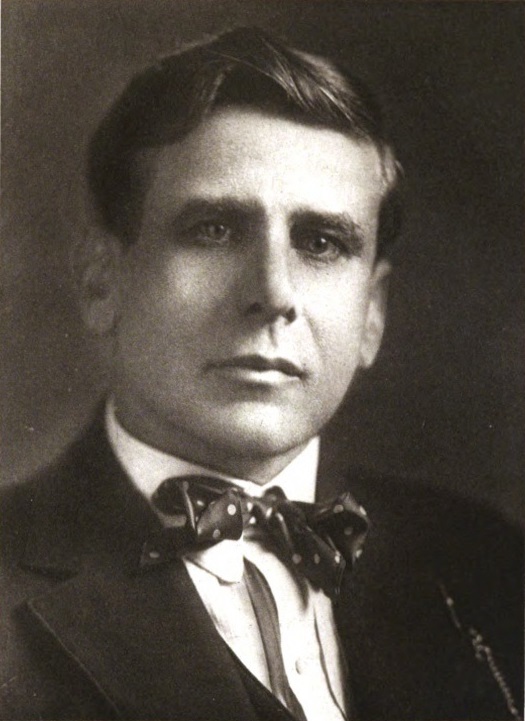
Historical · U.S. House · Pennsylvania · District 13
George Brumm
Former U.S. Representative · Pennsylvania District 13 · 1923–1935 · Republican
George Brumm represented Pennsylvania's District 13 in the United States House of Representatives (1923–1935) for the Republican party. The page below collects sourced biographical facts, term history, committee roles, and provenance for Brumm.
Bioguide ID: B000978
Key facts
- Full name
- George Brumm
- State
- Pennsylvania
- District
- District 13
- Party
- Republican
- House service
- 1923–1935
- First House term
- 1923
- Status
- Left office
- Current term ends
- —
- Born
- 1880
- Bioguide ID
- B000978
- Committee assignments
- —
- Dataset version
- 1.20260606
Biographical narrative
887 words · sourced from the Wikipedia REST extract
George Brumm was a Republican politician who served as a U.S. Representative for Pennsylvania's 13th congressional district. His congressional career spanned over a decade, during which he was involved in various legislative activities and held key positions within the House of Representatives. Brumm's tenure in Congress was marked by his commitment to his constituents and his participation in significant congressional committees.
Early life and career
George Brumm was born on January 24, 1880, in Minersville, Pennsylvania. He came from a political family; his father, Charles N. Brumm, was also a Congressman, which likely influenced George's eventual foray into politics. He pursued higher education at the University of Pennsylvania, where he graduated in 1901. Following his undergraduate studies, he continued his education at the University of Pennsylvania Law School, earning his law degree in 1907. This academic background laid the foundation for his future career in law and politics.
Before entering Congress, Brumm gained practical experience in public service and military affairs. In 1916, he served in an engineer unit of the Pennsylvania National Guard along the Mexican border, a period that contributed to his understanding of military and national defense issues. His involvement in public service continued during World War I, when he was appointed as the election commissioner for Texas in 1918. In this role, he was responsible for overseeing the voting process for servicemen stationed at various cantonments. Additionally, he served as an attorney for the conscription board, further demonstrating his commitment to supporting military personnel during a critical time in American history.
Despite his early political aspirations, Brumm faced challenges in his initial attempts to secure a congressional seat. He ran unsuccessfully for the Republican nomination to Congress in both 1918 and 1920. However, his persistence paid off when he was elected to the U.S. House of Representatives in 1922, marking the beginning of his congressional career.
House tenure
Brumm's tenure in the U.S. House of Representatives began with his election to the Sixty-eighth Congress, where he served from 1923 onward. Throughout his time in office, he was elected to a total of five congressional terms. His legislative service included a notable role as chairman of the United States House Committee on Expenditures in the Department of the Navy during the Sixty-ninth Congress. This position allowed him to influence budgetary matters and oversight related to naval expenditures, reflecting his engagement with military and defense issues.
Brumm's congressional career was characterized by a commitment to his constituents in Pennsylvania's 13th district. He worked on various issues that were relevant to his district and the nation. His legislative focus was shaped by the political and economic context of the time, including the challenges posed by the Great Depression in the latter part of his tenure.
Despite his efforts and contributions, Brumm faced electoral challenges. He was not renominated in 1926, which temporarily interrupted his congressional career. However, he returned to the House by winning election to the Seventy-first Congress and subsequently served in two more Congresses. His ability to regain a seat in Congress after a setback illustrates his resilience and continued support from his constituents.
Brumm's final term in office ended on January 3, 1935. His career in the House was marked by a dedication to public service and a focus on issues pertinent to his district and the broader national landscape.
Legislative focus and committees
During his time in Congress, George Brumm was involved in various legislative activities and served on important committees that shaped policy and governance. His role as chairman of the House Committee on Expenditures in the Department of the Navy was particularly significant. In this capacity, he was responsible for overseeing the financial aspects of naval operations and ensuring accountability in the expenditure of federal funds allocated to the Navy. This position allowed him to engage directly with issues related to military funding and oversight, which were critical during a period of growing international tensions.
Brumm's legislative focus extended beyond military matters. He participated in discussions and debates on a range of issues that affected his constituents and the nation. His work in Congress coincided with significant events in American history, including the economic challenges of the 1920s and early 1930s. As a member of the Republican Party, he aligned with the party's platform and priorities, which included a focus on fiscal responsibility and limited government intervention in the economy.
Throughout his congressional career, Brumm demonstrated a commitment to representing the interests of his constituents in Pennsylvania. His legislative efforts were informed by the needs and concerns of the people he served, and he sought to address issues that were relevant to their lives. While specific details of his legislative initiatives are not documented, his involvement in key committees and his role in Congress suggest that he was an active participant in shaping policy during a transformative period in American history.
Brumm's life came to an end while he was still in office, as he passed away on May 29, 1934, in Philadelphia, Pennsylvania. His contributions to the U.S. House of Representatives and his service to his constituents are remembered as part of his legacy. He was laid to rest in Charles Baber Cemetery in Pottsville, Pennsylvania, marking the end of a political career that spanned over a decade and included significant involvement in the legislative process.
Notable legislation
Sponsored and co-sponsored legislation for George Brumm is pending operator curation. The biographical narrative above carries the same provenance trail until per-bill rows are written.
Sources
- [1]https://en.wikipedia.org/wiki/George_F._BrummWikipedia · retrieved 2026-06-06
Notable quotes
Sourced quotes for George Brumm are pending operator curation. Narrative-scope provenance remains attached below.
Sources
- [1]https://en.wikipedia.org/wiki/George_F._BrummWikipedia · retrieved 2026-06-06
Key positions
Curated policy positions for George Brumm are pending operator review. The biographical narrative above carries the same provenance trail until per-topic positions are written.
Sources
- [1]https://en.wikipedia.org/wiki/George_F._BrummWikipedia · retrieved 2026-06-06
Terms served
- 1923–1925U.S. House · Term 1 · Republican
- 1925–1927U.S. House · Term 2 · Republican
- 1929–1931U.S. House · Term 3 · Republican
- 1931–1933U.S. House · Term 4 · Republican
- 1933–1935U.S. House · Term 5 · Republican
Sources & provenance
Every attributable claim above carries a per-section [N] marker that resolves to the corresponding URL below. Each entry records the upstream provider, the canonical URL, and the timestamp at which the source was retrieved by the ingest pipeline.
Key facts
- https://bioguide.congress.gov/search/bio/B000978bioguide · retrieved 2026-06-06
- https://www.govtrack.us/congress/members/401930govtrack · retrieved 2026-06-06
Biographical narrative
- https://en.wikipedia.org/wiki/George_F._Brummwikipedia · retrieved 2026-06-06
Find your representative
Every U.S. state elects representatives by district. Browse Pennsylvania’s delegation, the full former-representative roster, or explore the role and term length.
Related on The Candidate
- Preceded by Fred GernerdEarlier holder of the Pennsylvania District 13 House seat · Republican.Open
- Succeeded by James GildeaLater holder of the Pennsylvania District 13 House seat · Democratic.Open
- Adam SeybertFormer U.S. Representative · Pennsylvania District 1 · RepublicanOpen
- Benjamin SayFormer U.S. Representative · Pennsylvania District 1 · RepublicanOpen
- Chapman FreemanFormer U.S. Representative · Pennsylvania District 1 · RepublicanOpen
- Harry RansleyFormer U.S. Representative · Pennsylvania District 1 · RepublicanOpen