
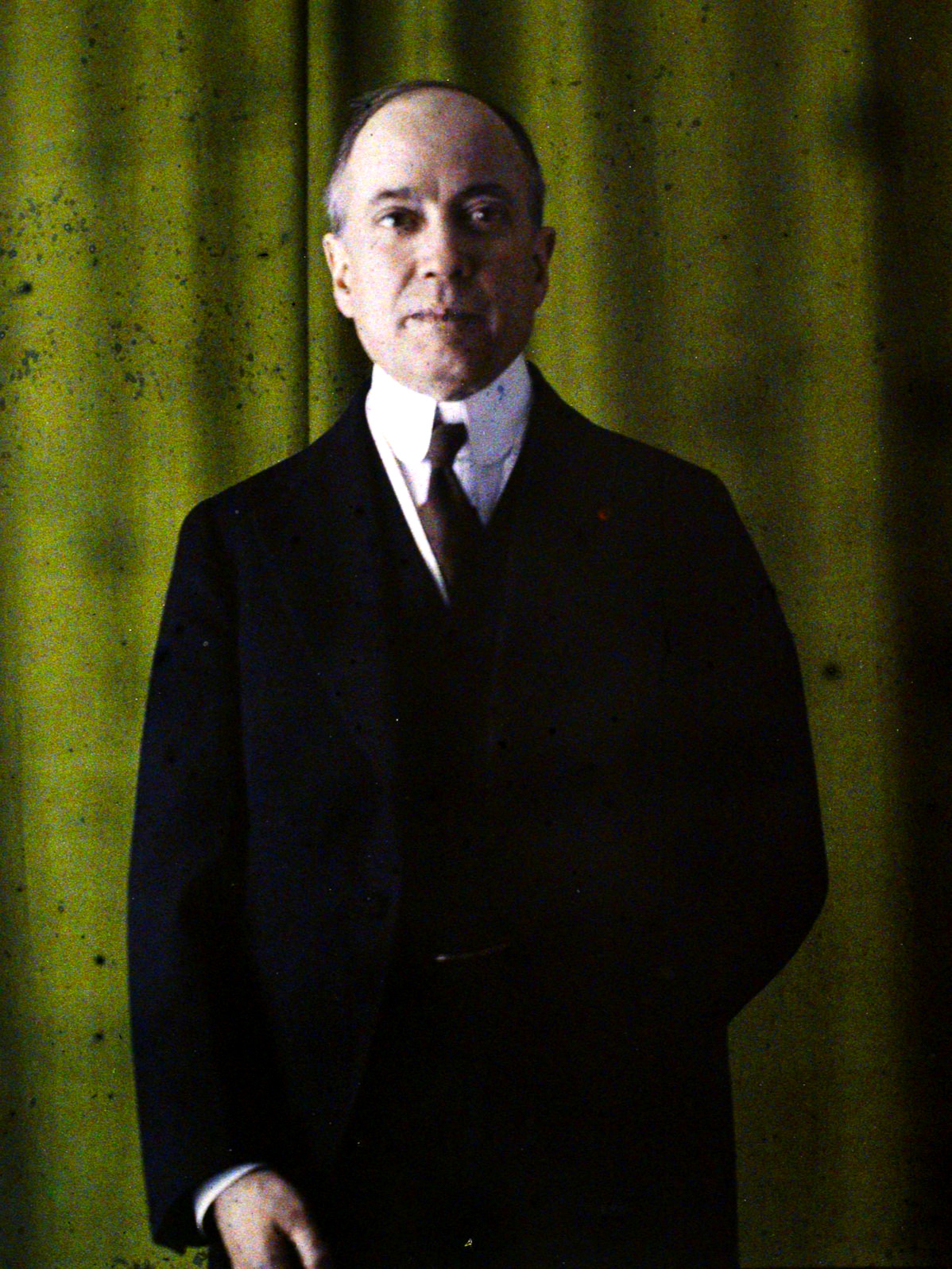
Historical · U.S. House · Pennsylvania · District 2
James Beck
Former U.S. Representative · Pennsylvania District 2 · 1927–1935 · Republican
James Beck represented Pennsylvania's District 2 in the United States House of Representatives (1927–1935) for the Republican party. The page below collects sourced biographical facts, term history, committee roles, and provenance for Beck.
Bioguide ID: B000290
Key facts
- Full name
- James Beck
- State
- Pennsylvania
- District
- District 2
- Party
- Republican
- House service
- 1927–1935
- First House term
- 1927
- Status
- Left office
- Current term ends
- —
- Born
- 1861
- Bioguide ID
- B000290
- Committee assignments
- —
- Dataset version
- 1.20260606
Biographical narrative
967 words · sourced from the Wikipedia REST extract
James Beck was an American lawyer, politician, and author who served as a U.S. Representative for Pennsylvania's 2nd congressional district from 1927 until 1934. A member of the Republican Party, Beck was known for his legal career, which included serving as U.S. Solicitor General, and for his involvement in significant legal and political issues of his time. His tenure in Congress was marked by his opposition to the New Deal and his advocacy for the repeal of Prohibition.
Early life and career
James Montgomery Beck was born on July 9, 1861, in Philadelphia, Pennsylvania. He was the son of Margaretta C. Darling and James Nathan Beck. Beck's educational journey began at Moravian College in Bethlehem, Pennsylvania, where he graduated in 1880. Following his graduation, he took a position as a clerk for a railway company while simultaneously studying law at night. He was admitted to the Pennsylvania bar in 1884, marking the beginning of his legal career in Philadelphia. Beck later expanded his legal credentials by gaining admission to the bar in New York City in 1903 and in England in 1922.
Beck's early career included serving as an assistant United States Attorney for the Eastern District of Pennsylvania from 1888 to 1892. He then held the position of United States Attorney for Philadelphia from 1896 to 1900. In 1898, he ran for the office of District Attorney of Philadelphia but was unsuccessful in his bid. In a significant political shift, Beck transitioned from being a Pro-Cleveland Democrat to a Republican in 1900. That same year, he was appointed by President William McKinley as Assistant Attorney General of the United States, a role he held until his resignation in 1903. After leaving this position, he returned to private practice, joining the prestigious law firm Shearman & Sterling in New York City.
During World War I, Beck became an outspoken critic of the German Empire, utilizing his writing and public speaking to advocate for the Allied cause. His contributions during this period included numerous articles and books, such as "The Evidence in the Case" (1914) and "War and Humanity" (1916). In 1914, he was elected a bencher of Gray's Inn, becoming the first foreigner to receive this honor in six centuries. He also received decorations from France and Belgium for his contributions during the war. In 1926, he was elected to the American Philosophical Society, further solidifying his reputation in intellectual circles.
House tenure
Beck's political career took a significant turn when he was elected to the U.S. House of Representatives in 1927. He filled the vacancy left by the resignation of James M. Hazlett and was subsequently reelected for three additional terms, serving until his resignation in 1934. His time in Congress was characterized by his active involvement in various legislative matters, particularly those concerning the repeal of the Eighteenth Amendment, which established Prohibition. Beck was a vocal advocate for the repeal, arguing that it had no place in the Constitution.
During his tenure, he faced challenges regarding his official residence and eligibility to represent Philadelphia, which he successfully navigated. Beck's opposition to President Franklin D. Roosevelt's New Deal policies became a defining aspect of his congressional career. He expressed strong objections to what he viewed as Congress's transformation into a "rubber stamp" for the Executive branch. This discontent ultimately led to his resignation from Congress on September 30, 1934.
Following his resignation, Beck remained engaged in legal matters, particularly those related to the New Deal. He became involved in a lawsuit against the Tennessee Valley Authority, arguing that the organization was unconstitutional and socialistic. His legal expertise was evident in his arguments presented before the Supreme Court in December 1935.
Legislative focus and committees
Throughout his time in the House of Representatives, Beck's legislative focus included issues related to constitutional law, civil liberties, and the implications of federal policies on state rights. His legal background informed his approach to various legislative matters, and he often drew upon his extensive experience in the legal field to advocate for his positions.
Beck's involvement in the movement to repeal Prohibition was a significant aspect of his legislative agenda. He argued that the Eighteenth Amendment was detrimental to society and had failed to achieve its intended goals. His advocacy for repeal aligned with a broader national sentiment that was gaining traction during the early 1930s.
In addition to his focus on Prohibition, Beck's opposition to the New Deal reflected his conservative views on government intervention in the economy and individual liberties. His critiques of the New Deal were rooted in his belief that it undermined the principles of the Constitution and the rights of states. Beck's legal arguments against the New Deal initiatives showcased his commitment to constitutional interpretation and his belief in limited government.
Beck's tenure in Congress was marked by his active participation in debates and discussions surrounding these critical issues. His legal acumen and experience as a former Solicitor General provided him with a unique perspective on the intersection of law and policy. Beck's contributions to legislative discussions were informed by his extensive background in both law and politics, allowing him to navigate complex legal questions effectively.
In summary, James Beck's career as a U.S. Representative was characterized by his legal expertise, commitment to constitutional principles, and active engagement in significant legislative issues of his time. His opposition to Prohibition and the New Deal, along with his advocacy for civil liberties and state rights, defined his legislative focus and contributions during his four terms in the House of Representatives. Beck's legacy is marked by his involvement in key legal battles and his dedication to the principles he believed were essential to American governance. He passed away on April 12, 1936, in Washington, D.C., leaving behind a complex legacy as a lawyer, politician, and author.
Notable legislation
Sponsored and co-sponsored legislation for James Beck is pending operator curation. The biographical narrative above carries the same provenance trail until per-bill rows are written.
Sources
- [1]https://en.wikipedia.org/wiki/James_M._BeckWikipedia · retrieved 2026-06-06
Notable quotes
Sourced quotes for James Beck are pending operator curation. Narrative-scope provenance remains attached below.
Sources
- [1]https://en.wikipedia.org/wiki/James_M._BeckWikipedia · retrieved 2026-06-06
Key positions
Curated policy positions for James Beck are pending operator review. The biographical narrative above carries the same provenance trail until per-topic positions are written.
Sources
- [1]https://en.wikipedia.org/wiki/James_M._BeckWikipedia · retrieved 2026-06-06
Terms served
- 1927–1929U.S. House · Term 1 · Republican
- 1929–1931U.S. House · Term 2 · Republican
- 1931–1933U.S. House · Term 3 · Republican
- 1933–1935U.S. House · Term 4 · Republican
Sources & provenance
Every attributable claim above carries a per-section [N] marker that resolves to the corresponding URL below. Each entry records the upstream provider, the canonical URL, and the timestamp at which the source was retrieved by the ingest pipeline.
Key facts
- https://bioguide.congress.gov/search/bio/B000290bioguide · retrieved 2026-06-06
- https://www.govtrack.us/congress/members/401283govtrack · retrieved 2026-06-06
Biographical narrative
- https://en.wikipedia.org/wiki/James_M._Beckwikipedia · retrieved 2026-06-06
Find your representative
Every U.S. state elects representatives by district. Browse Pennsylvania’s delegation, the full former-representative roster, or explore the role and term length.
Related on The Candidate
- Preceded by William ReyburnEarlier holder of the Pennsylvania District 2 House seat · Republican.Open
- Succeeded by William WilsonLater holder of the Pennsylvania District 2 House seat · Republican.Open
- Adam SeybertFormer U.S. Representative · Pennsylvania District 1 · RepublicanOpen
- Benjamin SayFormer U.S. Representative · Pennsylvania District 1 · RepublicanOpen
- Chapman FreemanFormer U.S. Representative · Pennsylvania District 1 · RepublicanOpen
- Harry RansleyFormer U.S. Representative · Pennsylvania District 1 · RepublicanOpen